 Semiahmoo Siding
 Why Bellingham Roofs Wear Differently Than Roofs Inland
A roof in Bellingham or the broader Semiahmoo area doesn't fail the same way a roof does thirty miles inland. The combination of salt-laden air off the water, long stretches of driving rain, and a moss season that can run from early fall through late spring puts a specific kind of stress on roofing materials, fasteners, and ventilation systems. Homes here don't just get "more rain" — they get rain that comes in sideways during a windstorm, sits in shaded valleys for days at a time, and never fully dries out before the next system rolls in.
That matters when you're planning a roof replacement. A roofing system that performs fine in a dry climate can underperform here within a few years if it wasn't installed with Whatcom County conditions in mind. Fastener corrosion, moss undermining shingle granules, and moisture finding its way through poorly sealed penetrations are the most common reasons we get called out to homes with roofs that are barely a decade old.
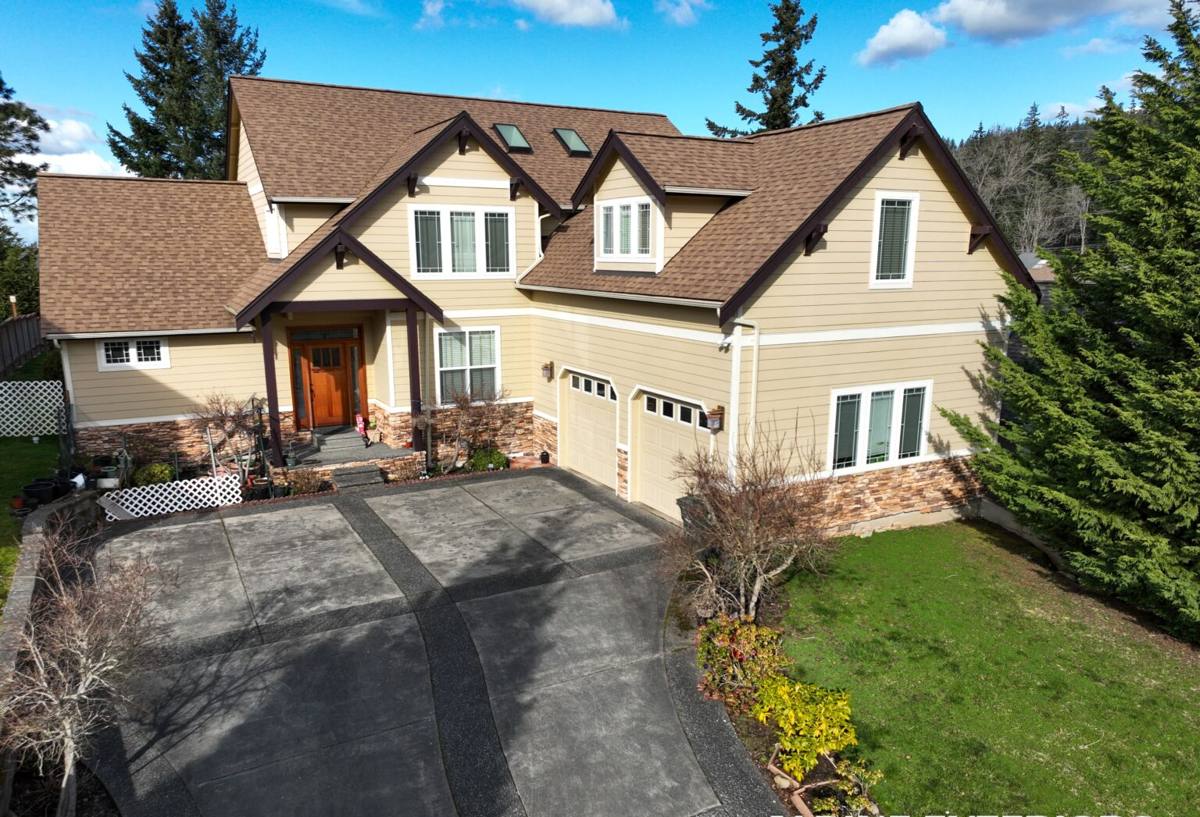
What a Correct Roof Installation Actually Involves
A new roof is more than laying down shingles. The parts homeowners can't see from the ground — the deck, the underlayment, the flashing, and the ventilation — are what determine whether a roof lasts fifteen years or thirty-five.
Tear-Off and Deck Inspection
We remove the old roofing material down to the deck rather than layering over it. Layering hides problems and adds weight the structure wasn't necessarily designed to carry. Once the deck is exposed, we check for soft spots, delamination, or water staining — common in older Bellingham homes where a slow leak went unnoticed for a season or two. Any damaged sheathing gets replaced before anything new goes down.
Underlayment and Water Barrier
This is where climate-specific decisions matter most. In a region with this much sustained rainfall, we treat the water-resistive layer under the shingles as a real second line of defense, not a formality. Self-adhered membrane at eaves, valleys, and around penetrations gives the roof a sealed barrier in the spots where wind-driven rain and ice damming are most likely to force water backward under the shingles.
Flashing Details
Flashing around chimneys, skylights, dormers, and sidewalls is one of the most common failure points on any roof, and it's almost always a workmanship issue rather than a material one. Correct step flashing, counter-flashing, and kick-out flashing at roof-to-wall transitions keep water from tracking behind siding — a detail that matters even more on homes close to the salt air, where corroded or poorly lapped flashing fails faster.
Ventilation
Balanced intake and exhaust ventilation keeps the attic space dry and temperature-stable. Without it, moisture from daily living gets trapped under the deck, which shortens the life of the roofing material from underneath — a slower, less obvious failure than a leak, but just as costly to fix later.
Roofing Materials for a Coastal Whatcom County Climate
There's no single "best" roofing material — the right choice depends on your home's style, your budget, and how much long-term maintenance you're willing to take on. Here's how the common options compare for a home dealing with salt air, driving rain, and heavy moss pressure.
| Material | Moisture & Moss Behavior | Maintenance | Typical Lifespan |
|---|---|---|---|
| Architectural asphalt shingle | Good when installed with proper ventilation; algae-resistant granules help slow staining | Periodic moss removal recommended | 25–30 years |
| Standing seam metal | Sheds water and moss growth well due to smooth, steep-shed surface | Low; occasional fastener/sealant check | 40–50+ years |
| Cedar shake | Attractive but holds moisture longer in shaded, damp conditions | Higher; requires regular treatment and moss control | 20–30 years with upkeep |
| Synthetic/composite shingle | Resists moisture absorption well; consistent performance in wet climates | Low to moderate | 30–50 years depending on product |
We don't push homeowners toward the most expensive option on this list. We'll walk through how your roof's pitch, shading from trees, and proximity to the water should factor into the decision, and we'll tell you honestly where a lower-cost material will hold up fine versus where it will cost you more in maintenance over time.
Moss and the Long Wet Season
Moss is more than a cosmetic issue on roofs in this part of Washington. Shaded, north-facing slopes and valleys that stay damp for extended periods give moss and algae a long runway to establish themselves, and once moss roots into shingle mat or works its way under shake, it holds moisture against the roofing material and lifts edges over time. On a new installation, we address this at the source rather than relying on treatments after the fact:
- Zinc or copper strips near the ridge on shingle roofs, which release trace metals that inhibit moss and algae growth as rain washes over them
- Proper slope-appropriate material selection on heavily shaded roof sections
- Attention to tree canopy and gutter placement during the estimate, since debris buildup is what gives moss its foothold
- Ventilation design that keeps the deck dry from underneath, not just the surface dry from above
None of this makes a roof moss-proof — nothing is, in this climate — but it meaningfully extends the time between maintenance cycles.
Our Installation Process
Every roof replacement we do follows the same sequence, whether it's a straightforward single-story home or a more complex roofline with multiple valleys and dormers:
- On-site inspection and honest assessment of whether a repair or full replacement makes sense
- Written estimate covering material options, scope, and timeline — no pressure to decide on the spot
- Permitting handled on our end where required
- Tear-off, deck inspection, and repair of any compromised sheathing
- Installation of water barrier, flashing, and the chosen roofing material to manufacturer specification
- Ventilation check and correction if the existing attic airflow is inadequate
- Full site cleanup, including magnetic sweep for nails and debris
- Final walkthrough so you can see the completed work before we consider the job done
Signs Your Bellingham Home May Need a New Roof
Not every roofing problem calls for a full replacement, but these are the signs that typically mean it's time for a real evaluation rather than another patch:
- Shingles that are cupping, curling, or missing granules in patches
- Heavy moss growth that returns quickly after cleaning
- Daylight visible through the attic decking or roof boards
- Water stains on interior ceilings, especially after a heavy rain event
- Sagging areas anywhere on the roofline
- A roof that's approaching or past the expected lifespan for its material
- Granules collecting in gutters in larger amounts than usual
- Flashing that's visibly rusted, lifted, or separated from the roof surface
What Drives Cost on a Bellingham Roof Replacement
Every roof is priced based on its own specifics, but a few factors consistently move the number up or down:
| Factor | Why It Matters |
|---|---|
| Roof size and pitch | Steeper roofs take longer and require more safety equipment and labor |
| Number of layers to remove | Multiple existing layers mean more tear-off time and disposal cost |
| Deck condition | Water damage found during tear-off adds material and labor for repair |
| Roof complexity | Valleys, dormers, skylights, and chimneys all add flashing detail and time |
| Material choice | Asphalt, metal, and composite options carry different upfront costs |
| Access and site conditions | Tree cover, tight lot lines, or steep driveways can affect logistics |
We give a written, itemized estimate before any work starts so you know exactly what you're paying for and why — not a vague lump-sum number.
Why Hire a Crew That Already Works in Bellingham
Roofing crews that work across Whatcom County regularly already understand which details actually matter here versus a generic installation checklist written for a drier region. That shows up in small decisions: how much ice-and-water membrane to use at eaves given how often this area sees driving rain, which roof slopes on a given lot will hold moss the longest, and how salt exposure near the water affects fastener and flashing material choice over time. It also means we're a known, reachable contractor if a warranty question or a storm-related concern comes up years down the line — not a crew that worked one job in the area and moved on.
Getting Started
If your roof is showing its age, dealing with persistent moss, or you're simply planning ahead before a small leak becomes a bigger problem, we're happy to take a look and give you a straight answer about what your home actually needs. Reach out for a free, no-pressure estimate using the form below — we'll walk the roof, explain what we find, and let you decide from there.