 Semiahmoo Siding
 What "Board and Batten" Actually Means
Board and batten is one of the oldest siding profiles in North America — wide vertical boards with narrow strips (battens) covering the seams between them. It started as a practical way to weatherproof barns and farmhouses with minimal material, and it's had a resurgence over the last decade as a defining look for modern farmhouse, craftsman, and contemporary exteriors alike. The vertical lines read as taller, cleaner, and more architectural than horizontal lap siding, which is part of why we get so many requests for it on new builds and full re-sides around Whatcom County.
The style is simple to describe but not simple to get right. The batten spacing, reveal width, board flatness, and how the assembly manages water behind it all determine whether a board and batten wall looks sharp in ten years or shows waviness, streaking, and rot at the seams. That's the part of this guide worth reading before you pick a material.
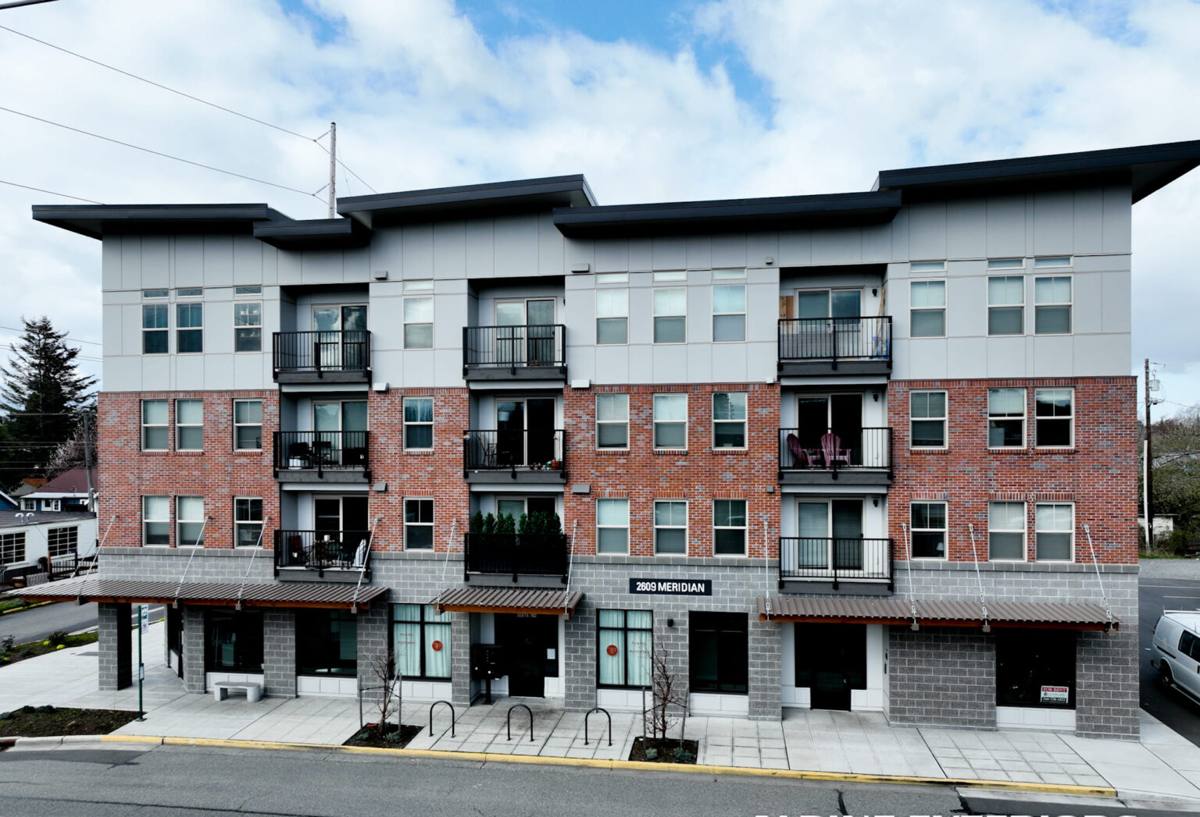
How Hardie Builds Board and Batten
James Hardie offers two main paths to a board and batten look, and the difference matters more than most homeowners realize.
HardiePanel Vertical Siding + Separate Battens
This is the traditional built-up approach: a flat fiber cement panel is installed first, then individual battens are fastened over the panel seams. It gives a contractor the most control over reveal width and batten spacing, and it's the method we use most often on custom gable accents, dormers, and full vertical elevations.
Artisan Board & Batten Collection
Hardie's Artisan line is a factory-engineered board and batten system — the boards and battens are manufactured with matched profiles and tighter tolerances than a job-built panel-and-batten assembly. It costs more per square foot, but it holds a straighter line over a large wall and is worth it on street-facing elevations where flatness is the whole point of the style.
Both options are non-combustible fiber cement, both can be ordered with Hardie's factory-applied ColorPlus finish, and both are engineered specifically for the Pacific Northwest's moisture load through Hardie's HZ5 product line — which matters more here than in drier climates.
Why Board and Batten Behaves Differently in Semiahmoo's Climate
Semiahmoo sits right on the water, and that changes what a vertical siding profile is up against compared to an inland installation. Salt air accelerates corrosion on fasteners, trim, and any exposed metal flashing. Driving rain off the Strait pushes water sideways into vertical seams instead of letting it run straight down like it would on a calm day. And Whatcom County's long, damp moss season means anything that stays wet for extended stretches — a north-facing wall, a shaded batten seam, a low horizontal trim board — becomes a moss and algae magnet if it can't dry out between storms.
Vertical board and batten actually has a mechanical advantage here over horizontal lap siding: there's no upward-facing horizontal ledge for water and debris to sit on along most of the wall. But the seams between boards, and the transitions at the top and bottom of each run, need real flashing detail and a drainage gap behind the material — not just caulk — or that advantage disappears fast in a marine climate like this one.
Color and Finish Options
Board and batten is a style that lives or dies on how flat and clean the finish reads from the street, which is why we push clients toward ColorPlus over field-painted primed panels whenever the budget allows.
- ColorPlus Technology — factory-baked, multi-coat finish applied before the panels ever leave the plant. More consistent color and better fade resistance than field paint, and it comes with its own finish warranty separate from the base product warranty.
- Primed for field paint — lower upfront cost, but you're relying on the applicator's prep and the paint brand's durability, and salt air chews through field-applied finishes faster than factory-cured ones.
- Statement and neutral palettes — board and batten's strong vertical lines read well in both directions: deep charcoal or navy tones for a modern statement wall, or warm off-whites and greiges for a classic farmhouse look. Battens are sometimes finished a shade darker or lighter than the field boards for subtle shadow-line contrast.
Board and Batten: Material Comparison
| Material | Typical Lifespan (PNW coastal) | Moisture Behavior | Maintenance |
|---|---|---|---|
| James Hardie fiber cement | 30+ years to warranty term | Engineered HZ5 formulation resists moisture-driven swelling; non-combustible | Occasional wash; ColorPlus rarely needs repainting |
| Cedar board and batten | 15-25 years with diligent upkeep | Absorbs moisture, prone to cupping and checking in constant damp | Refinish/reseal every 3-5 years; battens are prime rot points |
| Vinyl board and batten | 20-30 years | Won't rot, but panels can bow, warp in heat, or rattle loose in wind | Low, but color fades and can't be repainted easily |
| LP SmartSide board and batten | 20-30 years with intact finish | Engineered wood strand core — depends heavily on caulking and finish integrity at every cut edge | Field-applied finish needs monitoring at seams and edges |
We don't install cedar, vinyl, or LP SmartSide board and batten. That's a standard we set for our own crews, not a claim that those products can't perform when installed and maintained correctly elsewhere. Cedar needs real refinishing discipline in a climate this wet. Vinyl's seams and expansion joints show more on a bold vertical profile than they do on lap siding. LP SmartSide's long-term performance depends on every cut edge and seam staying sealed, indefinitely, in a marine environment — and that's a maintenance bet we'd rather not make on a client's behalf.
Installation Details That Determine Whether It Lasts
Board and batten fails at the details, not the material. On every job, regardless of which Hardie system we're using, the things that actually determine longevity are:
- Rainscreen gap — a drainage plane behind the panels so any water that gets past the surface can drain and the wall can dry, instead of trapping moisture against the sheathing.
- Batten fastening pattern — battens fastened through the panel into framing at the correct spacing, not just tacked to the panel face.
- Flashing at horizontal transitions — window heads, water tables, and any point where a horizontal element interrupts the vertical run need step or drip-cap flashing, not caulk alone.
- Clearance at grade — bottom of the siding kept off decks, patios, and soil per Hardie's published clearances, which matters even more with the splash-back common in coastal storms.
- Corner and trim treatment — factory trim or properly primed field trim at outside corners, where board and batten's clean lines are most visible and least forgiving of a sloppy joint.
A crew that's never installed fiber cement board and batten before can get the reveal spacing right and still miss the drainage plane — and that's the mistake that shows up as staining and soft spots years later, not on move-in day.
Mixing Board and Batten with Other Profiles
Very few homes we work on are all board and batten. It's most effective used deliberately:
- Gable ends and dormers in board and batten with HardiePlank lap siding on the main walls — a common way to add architectural interest without re-siding an entire elevation in a higher-cost system.
- A full board and batten front elevation with lap siding on the sides and rear, concentrating the style (and the budget) where it's seen from the street.
- Board and batten as a porch or entry accent against shake-profile or lap siding elsewhere on the home.
Mixing profiles also means mixing the flashing details at every transition, which is another reason this isn't a good DIY or low-bid project — the seams where two siding styles meet are where water problems start if they're rushed.
Maintenance and Long-Term Care
Correctly installed Hardie board and batten with a ColorPlus finish is genuinely low-maintenance, but "low" isn't "none." A simple annual routine keeps it performing:
- Rinse the exterior with a garden hose once or twice a year — more often on north-facing or shaded walls where moss and algae take hold first.
- Walk the perimeter after major windstorms and check batten fastening and caulked joints at trim and window transitions.
- Keep gutters clean and downspouts directed away from the wall — overflow is one of the most common causes of localized staining on any siding.
- Trim back vegetation and irrigation spray that keeps a section of wall damp longer than the rest of the house.
- Repaint field-applied finishes on schedule if you chose primed panels over ColorPlus; don't wait for visible chalking or cracking to start.
Cost Factors to Weigh
Board and batten generally costs more per square foot than standard lap siding, whether you're comparing built-up HardiePanel-and-batten or the Artisan system, because of the extra material and labor in the battens themselves. Artisan runs higher than a job-built panel-and-batten assembly for the tighter factory tolerances. The real cost variables worth discussing with your contractor are how much of the home gets the treatment (full elevation versus accent gables), whether you choose ColorPlus or field paint, and how much trim and flashing work the specific roofline and window layout require. We can walk through actual numbers for your home once we've seen the walls in person — broad national averages don't account for your framing, elevation count, or existing siding condition.
If you're weighing board and batten for a Semiahmoo remodel or new build, we're glad to walk the property, talk through where it makes sense architecturally, and put together a straightforward, no-pressure estimate.