 Semiahmoo Siding
 Exterior Contracting Built for Laurel's Coastal Conditions
Laurel sits close enough to the water that homes here deal with a different set of exterior pressures than houses further inland in Whatcom County. Salt-laden air off the bay, long stretches of driving rain through fall and winter, and a moss season that can run most of the year all add up to steady wear on siding, trim, roofing, and anything else exposed to the weather. If you own a home in Laurel, you've probably already noticed how quickly north-facing walls and shaded rooflines pick up green growth, or how paint and caulk seem to give out sooner than the manufacturer's timeline suggests.
We work on homes throughout this part of Semiahmoo and understand what the local climate actually does to a house over ten, twenty, and thirty years — not just what a brochure says a product should handle. That local knowledge shapes every recommendation we make, starting with the siding material itself.
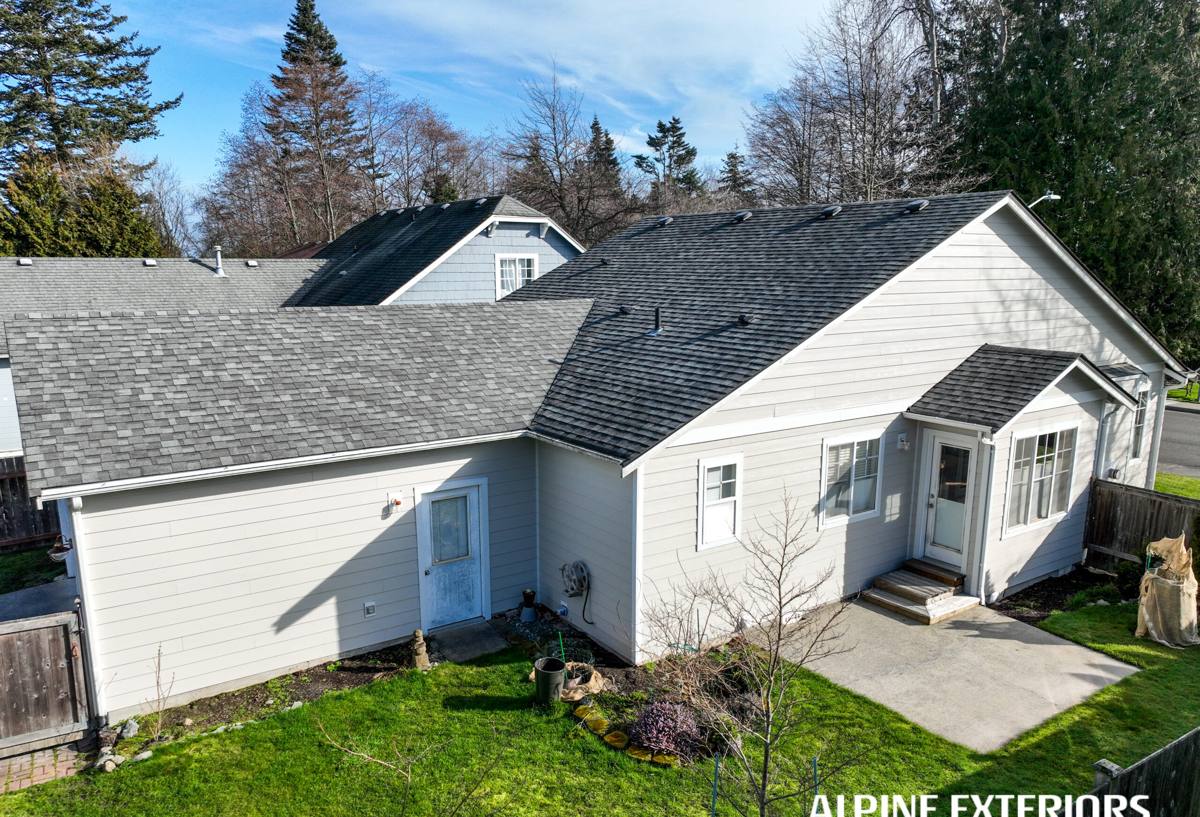
What Salt Air, Rain, and Moss Do to Siding Over Time
Salt Air and Corrosion
Proximity to saltwater means airborne salt settles on exterior surfaces, including siding, fasteners, and trim. Over years, that salt exposure accelerates corrosion on lower-quality fasteners and can degrade certain coatings faster than they'd wear in a drier, inland climate. It's a slow process, but it's constant, and it's one reason material choice and installation hardware matter more here than in many parts of the state.
Driving Rain and Moisture Intrusion
Whatcom County gets its share of wind-driven rain, and Laurel's exposure means water doesn't just fall straight down — it gets pushed sideways into seams, laps, and butt joints. Siding that isn't installed with the right flashing details, gapping, and caulking practices will eventually let moisture behind the cladding. Once water gets behind siding and can't dry out, it becomes a framing and sheathing problem, not just a cosmetic one.
Moss, Algae, and Prolonged Dampness
The long wet season here means many exterior surfaces stay damp for extended stretches, especially on shaded elevations and under tree cover. That's ideal for moss and algae growth, which holds moisture against the siding surface even longer and can accelerate deterioration on materials that aren't built to resist it. Homeowners in Laurel often deal with this on roofs and siding alike, and it's a maintenance reality worth planning for rather than fighting after the fact.
Why We Install Only James Hardie Fiber Cement Siding
We don't install vinyl, LP SmartSide, Cemplank, Allura, primed spruce, or cedar. That's a deliberate standard, not a limitation in what we're capable of installing. After years of working on homes in this exact climate, we've settled on James Hardie fiber cement as the only product we're willing to put our name behind.
- Non-combustible material — fiber cement doesn't feed a fire the way wood-based products can.
- Moisture-resistant composition — fiber cement doesn't swell, rot, or delaminate the way engineered wood siding can when it stays wet.
- ColorPlus factory finish — a baked-on finish that holds color and resists fading far longer than field-applied paint, which matters when you've got months of gray, damp weather every year.
- HZ5 and climate-engineered product lines — Hardie engineers specific formulations for different regional climates, including higher-moisture, coastal conditions like ours.
- Strong transferable warranty — meaningful coverage that also carries value if you sell the home.
None of that means other products are worthless — vinyl is cheap and low-maintenance in mild climates, cedar has real aesthetic appeal, and engineered wood has its fans. But for a coastal Whatcom County property taking on salt air, driving rain, and near-constant moss pressure, we've seen fiber cement hold up in ways the alternatives consistently don't. We'd rather turn down a job than install something we don't believe will last on a Laurel home.
Siding Installation: What Correct Installation Actually Involves
James Hardie siding performs the way it's designed to only when it's installed correctly. A lot of the failures people blame on "the product" actually trace back to installation shortcuts. Our process on every Laurel project includes:
- Inspecting and repairing the existing wall assembly — sheathing, house wrap, and framing — before any new siding goes up.
- Installing a proper water-resistive barrier and flashing at every window, door, and penetration.
- Maintaining correct clearances at the foundation, roofline, and any deck or porch attachment points so water has somewhere to go.
- Following Hardie's fastening, gapping, and caulking specifications exactly — not "close enough."
- Field-priming and painting only cut edges when needed, since ColorPlus panels arrive factory-finished.
Skipping any one of these steps is how good siding ends up with moisture problems five or ten years down the road. It's also why hiring a crew that's installed Hardie specifically in this climate — not just siding in general — actually matters.
Beyond Siding: Roofing, Windows, and Decks in Laurel
Siding rarely fails in isolation. A roof that's shedding water onto a wall, a window that's letting moisture behind the flashing, or a deck ledger board that's trapping water against the house can all undermine even well-installed siding. Because we handle roofing, windows, decks, and siding as one crew, we look at the whole exterior envelope rather than treating each component separately.
Roofing
Moss and algae growth on roofs is a near-constant issue in this part of Whatcom County. We assess roof condition as part of any siding project, since a roof shedding water improperly can undo the benefit of new siding within a few seasons.
Windows
Window flashing integration is one of the most common weak points we find during siding tear-offs. When we replace siding, we also check and correct window flashing details so the two systems work together instead of fighting each other.
Decks
Decks attached to the house create ledger connections that need careful flashing to keep water out of the wall assembly behind them — another spot where coordinated work across trades pays off.
Comparing Siding Options for a Laurel Home
| Material | Moisture Behavior | Maintenance | Fire Resistance | Typical Lifespan |
|---|---|---|---|---|
| James Hardie fiber cement | Highly resistant, engineered for wet climates | Low — factory finish holds up for years | Non-combustible | Multiple decades with correct install |
| Vinyl siding | Sheds water but can trap moisture behind panels if installed poorly | Low, but can fade and crack over time | Combustible, can warp near heat | Variable, often shorter in harsh coastal exposure |
| Engineered wood (e.g. LP SmartSide) | Vulnerable to swelling and edge damage if moisture gets in | Moderate — needs vigilant sealing and paint upkeep | Combustible | Depends heavily on installation and upkeep |
| Cedar | Absorbs moisture, prone to rot without diligent maintenance | High — regular staining/sealing required | Combustible | Shorter without consistent maintenance |
This isn't a knock on every alternative — it's a summary of the trade-offs we weigh when we tell homeowners why we've standardized on one material for this climate.
What to Expect When You Work With a Local Crew
A crew that works regularly in Semiahmoo and the surrounding Whatcom County communities already understands things an out-of-area contractor has to learn on your dime: which elevations take the worst weather, how moss reestablishes itself, and what flashing details actually hold up here versus on paper. That local experience shows up in fewer surprises during the project and fewer callbacks after it.
- We assess your home's specific exposure — sun, wind, shade, and moisture patterns — before recommending a scope of work.
- We explain why we're recommending James Hardie for your project, not just that we are.
- We coordinate siding work with any roofing, window, or deck needs we find along the way.
- We give straightforward answers about maintenance expectations for this climate, not a sales pitch.
Questions to Ask Before Hiring Anyone for Exterior Work
Whether you go with us or another contractor, a few questions separate a serious operation from a rushed one:
- Are they licensed and insured to work in Washington State?
- Do they install to the manufacturer's written specifications, including flashing and fastening details?
- Can they explain why they recommend one siding material over another for your specific home and exposure?
- Will they put the scope of work, materials, and warranty terms in writing?
- Do they have experience with coastal or high-moisture climates specifically, not just siding in general?
If you're weighing a siding, roofing, window, or deck project on your Laurel property, we're happy to walk the exterior with you and lay out honestly what we see and what we'd recommend. Reach out for a free, no-pressure estimate using the form below.