 Semiahmoo Siding
 Lynden Roofs Face a Different Kind of Wear
Lynden sits inland from Semiahmoo Bay and the Salish Sea, but the marine air that rolls off the water doesn't stop at the shoreline. It carries moisture-laden, salt-tinged air across Whatcom County's farmland and neighborhoods, and by the time it reaches Lynden it's still humid enough to keep roofs damp for days after a storm passes. Combine that with a long wet season, wind-driven rain that comes in sideways during fall and winter fronts, and shaded, north-facing roof slopes that rarely dry out, and you get conditions that are hard on any roofing system that wasn't installed with this specific climate in mind.
A new roof installed for Lynden needs to do more than look good and shed water on a calm day. It has to handle sustained rain events, resist moss colonization for years rather than months, and keep moisture out of the deck and attic even when wind is driving rain up under the shingle courses instead of straight down. That's a different design conversation than what you'd have in a dry climate, and it changes several of the decisions we make on every job.
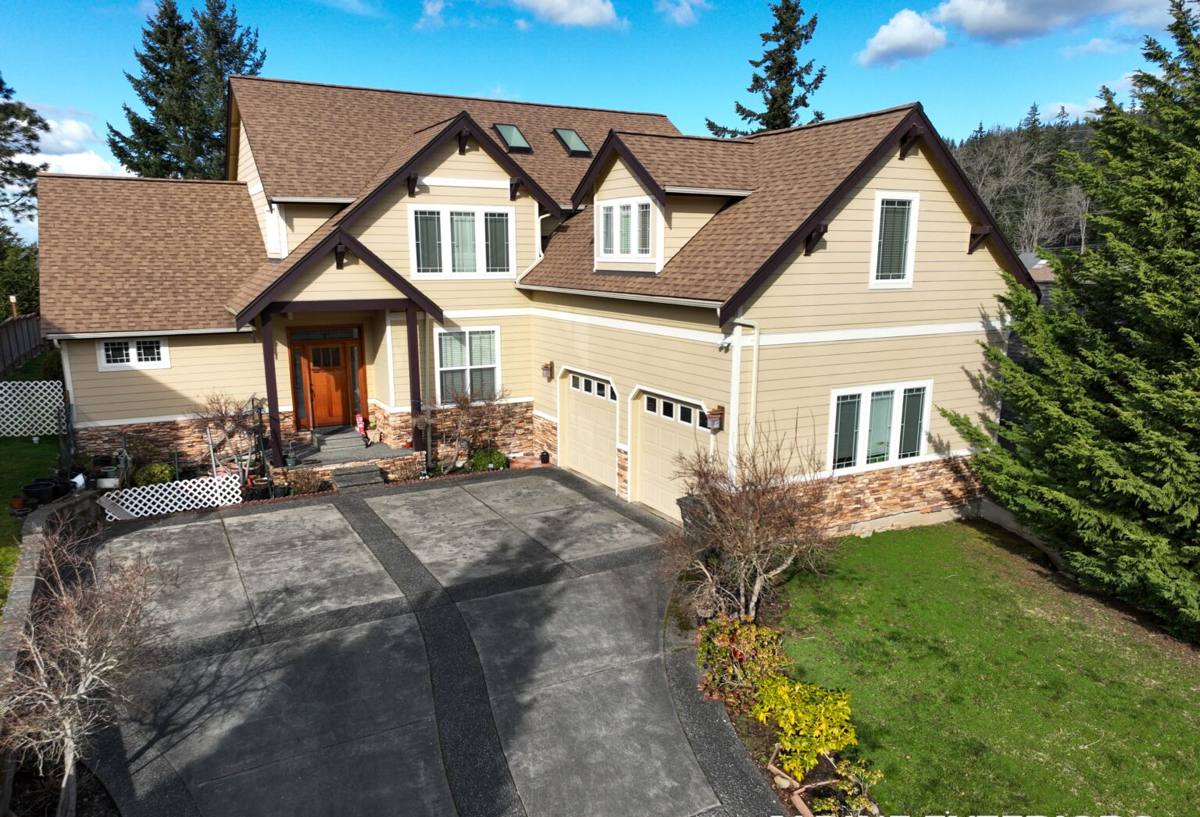
What a Correct New Roof Installation Actually Involves
A new roof is not just "shingles on plywood." Most of what determines whether a roof lasts 15 years or 30 happens in layers homeowners never see once the job is done.
Tear-Off and Deck Inspection
We remove the old roofing down to the deck rather than layering over it. That's the only way to actually see the sheathing — soft spots, delaminated plywood, and old water staining are common findings on Lynden homes where a roof has been quietly leaking for years without an obvious ceiling stain. Any compromised decking gets replaced before anything else goes down; installing new roofing over a wet or rotted deck just guarantees an early failure.
Underlayment Strategy for Driving Rain
In a climate where rain regularly comes in at an angle, underlayment choice and installation detail matter more than in most regions. We use synthetic underlayment as the primary water-resistive barrier and add self-adhered ice-and-water shield at the eaves, valleys, and any low-slope transitions — the spots where wind-driven water is most likely to work its way under the shingle edge.
Flashing Details Are Where Roofs Actually Fail
Chimneys, skylights, sidewalls, and roof-to-wall transitions are where the vast majority of real-world leaks start, not out in the open field of the roof. We install new step flashing, counterflashing, and valley metal rather than reusing old, bent, or rusted flashing — it's a small material cost against a real difference in how the roof performs during a hard rain.
Ventilation That Fights Moss and Trapped Moisture
A roof that can't breathe traps warm, moist attic air against the underside of the deck, which speeds up moss growth on the outside and encourages mold and rot on the inside. We balance intake ventilation at the eaves with exhaust at the ridge so air actually moves through the attic space instead of stagnating.
Choosing the Right Roofing Material for a Lynden Home
There isn't one "best" roofing material — there's a best fit for your budget, your roof's exposure to shade and moss, and how long you plan to own the home. Here's how the common options compare for this climate.
| Material | Typical Lifespan | Moss/Moisture Resistance | Upfront Cost |
|---|---|---|---|
| Architectural asphalt shingle | 25–30 years | Good with algae-resistant granules and proper ventilation | Lowest |
| Standing seam metal | 40–50+ years | Excellent — sheds moss growth medium and dries fast | Highest |
| Synthetic/composite shingle | 30–40 years | Very good, resists moisture absorption | Mid to high |
| Basic 3-tab asphalt shingle | 15–20 years | Fair — more prone to granule loss and moss in shaded areas | Low |
We install algae-resistant shingle lines as a standard practice on shaded or north-facing roofs, since standard granules give moss spores something to grip in this kind of persistent damp climate. For homeowners planning to stay long-term, metal roofing's higher upfront cost is often offset by decades of avoided replacements and lower maintenance.
Our New Roof Installation Process, Start to Finish
We keep the process straightforward and communicate what's happening at each stage, since a roof replacement is disruptive enough without surprises.
- On-site inspection and honest assessment of whether repair or full replacement makes sense
- Written estimate covering material options, scope, and timeline
- Permitting handled before work begins, per local requirements
- Property protection — landscaping, gutters, and siding covered before tear-off starts
- Full tear-off to the deck and inspection of sheathing
- Deck repair or replacement of any compromised sections
- Installation of underlayment, ice-and-water shield, and new flashing
- Roofing material installation per manufacturer specification
- Full site cleanup, including a magnetic sweep for stray nails
- Final walkthrough so you can see the finished work before we consider the job done
Built-In Moss and Moisture Defense
Given how long Lynden's moss season runs, we treat moss prevention as part of the installation rather than something to worry about later. That means algae-resistant shingle granules where budget allows, correct ridge and eave ventilation so the deck stays dry from underneath, and attention to any roof valleys or low-slope sections where debris and moisture tend to collect. Some homeowners also ask about zinc or copper strips near the ridge, which release trace metal ions that discourage moss growth on the courses below — it's a reasonable add-on for a shaded roof, though it works best alongside good ventilation rather than as a substitute for it.
None of this eliminates the need for basic upkeep. Even a well-built roof benefits from an annual gutter clearing and a look for any moss establishing in shaded corners before it spreads.
Signs a Lynden Roof Is Due for Replacement
Roofs rarely fail all at once — they show warning signs for months or years first. Worth checking for:
- Granules collecting in gutters or at downspout outlets
- Shingles that are curling, cupping, or visibly cracking
- Thick moss mats, especially on north-facing or shaded slopes
- Daylight visible through the roof deck from inside the attic
- Soft or spongy spots when walking the roof or checking from a ladder
- A roof approaching or past its material's expected lifespan
- Repeated repairs to the same section within a few years
- Unexplained increases in heating or cooling costs
- A musty smell or visible staining in the attic after storms
One or two of these on their own might just mean a repair. Several together, especially on an older roof, usually mean it's time to talk about full replacement before a leak causes interior damage.
What Affects the Cost of a New Roof
Every roof is priced individually, but the same handful of factors drive most of the variation between jobs.
| Factor | Why It Matters |
|---|---|
| Roof size and pitch | More surface area and steeper slopes mean more material and labor time |
| Layers to remove | Tearing off multiple old roofing layers adds disposal cost and labor |
| Decking condition | Rotted or delaminated sheathing needs replacement before new roofing goes on |
| Material choice | Basic asphalt, architectural shingle, and metal carry very different price points |
| Roof complexity | Valleys, dormers, chimneys, and skylights all add flashing work and time |
| Access and site conditions | Tree cover, steep driveways, or tight lot lines affect staging and cleanup |
We walk through these factors on-site rather than quoting a number sight unseen, since the difference between a straightforward gable roof and one with several valleys and a masonry chimney can be significant.
Why Local Lynden Experience Matters
A roofing crew that already works in and around Lynden knows how this climate behaves in practice — which roof orientations collect moss fastest, how much lead time a job needs around Whatcom County's wetter stretches of the year, and what local permitting actually requires before a tear-off can start. That local knowledge shows up in scheduling decisions, in which underlayment and flashing details get extra attention, and in not treating this job the same way you would in a drier part of the state.
It also means being honest about timing. We won't push to install a roof in the middle of a multi-day rain event just to keep a schedule — a roof put on in the wrong window can trap moisture under new materials before they've had a chance to seal properly.
Warranty, Timeline, and What to Expect After Install
A new roof typically involves two layers of warranty: a manufacturer warranty covering the materials themselves, and a workmanship warranty covering the installation. Both matter — a great shingle installed with poor flashing detail will still leak, and a manufacturer warranty won't cover an installation error. We're upfront about what each warranty actually covers before work starts, not just at closeout.
Most single-family roof replacements take a few days from tear-off to final cleanup, weather permitting — Whatcom County's rain windows mean we build some flexibility into scheduling rather than promising a hard date that a storm system can blow up. After installation, the main things worth staying on top of are keeping gutters clear so water isn't backing up under the eaves, and checking shaded areas periodically for early moss growth so it can be addressed before it becomes established.
If you're weighing a repair against a full replacement, or just want a straight answer on where your current roof stands, we're happy to take a look. Reach out for a free, no-pressure estimate — the form below gets you started.