 Semiahmoo Siding
 Why Blaine Harbor's Waterfront Climate Wears Out Siding Faster
Homes near Blaine Harbor and the Semiahmoo waterfront take on weather that inland Whatcom County houses simply don't deal with. Salt-laden air drifts off the water and settles on every exterior surface, wind off the harbor drives rain sideways into wall assemblies that were only designed to shed water falling straight down, and the region's long, gray wet season keeps north- and water-facing walls damp for weeks at a stretch. Any one of those conditions will shorten the life of ordinary siding. Together, they're the reason siding choice and installation detail matter more here than almost anywhere else in the county.
This page is about one job in one area: installing James Hardie fiber cement siding correctly on Blaine Harbor homes. Not a general siding overview — the specific climate loads this neighborhood puts on a wall, what a correct installation has to account for, and how our process is built around that.
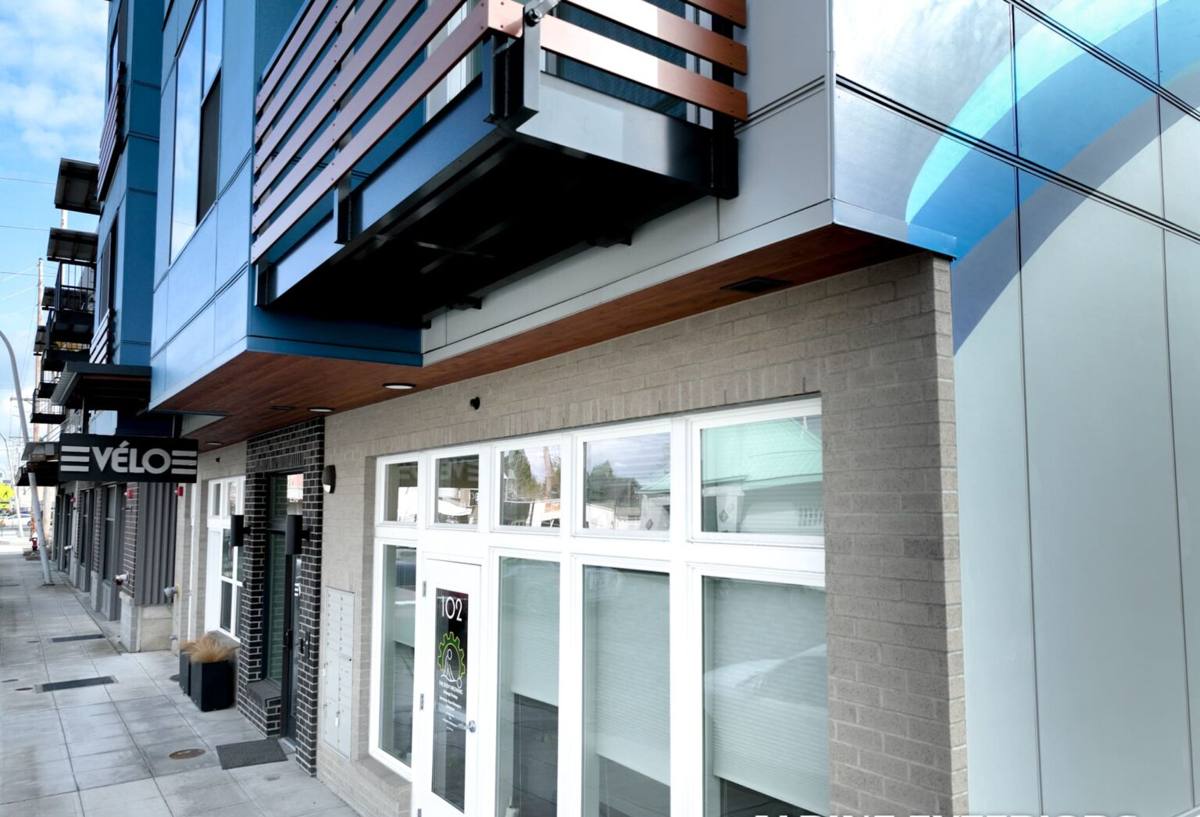
What Siding Has to Handle Here
Salt-Laden Air
Airborne salt is corrosive to metal and hard on many painted or coated surfaces over time. Fasteners, flashing, and trim details all need to be chosen with that in mind, and the siding material itself needs a finish that can sit in that air year after year without chalking, peeling, or absorbing moisture through a compromised surface.
Wind-Driven Rain
Rain that comes in at an angle off open water finds every gap a straight-down rain never would — under butt joints, behind loose trim, around window and door penetrations that weren't flashed with enough overlap. Water management at those details is not optional trim work; it's the difference between a wall that sheds water and one that slowly saturates behind the cladding.
An Extended Moss and Algae Season
Whatcom County's wet season runs long, and low winter sun angles mean shaded and north-facing walls near the harbor can stay damp for much of the year. That's exactly the environment moss and algae need to take hold on a wall surface, and it's a big part of why siding material and finish quality matter as much as the installation itself.
Why We Install Only James Hardie Fiber Cement
We don't install LP SmartSide, vinyl, Cemplank, Allura, or bare cedar or primed wood siding. That's not a marketing position — it's a standard we settled on after weighing how each of those products actually performs against conditions like the ones Blaine Harbor throws at a house. Wood-based products are more vulnerable to moisture intrusion at cut edges and require more diligent maintenance to keep ahead of rot in a wet marine climate. Vinyl can look and perform fine for a while but is more sensitive to impact and thermal movement, and it doesn't offer the same fire performance. Other fiber cement brands may be reasonable products, but we've standardized on one system so our crew installs it the same correct way every time, backs it with one warranty structure, and knows its behavior in this exact climate cold.
James Hardie fiber cement is non-combustible, engineered in region-specific HZ formulations for climate exposure, and finished at the factory with ColorPlus Technology — a baked-on finish that holds color and resists fading and moisture absorption better than field-applied paint. For a harbor-adjacent home, that factory finish matters: it's one less surface depending on a perfect paint job to keep salt air and rain out.
What a Correct Fiber Cement Installation Involves
Fiber cement is only as good as the assembly it's installed into. On a Blaine Harbor home, we pay particular attention to the water-management layer behind the siding, not just the siding itself.
| Detail | Correct Approach | Common Shortcut |
|---|---|---|
| Weather-resistive barrier | Continuous, properly lapped house wrap with all penetrations sealed | Reused or torn barrier, penetrations left unsealed |
| Flashing at windows/doors | Head, jamb, and sill flashing integrated with the barrier in the correct shingle-lap order | Caulk used in place of proper flashing |
| Clearance from grade/roof | Manufacturer-specified gaps maintained to keep siding out of standing water and roof splash-back | Siding installed tight to grade, decks, or roof lines |
| Fastening | Correct fastener type, spacing, and depth per Hardie's climate-zone specs | Overdriven or incorrectly spaced fasteners that crack the board or void warranty coverage |
| Joints and caulking | Factory-finished cut edges sealed, joints caulked with a flexible, paintable sealant rated for exterior use | Raw cut edges left unsealed, joints skipped |
Every item on the left side of that table is inspectable. We build our process so each one gets checked before the next step covers it up.
Our Process for Blaine Harbor Projects
- Assessment: we walk the home, check existing siding and sheathing condition, and note water-exposure patterns specific to the lot's orientation to the harbor and prevailing wind.
- Tear-off and sheathing inspection: old siding comes off and sheathing is inspected for hidden moisture damage before anything new goes on — this is where problems from a prior installation usually surface.
- Barrier and flashing installation: a continuous weather-resistive barrier goes on first, with flashing integrated at every window, door, and penetration.
- Siding installation: Hardie boards and panels are installed to manufacturer fastening and clearance specifications, not to the fastest schedule.
- Finish detailing: cut edges are sealed, joints caulked, and touch-up paint applied where factory-finished boards were field-cut.
- Final walkthrough: we go over the completed job with the homeowner and point out anything that needs periodic attention.
Choosing the Right Product Line and Color for a Marine Environment
Whatcom County's coastal zones fall under Hardie's HZ5 climate engineering, which accounts for wetter, cooler conditions rather than the hot, dry inland formulations used elsewhere in the country. For a Blaine Harbor home, that's the correct starting point regardless of style or color chosen afterward.
Color and texture are mostly an aesthetic decision, but there's one practical note worth mentioning: very dark colors absorb more heat and can experience more expansion and contraction, which is a normal engineering consideration Hardie accounts for in board design and installation guidance rather than a reason to avoid dark colors outright. We'll talk through the tradeoffs for your specific elevation and sun exposure during the estimate rather than guessing in general terms.
Cost Factors for Blaine Harbor Homes
Every project is priced on its own specifics, but the same handful of factors move the number up or down on most harbor-area homes:
| Factor | Why It Matters |
|---|---|
| Home size and wall complexity | More corners, gables, and dormers mean more cutting, flashing, and labor time |
| Existing siding removal | Tear-off and disposal add time, especially if old material or sheathing needs repair |
| Sheathing condition | Moisture-damaged sheathing found during tear-off has to be repaired before new siding goes on |
| Trim and soffit scope | Whether trim, fascia, and soffit are being replaced alongside the siding or left as-is |
| Site access | Waterfront lots, tight side yards, or limited staging area can affect labor and equipment needs |
| Product selection | Lap siding, panel systems, and shingle-style profiles carry different material and labor costs |
Living with Fiber Cement in a Moss-Prone Marine Climate
A correctly installed Hardie system needs far less upkeep than wood siding, but it's not maintenance-free — especially on shaded, water-facing walls where moss and algae growth is more likely.
- Rinse siding with a garden hose once or twice a year to clear salt residue, pollen, and early moss growth before it establishes
- Keep gutters clear so overflow doesn't run down the wall face and keep a section chronically damp
- Trim back landscaping and tree branches that shade a wall and slow drying after rain
- Check caulked joints annually and re-caulk any that have cracked or pulled away
- Repaint field-cut edges or touch-up areas promptly if the factory finish gets scratched or chipped
- Address any moss or algae growth early with a gentle wash rather than letting it establish and spread
Why Hiring a Crew That Already Works Semiahmoo Matters
Anyone can install siding on a calm, dry day. The test is how a wall assembly holds up through a winter of driving rain off Drayton Harbor and Semiahmoo Bay, plus a spring and fall's worth of moss-friendly damp shade. A crew that already works this stretch of Whatcom County has seen which details actually fail on harbor-adjacent homes — and builds around them by default, not as an afterthought. That includes knowing local permitting expectations, understanding how wind exposure varies from one side of a lot to the other near the water, and having a track record on similar homes in the same conditions rather than a generic installation approach applied everywhere.
If you're planning a siding project on a Blaine Harbor home, we'd be glad to take a look and talk through what your home's exposure actually needs. Fill out the form below for a free, no-pressure estimate.