 Semiahmoo Siding
 Why Birch Bay Siding Takes More Punishment Than People Expect
Birch Bay sits close enough to the water that salt-laden air is a daily fact of life, not an occasional weather event. Add Whatcom County's long wet season, wind-driven rain that hits walls sideways instead of just falling on roofs, and the shade and dampness that keep moss and algae established for most of the year, and you have a siding environment that is genuinely tougher than what a lot of manufacturers test for. Homes a few miles inland in Semiahmoo deal with a milder version of the same problem. Right on Birch Bay's shoreline and the flats behind it, the exposure is more constant.
None of that means siding has to fail early. It means the material, the detailing, and the crew doing the install all have to be matched to the conditions. A lot of siding problems we get called out to inspect in this area aren't really product failures — they're installation shortcuts that a marine climate exposes faster than a dry one would.
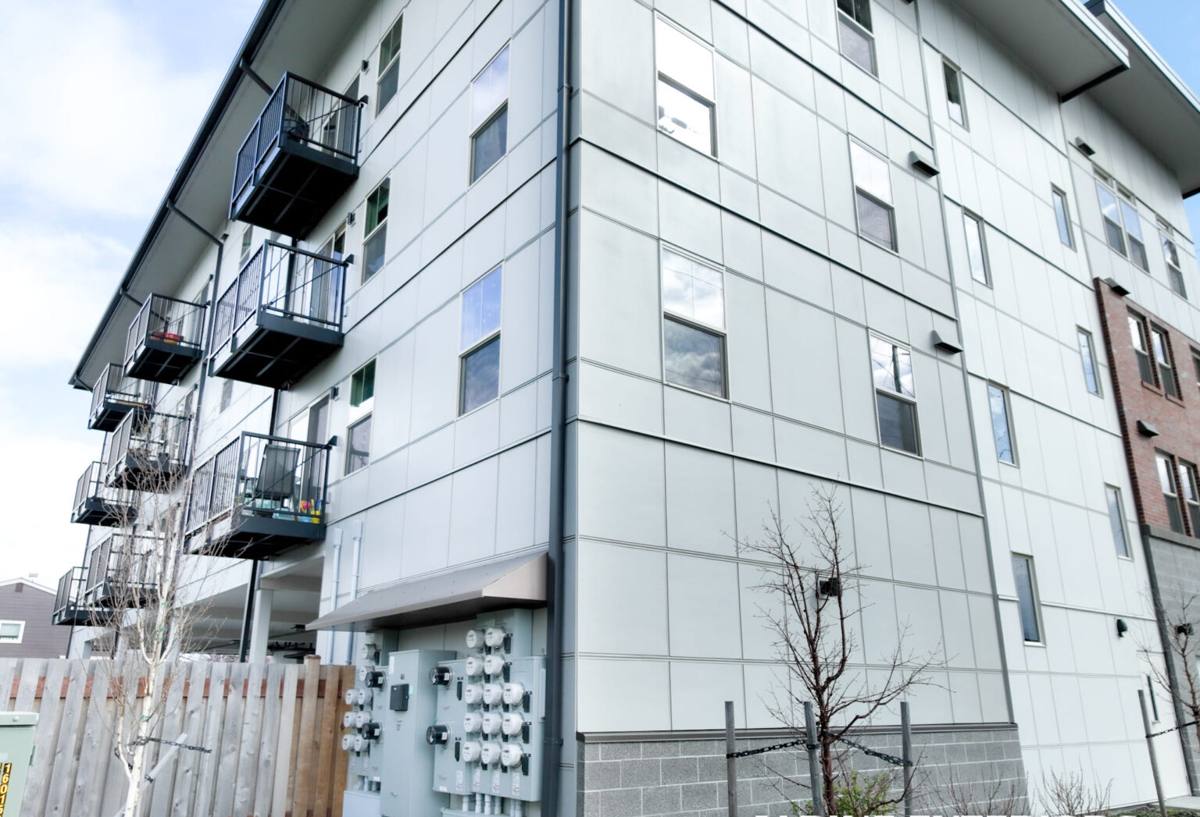
What Salt Air and Moss Season Actually Do to a Wall
Salt air
Airborne salt accelerates corrosion on anything metal — fasteners, flashing, trim edges — and it also holds moisture against surfaces longer than plain humidity does. Siding that isn't rated or finished for coastal exposure can chalk, fade, or develop surface breakdown well ahead of its expected service life.
Driving rain
Wind off the water pushes rain horizontally into wall assemblies, which puts real stress on butt joints, corner details, and anywhere siding meets a window, door, or roofline. A house across town that never gets hit at that angle can tolerate a sloppy joint for years. A Birch Bay-facing wall usually can't.
Moss and algae
Shaded, damp walls — especially north- and west-facing elevations under tree cover — stay wet longer between rain events. That extended dampness is what lets moss and algae get a foothold on siding surfaces and in gaps, and once established it holds even more moisture against the wall, compounding the problem.
Why We Only Install James Hardie Fiber Cement
We made a deliberate decision to stop installing vinyl, LP SmartSide, primed wood, and other fiber cement brands, and to install James Hardie exclusively. That's not a marketing position — it's what held up best, house after house, in exactly this kind of climate.
- Non-combustible core: fiber cement doesn't feed a fire the way wood-based products can, which matters as much for insurance conversations as for safety.
- ColorPlus factory finish: baked-on, UV-cured color that resists the fading and chalking salt air and sun cause to field-applied paint over time.
- HZ5 climate engineering: Hardie's HZ5 product line is engineered for the wetter, harsher regions of the country, including the Pacific Northwest, rather than being a one-size-fits-all national product.
- Moisture behavior: fiber cement doesn't rot, and it doesn't provide a food source for the moss and algae that thrive in this area's shade and dampness the way untreated wood can.
- Transferable warranty: a real, documented warranty that carries value if the home sells — something that matters more in a market with a lot of turnover in vacation and second homes near the water.
We're not going to tell you every other product is worthless — vinyl and LP SmartSide have legitimate uses and plenty of installed examples that look fine. What we will say is that after years of callbacks and re-siding jobs, we don't think they hold up as well against this specific combination of salt air, driving rain, and moss season, and we're not willing to put our name on an install we don't believe in.
What a Correct Fiber Cement Install Looks Like Here
Fiber cement is only as good as the install underneath it. In a coastal, high-moisture area, a few details matter more than they would somewhere drier:
Clearances and drainage
Siding needs proper clearance from grade, decks, patios, and roof lines so water has somewhere to go instead of wicking up into the bottom edge of the board. We also pay close attention to a drainage plane behind the siding — a weather-resistive barrier and, where called for, a rainscreen gap — so any moisture that does get past the surface can drain and dry instead of sitting against the sheathing.
Fasteners and flashing
Corrosion-resistant fasteners are non-negotiable this close to salt air; the wrong fastener can start rusting and staining within a couple of seasons. Flashing at windows, doors, and butt joints has to be installed in the correct shingle-lap order so water is directed out and down, never trapped behind the siding.
Joints and caulking
Every butt joint and trim intersection is a place wind-driven rain will test first. We follow Hardie's fastening and joint-treatment specifications rather than shortcutting with excess caulk to cover a gap — caulk is a backup, not the primary defense.
Painting and finish care
ColorPlus-finished boards come primed and finished from the factory, but field-cut edges and any touch-up work still need to be sealed correctly so raw fiber cement isn't left exposed to moisture at cut ends.
Our Process, Start to Finish
- On-site assessment: we walk the exterior, check current siding condition, look at drainage and grading around the foundation, and note which elevations take the most weather.
- Scope and product selection: we confirm the right Hardie profile and HZ5 specification for the home, and identify any sheathing, flashing, or moisture damage that needs repair before new siding goes on.
- Prep and tear-off: old siding comes off, sheathing is inspected and repaired as needed, and a proper weather-resistive barrier goes down before anything new is installed.
- Installation: siding, trim, and flashing go in to Hardie's published specifications, with attention to the joint and fastener details above.
- Final walkthrough: we review the finished job with the homeowner, including care and maintenance expectations specific to a Birch Bay or Semiahmoo property.
Comparing Cladding Options in a Salt Air, High-Moisture Climate
| Factor | Vinyl Siding | Primed Wood | James Hardie Fiber Cement (HZ5) |
|---|---|---|---|
| Salt air / UV fading resistance | Can chalk and discolor over time | Depends entirely on paint upkeep | ColorPlus factory finish resists fading |
| Moisture and rot risk | Doesn't rot, but can trap moisture behind it if installed loose | Vulnerable to rot without diligent maintenance | Fiber cement core doesn't rot |
| Moss/algae susceptibility | Low food source, but seams collect debris | Higher, especially on shaded elevations | Low; smooth factory finish sheds growth more easily |
| Fire performance | Can melt or contribute to fire spread | Combustible | Non-combustible |
| Typical repaint interval | N/A (can fade, not repainted) | Every 5–8 years in this climate | Factory finish; touch-up only, no full repaint cycle |
This isn't a claim that vinyl or wood siding "fails" — plenty of homes carry them for years. It's why, weighing these factors specifically for Birch Bay and Semiahmoo's climate, fiber cement is the product we're willing to stand behind.
Maintenance: What Birch Bay Homeowners Should Actually Do
Fiber cement is low-maintenance, not no-maintenance. A short annual routine goes a long way in this climate:
- Rinse siding down once or twice a year, especially shaded and north-facing walls, to knock back early moss and algae growth before it establishes.
- Keep gutters clear and downspouts directed away from the foundation so water isn't sheeting down wall surfaces.
- Trim back vegetation and tree cover that keeps particular elevations damp and shaded longer than the rest of the house.
- Walk the exterior once a year looking for caulk that's shrunk or pulled away at trim and joints, and have it addressed before winter's driving rain arrives.
- Watch fastener heads and flashing edges for early rust staining — a sign corrosion-resistant hardware wasn't used or is starting to fail.
Why Hiring a Crew That Already Works This Area Matters
A siding crew that mostly works drier inland areas can do a technically fine install and still miss the details that matter right on the water. Knowing which elevations in Birch Bay typically take the worst wind-driven rain, how far moss season really runs in a given micro-location, and how local building department expectations apply to re-siding and flashing details isn't something you pick up from a manual — it comes from doing the work here, repeatedly, and seeing what holds up a few winters later.
That local track record is also what lets us make honest calls upfront — telling a homeowner when a wall needs more drainage detailing than the last contractor gave it, or when moisture damage behind old siding needs to be dealt with before new siding goes up, rather than covered over.
What Affects Cost and Timeline
| Factor | Why It Matters |
|---|---|
| Extent of tear-off and sheathing repair | Hidden moisture damage behind old siding adds time and cost to address correctly before new siding goes on |
| Home size and elevation complexity | More corners, trim, and window/door penetrations mean more flashing and joint detail work |
| Siding profile and color selection | Lap width, panel style, and factory color affect material cost and lead time |
| Site access and season | Water-adjacent lots and wetter months can affect scheduling and site protection needs |
Every home's number comes down to what we find during the assessment — there's no accurate number to give without seeing the house first.
If your Birch Bay or Semiahmoo-area home is due for new siding, or you want a second opinion on wear you're seeing, we're happy to walk the exterior with you and give an honest read on what it needs. Reach out using the form below for a free, no-pressure estimate.