 Semiahmoo Siding
 New-Construction Windows in Laurel: Getting the Envelope Right From Day One
Laurel sits inland of the open water at Semiahmoo, within the same stretch of northern Whatcom County that runs up toward the Canadian border. It doesn't take the direct, multi-directional salt exposure that waterfront properties on the spit see, but it's still squarely inside the marine climate system that shapes exterior construction across this whole corner of Washington: frequent wind-driven rain, salt-tinged air moving in off the Sound, and a long stretch of the year when moss and mildew have every reason to take hold on anything that stays damp or shaded. For a new home going up in Laurel, that climate isn't a future maintenance issue — it's a design condition that needs to be built into the window installation from the rough opening forward.
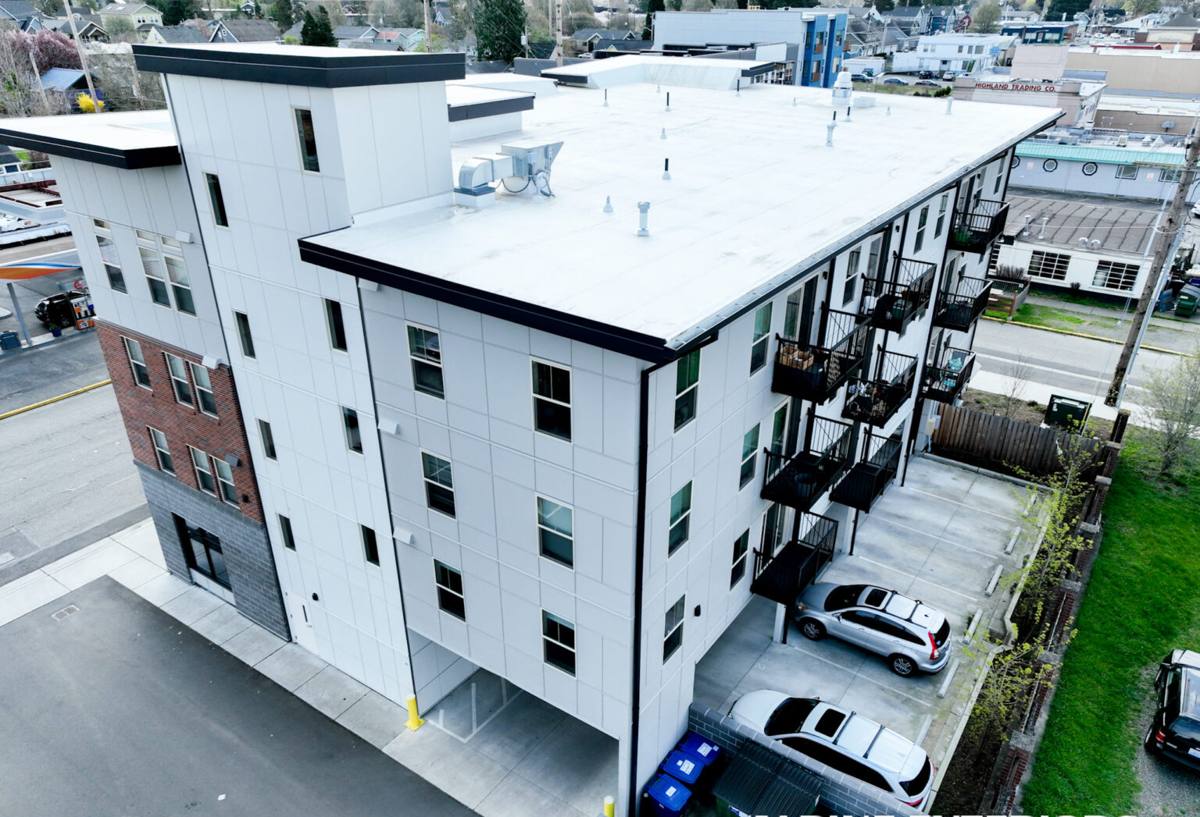
New-construction window work is a different job than replacing windows in an existing house, and it deserves to be treated that way. We install windows as part of new-build projects in and around Laurel, working directly with the framing and water-management details of the wall assembly rather than fitting a product into an opening that's already finished. Getting it right the first time matters more here than almost anywhere, because once the siding closes in, the flashing behind it is out of sight for the life of the house.
What This Climate Means for a New Build in Laurel
Salt Air and Corrosion Over the Life of the House
Even set back from open water, homes in this part of Whatcom County get a steady dose of salt-carrying marine air. Over years, that air accelerates corrosion on window hardware, fasteners, and lower-grade metal trim. For a new build, the fix is simple but easy to skip if nobody's paying attention: specify corrosion-resistant fasteners and hardware finishes at the framing stage, not after a homeowner notices pitting or stiff hardware five years in.
Driving Rain Before the Building Is Closed In
Rain in this region rarely falls straight down. Wind pushes it sideways into rough openings, sill pans, and head flashing, and during construction — before siding and trim are in place — a house is at its most vulnerable to that kind of intrusion. A rough opening that sits exposed to weather for even a few days without proper temporary protection can pick up moisture that causes problems long after the walls are closed up. Sequencing window installation correctly against the framing and dry-in schedule is part of doing the job right.
A Long Moss and Mildew Season
Mild temperatures and near-constant humidity give moss and mildew a long season across Whatcom County, and shaded or north-facing elevations are usually the first to show it. On a new build, that's a reason to get drainage details — weep paths, sill pan pitch, cladding clearance — correct from the start, since retrofitting drainage into a finished wall is far more disruptive than building it in during framing.
Why New Construction Is a Different Job Than Replacement
One Chance to Get Flashing and Water Management Right
On a replacement project, we're often working around an existing wall assembly and correcting whatever came before. On new construction, there's no existing assembly to work around — the rough opening, the water-resistive barrier, the flashing, and the window itself all get built together, in sequence, as one system. That's an advantage if it's done correctly, because every layer can be integrated exactly as it should be. It's also unforgiving: a flashing detail that's wrong on a new build gets sealed behind siding and finish work, and it may not surface as a leak for years.
Working Inside the Builder's Schedule
New-construction window installation happens on the general contractor's timeline, coordinated with framing, the water-resistive barrier, and siding crews. Windows typically go in after the WRB is installed and lapped correctly around the rough opening, and before siding closes over the flashing. That sequencing isn't flexible — installing windows out of order, or rushing the job to keep a schedule moving, is one of the more common ways flashing mistakes end up built into a new house.
Meeting Washington's Energy Code on a New Build
New construction in Washington has to meet the state energy code's requirements for window performance, which set maximum limits on U-factor (how much heat a window lets through) and, in some cases, solar heat gain coefficient depending on orientation and glazing area. Every window installed has an NFRC label documenting its actual performance numbers, and that label needs to match what the project's energy compliance path calls for. Bedrooms and similar habitable spaces also have egress requirements — minimum opening size and sill height — that have to be accounted for at the window-selection stage, not discovered during a final inspection. We coordinate window selection with these requirements up front so there are no surprises when the local building department signs off.
Choosing Window Products for a New Build in Laurel
New construction gives you more flexibility in frame material and installation method than a replacement project does, since the rough opening is being built to fit the window rather than the other way around. The right choice still comes down to how the material performs in this specific climate over time.
| Frame Material | New-Construction Fit | Moisture & Corrosion Behavior | Realistic Lifespan Here |
|---|---|---|---|
| Vinyl | Common nail-fin installation; budget-friendly for whole-house builds | Won't rot; seam and weld quality matters most | 20-30 years |
| Fiberglass | Nail-fin or block-frame options; holds tight tolerances well | Dimensionally stable, strong resistance to moisture and corrosion | 30-40+ years |
| Wood, clad exterior | Often block-frame; more detailing required at the rough opening | Exterior cladding protects the wood, but joints and sills need diligence | 20-30+ years with upkeep |
| Aluminum | Common in larger or contemporary openings | Conducts cold and can corrode in salt-influenced air without a good finish | 20-30 years |
We'll go over which material fits the design, budget, and exposure of your specific build rather than defaulting to whatever's easiest to source. A shaded elevation and a sun-exposed one on the same new house don't always call for the same window.
Our New-Construction Window Installation Process
The sequence matters as much as the window itself. On every new-build project in Laurel, that means:
- Confirming rough openings are square, plumb, and correctly sized before any window arrives on site
- Installing a properly pitched sill pan that directs water outward, not toward the framing
- Integrating the window flange with the water-resistive barrier in correct shingle-lap order — WRB, sill pan, window, jamb flashing, head flashing — so water sheds down and out at every layer
- Using corrosion-resistant fasteners and hardware suited to a consistently damp, salt-influenced climate
- Sealing and insulating around the frame without trapping moisture against the framing
- Verifying every unit's NFRC label matches the project's energy code compliance documentation
- Photographing flashing details before siding closes over them, so there's a record of what's behind the wall
None of these steps add meaningfully to the cost of the window itself, but skipping any one of them is how a brand-new house ends up with a hidden leak within a few wet seasons.
Coordinating With Your Builder or General Contractor
We regularly work as the window subcontractor on new-build projects, coordinating directly with the general contractor's schedule and with the framing and siding crews on either side of us in the sequence. That means showing up when the WRB is ready and not before, communicating clearly if a rough opening isn't built to spec, and documenting our flashing work so it's part of the project record rather than a black box behind the siding. If you're a homeowner working with your own general contractor on a Laurel build, we're glad to work directly with them on window selection, sequencing, and code compliance.
Why a Local Whatcom County Crew Matters on a New Build
A crew that installs windows across this county through every season has a practical sense of how salt air, wind-driven rain, and a long moss season actually behave on new construction, not just on paper. That shows up in decisions that don't get made by a spec sheet alone: how much drainage detailing a given elevation in Laurel needs based on shade and prevailing wind, how tight a sill pan's tolerances need to be for the amount of water this region actually delivers, and which flashing sequence is worth the extra time on a framing crew's schedule so the house isn't dealing with a hidden leak two winters after move-in. It also means understanding the difference between an inland Whatcom County lot and a fully exposed waterfront property, and not applying the same approach to both.
Get a Free, No-Pressure Estimate
If you're building new in Laurel and want windows installed by a crew that treats flashing and sequencing as seriously as the window itself, we're happy to talk through your project. Reach out using the form below to schedule a free estimate — no pressure, no upsell script.