 Semiahmoo Siding
 Window Replacement Built for Lynden's Climate
Lynden sits in a part of Whatcom County that sees a lot of weather over the course of a year — long stretches of steady rain, damp winters, and the kind of persistent humidity that keeps moss growing on roofs and siding well into the dry months. Windows take more abuse from this pattern than most homeowners realize. It's not one dramatic storm that fails a window — it's years of moisture cycling in and out of the frame, seals, and surrounding trim.
When we replace windows in the Lynden area, we're not just swapping glass. We're addressing how the whole assembly — frame, flashing, sill, and interior trim — holds up against a marine-influenced climate that doesn't give building materials much of a break between wet seasons. A window that's rated fine for a dry inland climate can still underperform here if it isn't installed with local conditions in mind.
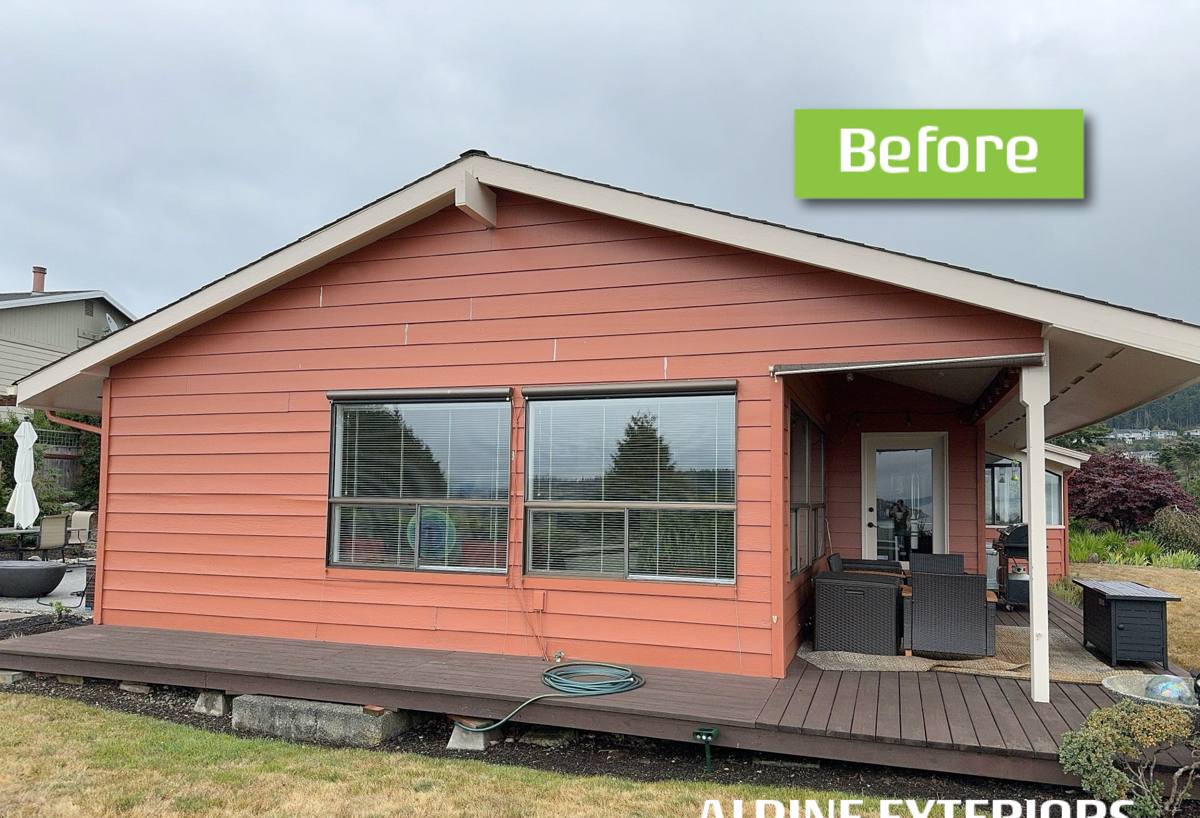
Signs a Window Needs Replacing, Not Just Repair
Not every problem window needs full replacement. But in our experience working homes throughout Whatcom County, certain symptoms point to a failure that repair or re-caulking won't fix.
- Fogging or a permanent haze between panes — the seal on the insulated glass unit has broken and moisture is trapped inside
- Wood sash or frame that's soft, discolored, or crumbling when pressed with a thumbnail
- Persistent condensation on the interior glass, especially along the bottom edge, during cold snaps
- Drafts you can feel with a hand near the frame on a windy day
- Windows that are difficult to open, close, or lock — often a sign the frame has swelled or shifted
- Visible daylight or gaps around the frame from outside
- Paint that keeps failing on the exterior trim no matter how often it's redone
If you're only seeing one of these and the rest of the window is sound, a repair or reseal may buy you more years. If you're seeing several at once, that's usually a sign the window's service life is over.
What a Correct Window Replacement Job Actually Involves
It's Mostly About the Opening, Not the Window
The window unit itself is a manufactured product — quality varies, but most reputable brands perform well when installed correctly. The part that determines whether a window lasts 20 years or fails in five is almost always the installation: how the rough opening is prepped, how water is directed away from the frame, and how the unit is sealed and flashed into the wall.
A correct job includes:
- Removing the old unit and inspecting the rough opening, sill, and surrounding framing for hidden rot or moisture damage before anything new goes in
- Repairing or replacing any compromised framing or sheathing — never installing a new window over a wet or damaged opening
- Installing sill pan flashing so any water that gets past the window has a path back out, not into the wall
- Integrating window flashing with the existing house wrap or weather barrier in the correct shingle-lap order, so water always sheds downward and outward
- Setting the window level, plumb, and square, then securing it per manufacturer fastening specs
- Insulating the gap between the frame and rough opening properly — not overpacked, not left empty
- Sealing and caulking the exterior with the right products, and finishing interior trim cleanly
Skip any one of these steps and you can end up with a brand-new window that leaks or rots the wall around it within a few seasons — a problem that's expensive to trace once siding and trim are back in place.
Why Flashing Order Matters More Here
In a drier climate, a flashing mistake might go unnoticed for years. In Whatcom County's rain pattern, water finds gaps quickly and repeatedly. We treat flashing sequence and sill pan installation as non-negotiable steps, not optional upgrades, because the region simply doesn't forgive shortcuts the way a low-rainfall climate might.
Frame Material Options for Lynden Homes
There's no single "best" window material — the right choice depends on your home's age, style, budget, and how much upkeep you want to take on. Here's how the common options compare for this climate:
| Material | Moisture Performance | Maintenance | Typical Fit |
|---|---|---|---|
| Vinyl | Very good — won't rot, resists moisture well | Low — occasional cleaning | Most homes; best value for straightforward replacement |
| Fiberglass | Excellent — dimensionally stable in wet/dry cycling | Low | Homes wanting a higher-end, longer-life option |
| Aluminum | Fair — prone to condensation without thermal breaks | Low, but seals need monitoring | Modern or commercial-style homes |
| Wood | Requires diligent upkeep in this climate | High — regular painting/sealing | Historic or character homes where the look matters most |
| Wood-clad | Good exterior protection, wood interior warmth | Moderate | Homeowners wanting real wood indoors without full wood exposure outside |
We're upfront about trade-offs. Wood windows can look great, but in a climate with this much sustained moisture, they demand a maintenance schedule most homeowners underestimate when they buy. If low upkeep matters to you, vinyl or fiberglass will serve you better long-term — that's a maintenance and moisture-behavior call, not a knock on wood as a material.
Our Process for Lynden Window Replacement
- On-site assessment — we look at each window individually, not just the number you want replaced. Some may need repair, others full replacement.
- Honest scope and estimate — you'll know what's included, what materials we're proposing, and why, before any work starts.
- Opening inspection at removal — every old window comes out with an inspection of the framing and sill underneath. If there's hidden damage, we tell you before we cover it back up.
- Proper flashing and sealing — sill pans, house wrap integration, and sealants matched to this climate, not a generic shortcut.
- Interior and exterior finish work — trim, caulking, and paint-ready or paint-matched surfaces so the job looks finished, not patched.
- Walkthrough and cleanup — we walk each window with you before we consider the job done.
Why a Local Crew Matters for This Kind of Work
Window replacement is one of those jobs where experience with the specific region shows up in the details. A crew that works Whatcom County regularly has already seen how moisture moves through walls here, which flashing details actually hold up over a Pacific Northwest winter, and which shortcuts tend to cause callbacks two or three years down the road. That's knowledge you don't get from a crew that mostly works drier inland climates and treats every job the same way.
We're based out of the Semiahmoo area and work throughout Whatcom County, including Lynden. That means we're not learning the region's weather patterns on your house — we've already accounted for them in how we scope, flash, and seal every window we install.
Cost Factors to Expect
Every home is different, and we don't publish blanket per-window pricing because it depends on real variables. What we can tell you is what tends to move the number:
| Factor | Effect on Cost |
|---|---|
| Window size and style (standard vs. custom shapes) | Custom or oversized units cost more |
| Frame material chosen | Vinyl typically lowest; fiberglass and wood-clad higher |
| Condition of the existing opening | Hidden rot or framing repair adds cost, but it's not optional if found |
| Number of windows done at once | Bundling multiple windows in one visit is usually more efficient than one-offs |
| Trim and interior finish work | Matching existing trim profiles or repainting adds labor |
| Access and site conditions | Second-story or hard-to-reach windows take more time |
We'll walk through these with you during the estimate so there are no surprises once the work starts.
A Simple Maintenance Checklist Once Your Windows Are In
New windows still need a little attention to get their full service life out of them, especially in a climate that stays damp for much of the year.
- Check exterior caulking annually and touch up any cracked or peeling sections
- Clear debris and moss from window sills and surrounding trim before it holds moisture against the surface
- Test that weep holes on vinyl and fiberglass frames are clear so water can drain out
- Wipe down interior condensation promptly during cold weather to protect sills and trim
- Have wood or wood-clad frames inspected and repainted or resealed on the manufacturer's recommended schedule
- Watch for any new drafts, sticking, or difficulty locking — early signs are cheaper to address than late ones
If your windows in Lynden are fogging, drafty, hard to operate, or just original to a home that's due for an update, we're happy to take a look. We'll give you a straightforward, no-pressure estimate and tell you honestly whether you need full replacement or just repair — use the form below to get started.