 Semiahmoo Siding
 Cherry Point's Climate Is Hard on Windows
Cherry Point sits close enough to the water that homes here take a different kind of weathering than houses further inland in Whatcom County. Salt-laden air moves through on the wind, rain comes in sideways more often than straight down, and the long gray stretch of fall through spring keeps everything damp for months at a time. Windows are one of the first parts of a house to show the wear from that combination, and they're also one of the easiest things to under-diagnose. A window that looks fine from across the room can already have failed seals, soft framing, or a moisture path working behind the trim.
Replacing windows correctly out here isn't just a matter of swapping old glass for new. It means choosing materials and installation details that actually hold up against salt air, driving rain, and the moss and mildew that come with a wet, mild coastal climate. This page covers what that looks like specifically for Cherry Point homes.
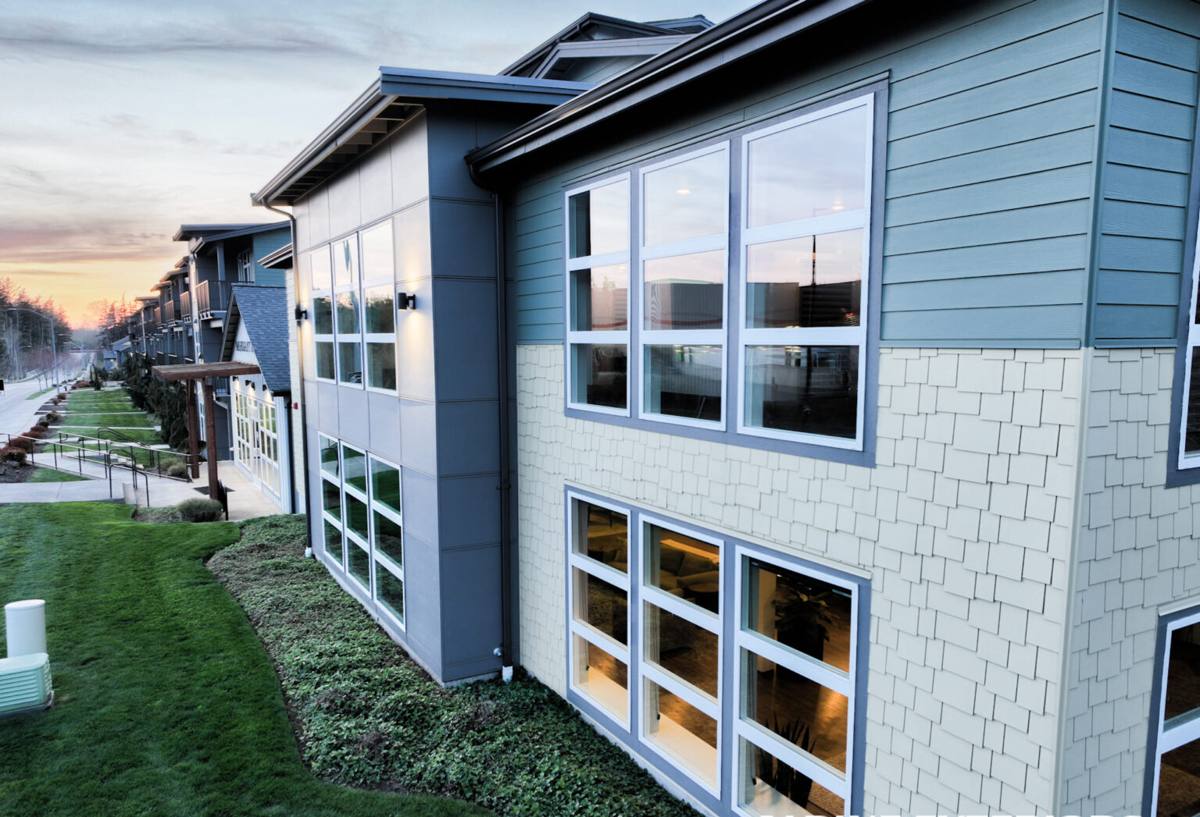
What Salt Air, Driving Rain, and Moss Actually Do to Windows
Salt-Laden Air and Metal Components
Salt in the air accelerates corrosion on anything metal — window hardware, screen frames, and especially older aluminum sash tracks. Locks stick, cranks seize, and weep holes corrode shut so water that's supposed to drain back out gets trapped instead. This happens gradually enough that homeowners often chalk it up to "the house settling" rather than recognizing it as coastal wear.
Driving Rain and Water Intrusion
Wind-driven rain doesn't just hit a window — it gets pushed sideways and upward into gaps that would never see water in a calmer climate. Older window installations, especially ones done before flashing standards tightened up, rely on caulk alone to keep water out. Caulk fails. When it does out here, water finds its way behind the trim and into the wall assembly long before anyone notices a stain inside.
Moss, Mildew, and Prolonged Dampness
Whatcom County's moss season is long, and it's not limited to roofs. Moss and mildew take hold on window sills, in corners of frames, and in any spot that stays shaded and damp. On wood-framed windows this is a real problem — trapped moisture behind a coat of paint is exactly what leads to rot. On vinyl and fiberglass it's mostly cosmetic, but it's still a sign that water is sitting where it shouldn't.
Signs It's Time to Replace, Not Repair
- Windows feel drafty even when fully closed and locked
- Condensation or fogging between the panes of a double-pane window (a sign the seal has failed)
- Wood trim or sills that are soft, spongy, or visibly rotting
- Cranks, locks, or balances that stick or no longer hold the sash open
- Visible daylight or a whistling sound around the frame during wind
- Paint that keeps bubbling or peeling on the interior sill despite repainting
- A noticeable jump in heating costs with no other explanation
Any one of these on its own might be repairable. Several of them together, especially on windows original to the house, usually means replacement is the more honest recommendation — repeated caulking and hardware fixes stop paying off once the frame itself is compromised.
What a Correct Installation Involves in This Climate
Flashing and Weatherproofing Come First
The window unit itself matters less than what happens around it. Proper flashing — installed in the right order, overlapped correctly, and tied into the building's water-resistive barrier — is what actually keeps driving rain out. Skipping or shortcutting this step is the single most common reason a "new" window leaks within a few years. We treat flashing detail as the non-negotiable part of the job, not an afterthought after the window is set.
Sealing Without Trapping Moisture
There's a balance between sealing a window tight and giving any water that does get in a way back out. That means using the right sealants in the right places, keeping weep holes clear, and not over-caulking in a way that traps moisture inside the assembly. In a climate this wet, a window that can't shed the occasional bit of water it takes on will eventually cause more damage than one that lets it drain.
Matching the Window to the Wall
Replacement windows need to fit the existing rough opening and match the wall's construction, whether that's original single-wall framing or a wall that's already been re-sided. On homes where we're also doing siding work nearby, we coordinate the window flashing with the siding's drainage plane so the two systems work together instead of one undoing the other.
Choosing Window Materials for a Salt Air, High-Moisture Climate
Every frame material has trade-offs. None of them is wrong across the board — the right choice depends on budget, the age and style of the house, and how much upkeep you want to take on.
| Frame Material | Salt Air / Moisture Resistance | Maintenance | Relative Cost |
|---|---|---|---|
| Vinyl | Very good — won't corrode or rot | Low; occasional cleaning | Lower |
| Fiberglass | Excellent — dimensionally stable, resists moisture and corrosion | Low | Higher |
| Aluminum-clad wood | Good exterior protection with a wood interior; cladding must be well-sealed at joints | Moderate — interior wood still needs care | Higher |
| Bare wood | Weakest in this climate without diligent upkeep; prone to rot if paint fails | High — regular repainting and inspection | Varies |
For most Cherry Point homes, vinyl or fiberglass frames make the most practical sense because they don't give salt air or trapped moisture anything to work with. Where a homeowner wants a painted, traditional wood look, we're upfront that it comes with a real maintenance commitment in this climate — that's a trade-off to go into with eyes open, not a reason to avoid wood altogether if you're willing to keep up with it.
Glass Packages Worth Considering
Double-pane, low-E glass is the practical standard here and handles the region's mild-but-damp temperature swings well. Triple-pane adds cost and weight without a strong payoff in a climate that rarely sees extreme cold — it's more useful for noise reduction than for the energy savings alone. Argon or krypton gas fills and warm-edge spacers are worth the modest upcharge; they hold up to humidity better than older spacer designs that were prone to seal failure.
Our Window Replacement Process
- On-site assessment — we look at existing window condition, framing, and any signs of past water intrusion before recommending replacement over repair.
- Honest options — we walk through frame materials and glass packages suited to the house and budget, without steering toward the most expensive option by default.
- Careful removal — old units come out without unnecessary damage to surrounding trim or siding, and we check the rough opening for hidden rot before installing anything new.
- Proper flashing and sealing — installed to shed wind-driven rain, not just resist it under calm conditions.
- Final check and cleanup — operation, locks, and seals tested; job site left clean.
We don't treat any of these steps as optional shortcuts, even on smaller jobs. A single poorly flashed window can undo the benefit of replacing all the others.
What Affects the Cost
Every house is different, but the same handful of factors drive most of the price variation we see on window replacement jobs in this area:
- Number and size of windows being replaced
- Frame material and glass package chosen
- Whether the existing opening needs repair due to rot or past water damage
- Access — second-story or hard-to-reach windows take more time and setup
- Whether trim, siding, or interior finish work needs to be coordinated with the window install
- Full-frame replacement versus insert (pocket) replacement into an existing frame
Full-frame replacement costs more up front but is the right call when the existing frame shows any rot or water damage — installing a new window into a compromised opening just hides the problem. Insert replacements can be a reasonable, less expensive option when the existing frame is still sound. We'll tell you honestly which situation you're in rather than defaulting to the more expensive option.
Why Hiring a Crew That Already Works Cherry Point Matters
Window replacement done by a crew unfamiliar with coastal Whatcom County conditions tends to make the same mistakes: standard flashing details borrowed from drier climates, caulk relied on as the primary water barrier, and glass or frame choices that aren't matched to salt air exposure. None of those mistakes show up on install day — they show up two or three winters later as leaks, stuck hardware, or soft trim.
Working regularly in and around Semiahmoo and Cherry Point means we're not guessing at how this climate treats a window over time — we've seen what holds up and what doesn't, on houses facing the same wind and rain patterns as yours. That's the difference between an installation that looks right on day one and one that's still performing correctly five or ten winters in.
Keeping New Windows Performing in This Climate
New windows still need occasional attention out here. A quick seasonal check goes a long way toward protecting the investment:
- Clear debris and moss from sills and tracks before it holds moisture against the frame
- Confirm weep holes are open and draining, especially after storms
- Rinse salt residue off exterior frames and hardware periodically, particularly on homes with more direct water exposure
- Check exterior caulking annually and touch up any spots that have cracked or pulled away
None of this is heavy maintenance — it's the kind of thing that takes minutes a few times a year and prevents the slow, hidden damage that salt air and standing moisture cause when they're ignored.
If you're noticing drafts, fogged glass, or sticking hardware on your Cherry Point home, we're happy to take a look and give you a straightforward assessment. Reach out for a free, no-pressure estimate using the form below.