 Semiahmoo Siding
 Board & Batten Siding for Sumas Homes
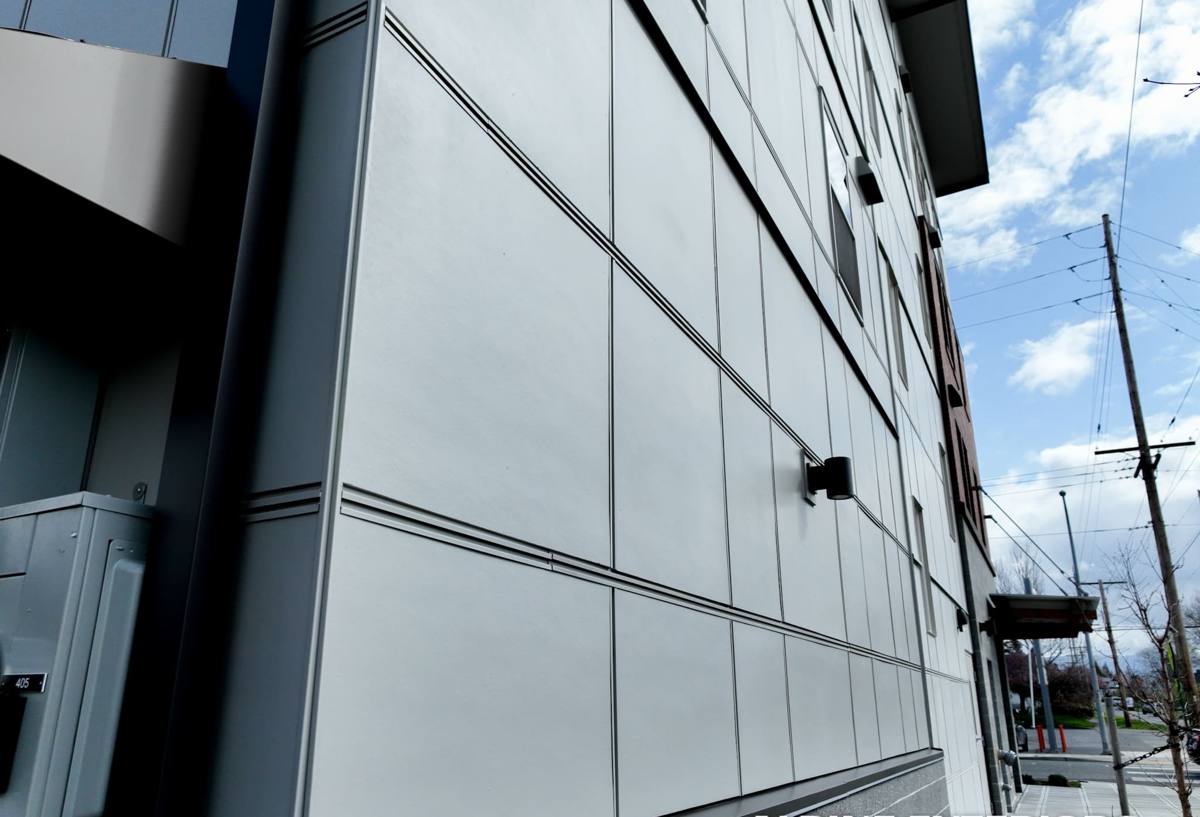
Board and batten is one of the most requested looks we install in Sumas — vertical panels with raised battens covering the seams, giving a home that clean, farmhouse-to-modern profile that works on everything from a foothill cabin to a newer build. It's a great look. It's also a siding style that lives or dies on the details underneath it, and in a climate that combines salt-laden marine air, sustained driving rain, and a moss season that can run most of the year, those details matter more here than they do in drier parts of the country.
We install board and batten siding for homeowners throughout the Sumas area and the broader Semiahmoo service region. This page covers what the style actually requires to hold up long-term in Whatcom County conditions, what a correct installation looks like, and what our process involves from first look to final walk-through.
Why Sumas' Climate Is Tougher on Vertical Siding Than It Looks
Vertical board and batten siding behaves differently than horizontal lap siding, and not always in the homeowner's favor. Understanding why matters before you commit to the style.
Salt Air and Coastal Moisture
Sumas sits close enough to the coast that homes still catch salt-laden air moving in off the water. Salt is corrosive to exposed metal fasteners and trim, and it accelerates the breakdown of lower-grade paint films. Any nail, flashing, or trim piece on a board and batten job that isn't rated for coastal exposure becomes the weak point first — usually showing rust streaks or corrosion well before the siding itself shows wear.
Driving Rain and Wind-Driven Water
Whatcom County storms don't just fall straight down — wind pushes rain sideways against exterior walls for hours at a time. Board and batten has more vertical seams per square foot than horizontal lap siding, and every one of those seams is a potential path for water if the battens aren't fastened and sealed correctly. On a wall that takes driving rain regularly, a seam that's "close enough" on a calm day will leak in a January storm.
A Long Moss and Algae Season
Shaded walls, tree cover, and the region's damp, mild winters mean moss and algae growth is nearly year-round here, not seasonal. Vertical battens create horizontal ledges and shadow lines that hold moisture longer than a flat lap profile, which is exactly where moss likes to start. The siding material's resistance to moisture absorption — not just its paint color — determines how much of a moss problem you'll actually have five years in.
What a Correct Board & Batten Job Requires
Board and batten is not more expensive to install correctly than lap siding, but it is less forgiving of shortcuts. A few things separate a job that lasts from one that needs attention in a few years:
- Rainscreen or drainage gap behind the panels — vertical siding needs a way for incidental moisture to drain and the wall to dry, not just a face-sealed barrier
- Corrosion-resistant fasteners — stainless or hot-dip galvanized fasteners rated for coastal/marine exposure, not standard interior-grade nails
- Batten spacing and fastening that respects the material's expansion — fiber cement moves slightly with temperature and moisture; battens fastened without allowance for that movement can crack or pop over time
- Flashing at every horizontal transition — window heads, belly bands, and roof lines need proper flashing detail, since these are where wind-driven rain actually finds its way in
- Factory-finished material — a pre-finished panel with a baked-on coating resists moss and UV fade far better than field-primed or field-painted boards, especially on shaded elevations
Why We Install Board & Batten Only in James Hardie Fiber Cement
We install James Hardie exclusively — not vinyl, not LP SmartSide, not primed spruce or cedar boards, and not composite panels like Cemplank or Allura. For board and batten specifically, that choice matters even more than it does for lap siding, because vertical profiles expose more seams and edges to weather.
Why Not Wood (Cedar or Primed Spruce)
Real wood board and batten looks great on day one. But wood is dimensionally unstable — it swells, shrinks, and cups with moisture cycling — and in a climate with this much sustained dampness, that movement opens up seams and stresses the paint film faster than in drier regions. Wood is also the material most vulnerable to the moss and rot pressure that comes with long wet seasons. It's a legitimate material with real character; it's also a higher-maintenance one here, and we're upfront about that trade-off.
Why Not Vinyl
Vinyl board and batten exists and is inexpensive, but it's a thin extruded panel that relies on overlap and gravity rather than a true fastened, flashed wall system. It flexes, it can crack in cold snaps, and its color is baked through a thin material that fades unevenly over time, especially on sun-exposed elevations. It doesn't hold up to the scrutiny this style invites at close range.
Why Not LP SmartSide
LP SmartSide is an engineered wood product with a resin-treated strand substrate. It performs reasonably well in many climates, but it's still wood-based, meaning it depends on caulking and edge sealing staying intact to keep moisture out of the substrate. In a region with this much standing damp weather, we've made caulk-dependent seams a standard we don't want to build a reputation on.
Why Hardie
James Hardie fiber cement is non-combustible, dimensionally stable across wet and dry cycles, and available with a factory-applied ColorPlus finish that resists fading and chipping far longer than field-applied paint. Hardie's HZ5 product line is engineered specifically for regions with sustained moisture exposure like ours. The warranty is transferable if you sell the home, and the material simply holds its line and color on vertical applications better than the alternatives we've moved away from.
Our Board & Batten Process in Sumas
- On-site assessment — we walk the home, check current siding and sheathing condition, note shaded/moss-prone elevations, and identify any moisture damage that needs addressing before new siding goes on
- Design and material selection — batten spacing, reveal, trim profile, and ColorPlus color selected to match the home's style and any HOA or neighborhood expectations
- Prep and drainage plane — old siding removed, sheathing inspected and repaired as needed, weather-resistant barrier and rainscreen gap installed
- Flashing first — window, door, and roofline flashing installed and integrated with the water-resistive barrier before a single board goes up
- Installation — panels and battens fastened per James Hardie's published fastening schedule, using corrosion-resistant fasteners throughout
- Detail and trim — corners, transitions, and penetrations finished and sealed to manufacturer spec
- Final walk-through — we review the finished job with you before calling it done
Cost Factors for Board & Batten in This Area
Board and batten pricing depends on more than square footage. The table below covers the factors that move the number most on jobs in this area.
| Factor | Why It Affects Cost |
|---|---|
| Home elevation complexity | More corners, gables, and roof transitions mean more flashing and cutting labor |
| Existing siding removal | Tear-off and disposal of old material adds labor beyond a straightforward install |
| Sheathing/moisture repair | Rot or water damage found during tear-off needs to be fixed before new siding goes on |
| Batten reveal and spacing | Tighter batten spacing uses more material and more fastening labor than wider spacing |
| Color and trim selection | Standard ColorPlus colors vs. premium finishes and custom trim details |
| Shaded/moss-prone elevations | May warrant additional drainage detailing to manage long-term moisture exposure |
Signs Your Current Siding Is Ready for Replacement
If you're weighing whether now is the right time, look for these signs on your current siding:
- Persistent moss or algae staining that returns within months of cleaning
- Soft spots, bubbling, or visible warping in wood or composite boards
- Rust streaking below nail heads or trim fasteners
- Gaps opening up between boards or battens that weren't there a few years ago
- Paint that's chalking, peeling, or fading unevenly by elevation
- Visible daylight or drafts at seams from inside the home
Maintenance Once It's Installed
James Hardie board and batten is low-maintenance, not no-maintenance. A soft wash to clear moss and pollen buildup once or twice a year, especially on shaded north- and west-facing walls, keeps the ColorPlus finish looking like new. Check caulking at trim joints periodically, and keep gutters and downspouts clear so water isn't sheeting down the wall face longer than it needs to. That's the whole list — no repainting cycle, no annual sealing.
If you're considering board and batten siding for a home in Sumas or anywhere in the Semiahmoo service area, we're happy to take a look and walk you through what it would take on your specific house. Request a free, no-pressure estimate using the form below.