 Semiahmoo Siding
 Why Storm Damage Hits Laurel Roofs Harder Than You'd Think
Laurel sits close enough to open water that every winter storm system rolling off the Strait of Georgia and Semiahmoo Bay arrives with more than just rain. It brings sustained wind, salt-laden air, and the kind of driving, sideways moisture that finds every weak point in a roof system rather than just sitting on top of it. A roof that would hold up fine a hundred miles inland can take a beating out here simply because of how the storms move through Whatcom County.
Most homeowners don't think about roof damage until there's a stain on the ceiling or a shingle in the yard. By then, water has usually been getting in for a while. The goal of a proper storm damage repair isn't just to patch what's visible — it's to find where the storm actually broke the roof's defenses and fix that, not just the symptom.
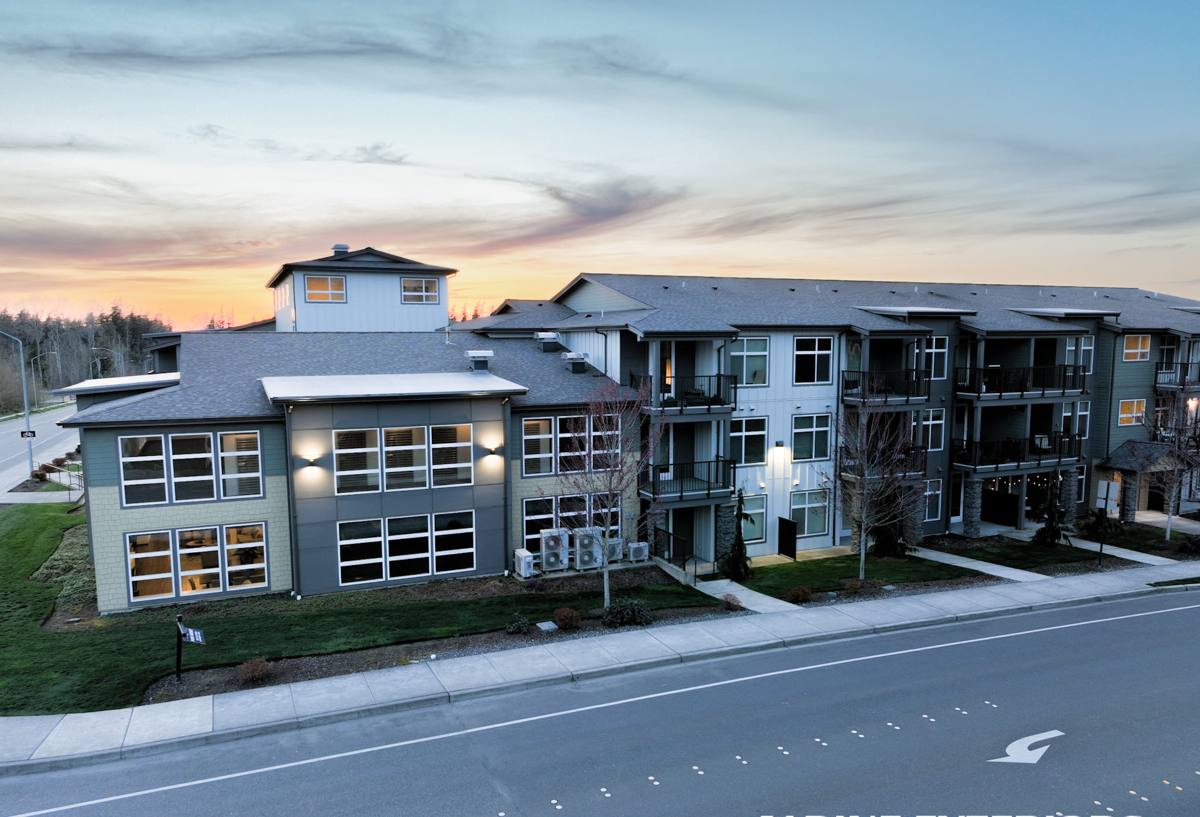
What Counts as "Storm Damage" on a Whatcom County Roof
Wind Damage
Wind doesn't need to be a named storm to do damage. Repeated gusts work shingle tabs loose, lift the edges of roofing at eaves and rakes, and stress the nails holding everything down. Once a shingle's seal is broken, it doesn't reseal itself — it just keeps flapping and loosening with every future wind event until it tears off or lets water underneath.
Wind-Driven Rain Intrusion
This is the damage type that's easy to miss from the ground. Rain that's being pushed sideways by wind can work its way under shingles, around flashing, and into vent penetrations that would never leak in calm weather. It shows up later as a soft spot in the decking, a musty smell in the attic, or a ceiling stain that seems to appear out of nowhere weeks after the storm actually happened.
Impact and Debris Damage
Falling branches, blown debris, and even hail on occasion can crack shingles, dent metal flashing, or punch through in isolated spots. This kind of damage is usually the easiest to spot but not always the easiest to fully assess — a cracked shingle can hide a compromised layer underneath that isn't visible until it's pulled back.
The Salt Air, Rain, and Moss Cycle That Wears Laurel Roofs Down
Storm damage rarely happens to a roof in perfect condition. In this part of Whatcom County, three ongoing conditions weaken roofs year-round and make them more vulnerable when a storm does hit.
Salt Air and Metal Components
Proximity to Semiahmoo Bay means a steady low-level exposure to salt in the air. Over years, that accelerates corrosion on exposed metal — flashing, fasteners, vent caps, gutter hardware. Corroded fasteners lose their grip strength, and corroded flashing seams open up small gaps that widen under wind pressure. A roof that's been up a decade near the water often has more compromised metal than a similarly aged roof further inland.
Moss and Trapped Moisture
Whatcom County's long, wet moss season — really most of the year on shaded or north-facing roof slopes — lets moss get a foothold in shingle granules and roof valleys. Moss holds moisture against the roofing material far longer than it would otherwise sit, which softens shingles, works under tabs, and can lift edges just enough for wind to grab and finish the job. A moss-covered roof going into a storm is already at a disadvantage.
Cumulative Driving Rain
It's not any single storm — it's the volume of wind-driven rain this area sees across a typical year. Flashing details, underlayment laps, and seal strips that would be adequate in a drier climate get tested constantly here, and small installation shortcuts that wouldn't matter elsewhere become real leak points over time.
What a Correct Storm Damage Repair Actually Involves
A repair that only replaces the shingles someone can see from the driveway is a repair that's likely to be redone. A correct repair starts with figuring out how far the damage actually extends.
- Inspecting the decking underneath damaged shingles for soft spots, rot, or delamination — not just the surface layer
- Checking underlayment condition in the repair area, since torn or saturated underlayment needs replacing even if the shingles above it look fine
- Examining flashing at valleys, chimneys, vents, and wall transitions, since these are the most common places wind-driven rain actually gets in
- Confirming fastener condition and pattern, especially on older roofs where corrosion may have already weakened the original nailing
- Matching replacement shingles as closely as possible in color and profile so the repair doesn't stand out as a patch
- Checking attic ventilation and insulation near the repair area for signs the leak had already been active before the storm
Skipping any of these steps means the repair addresses what broke visibly, not necessarily what actually failed structurally.
Our Process for Laurel Storm Damage Calls
Assessment and Documentation
We start with a full roof inspection, not just a look at the obvious damage. That includes checking the attic from underneath where accessible, since interior signs of water intrusion often tell us more than what's visible from a ladder. We document everything with photos — this matters if you end up filing an insurance claim, since adjusters work from evidence, not descriptions.
The Repair Itself
Once we know the actual scope, we do the repair in the right order: decking first if it needs it, then underlayment, then flashing, then the roofing material itself. We don't shingle over a soft deck or reuse compromised flashing just to save a step — that's the kind of shortcut that turns into a callback after the next storm.
Follow-Up
After the repair, we walk it with you and point out what we found and what we did about it, in plain terms. If we noticed other areas that are getting close to needing attention — aging flashing, thinning granule coverage, moss starting to establish — we'll tell you honestly rather than let it turn into an emergency call next winter.
Repair or Replace? Cost Factors to Weigh
Not every storm-damaged roof needs a full replacement, and not every one is a good candidate for a simple patch. These are the factors that actually drive that decision:
| Factor | Leans Toward Repair | Leans Toward Replacement |
|---|---|---|
| Age of existing roof | Under 10-12 years | Nearing or past expected lifespan |
| Extent of damage | Localized to one section or slope | Spread across multiple areas or slopes |
| Decking condition | Solid, no rot found | Soft spots or rot in multiple locations |
| Shingle match availability | Close match still available | Discontinued or badly weathered original |
| Prior repair history | First significant repair | Multiple past repairs in different spots |
| Moss/moisture condition overall | Isolated to repair area | Widespread across the roof |
We'll give you a straight answer on which side your roof falls on, and why — not just push toward the bigger job.
Insurance Claims: What Laurel Homeowners Should Know
Most homeowner policies cover sudden storm damage — wind, impact, sudden water intrusion — but they typically don't cover damage that's really the result of long-term neglect, like a roof that's been leaking under moss for two years before anyone noticed. This is part of why documentation matters: clear photos of the damage tied to a specific storm date help support a claim, while vague damage with no clear cause can get pushback from an adjuster.
We're happy to provide the inspection findings and photos you'd need to support a claim. We don't handle the claim itself or negotiate with your insurer on your behalf, but having a clear, honest assessment in hand makes that conversation with your adjuster go a lot smoother.
Preventing the Next Storm From Doing the Same Damage
Once a roof is repaired, there are practical steps that reduce how much the next storm can do to it. This is especially relevant here, where the moss and salt exposure never really stop working on a roof between storms.
- Keep gutters and downspouts clear so wind-driven rain has somewhere to go instead of backing up under the roof edge
- Have moss treated and removed on a regular schedule rather than letting it build up over multiple seasons
- Trim back branches that overhang the roof, since they're both a source of impact damage and a shade source that keeps moss growing
- Check flashing and fastener condition every couple of years, especially on roofs over a decade old
- Address small leaks or lifted shingles as soon as they're noticed, not after the next storm makes them worse
Why Hiring a Crew That Already Works Laurel Matters
A roofer who mostly works dry inland areas doesn't necessarily think about salt exposure on metal components or how aggressively moss can establish on a shaded coastal-influenced roof. Those aren't abstract concerns here — they're the actual reasons roofs in this part of Whatcom County fail differently than roofs twenty or thirty miles inland. A crew that's done this work in Laurel and the surrounding Semiahmoo area knows which flashing details tend to fail first, which slopes hold moss longest, and what a genuine wind-driven-rain leak looks like versus a simple surface issue.
That local pattern recognition is what separates a repair that actually holds up through the next storm season from one that's really just a temporary patch.
If a recent storm left you with damage — or you're just not sure whether what you're seeing is worth worrying about — we're glad to come take a look. The estimate is free, there's no pressure attached to it, and you'll get a straight answer about what's actually going on with your roof. Use the form below to get started.