 Semiahmoo Siding
 Windows Built for Marietta's Marine Climate
Marietta sits in the part of Whatcom County where Pacific weather arrives first and stays longest — salt-laden air off the water, driving rain that comes in sideways during winter storms, and a moss season that can run from early fall through late spring. Windows here don't fail because homeowners neglect them. They fail because the glass, frame, and installation weren't matched to what this climate actually does to a house year after year. Energy-efficient window replacement is one of the few upgrades that pays off on comfort, energy bills, and moisture protection all at once, but only when it's specified and installed correctly for this exact environment.
This page covers what "energy-efficient" really means for a home in this part of Whatcom County, what separates a correct installation from a problem waiting to happen, and how our process works for Marietta homeowners specifically.
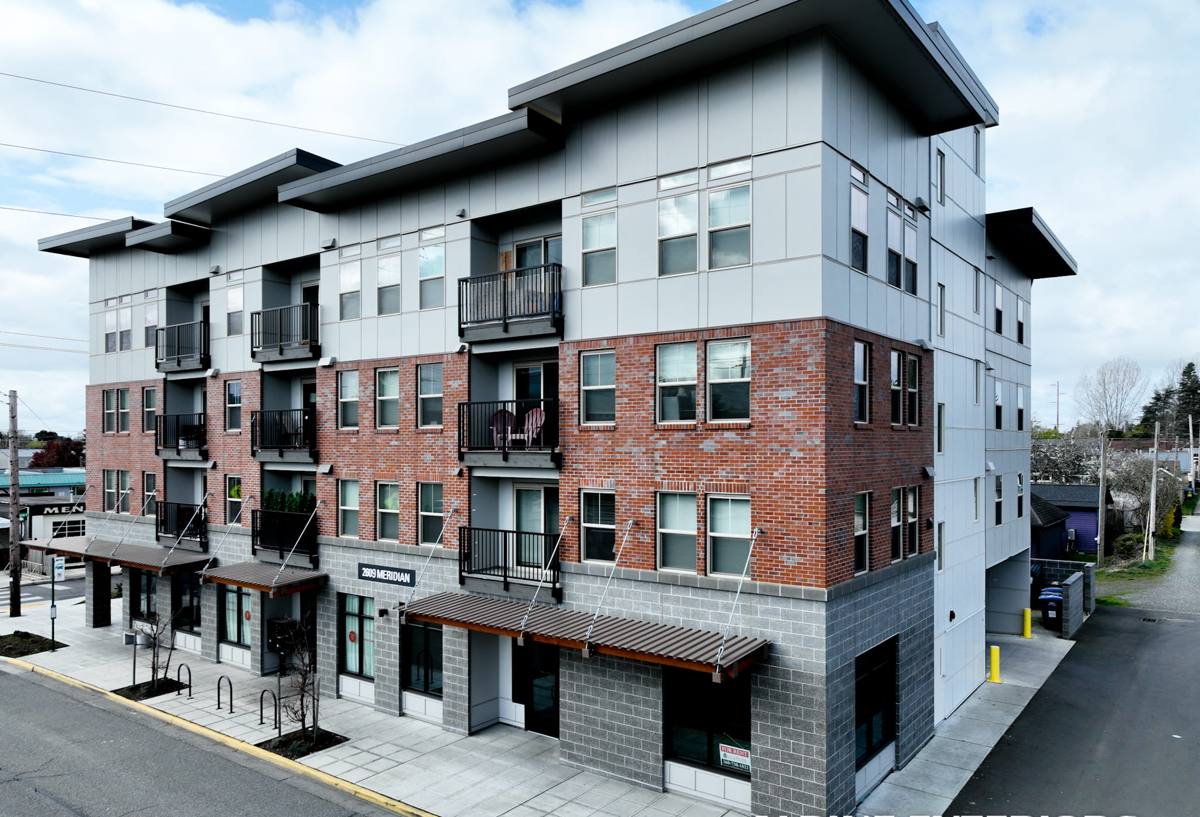
What Energy-Efficient Actually Means in a Marine Climate
"Energy-efficient" gets used as a catch-all marketing term, but the ratings behind it matter, and they matter differently here than they would in a hot, sunny climate.
U-Factor Is the Number That Matters Most
U-factor measures how well a window holds heat inside the house. In a climate where heating is the dominant cost for most of the year and cooling is rarely a major factor, a low U-factor is the single most important spec on the label. A window with a poor U-factor lets warmth bleed out through the glass and frame constantly, which shows up as a furnace that runs more than it should and cold spots near every window in the house.
Solar Heat Gain Coefficient (SHGC) Works Differently Here
SHGC measures how much solar heat passes through the glass. In sunnier climates, contractors often push for a low SHGC to keep houses cool. In a cloudy, overcast climate like this one, a moderate-to-higher SHGC on sun-exposed elevations can actually help by letting in free solar warmth during the limited sunny stretches, while shaded or north-facing windows lean more on U-factor and air sealing. This is a case where a one-size-fits-all recommendation is the wrong call — orientation matters.
Glass Packages and Gas Fills
Most energy-efficient replacement windows now come standard with dual-pane insulated glass, a low-E coating, and an argon or krypton gas fill between the panes. The low-E coating reflects radiant heat back into the room without noticeably darkening the glass, and the inert gas fill slows heat transfer compared to plain air. These aren't upgrades anymore — they're the baseline for a window worth installing in this climate.
Frame Materials: What Holds Up Near Salt Air
Frame material affects durability, maintenance, and long-term performance more than most homeowners expect, especially with salt air in the mix. Salt-laden moisture accelerates corrosion on metal hardware and can degrade certain finishes faster than it would further inland.
| Frame Material | How It Handles This Climate | Maintenance | Trade-Offs |
|---|---|---|---|
| Vinyl | Won't rot or corrode; handles moisture well | Low — occasional cleaning | Limited color options; can expand/contract with temperature swings |
| Fiberglass | Very stable dimensionally; strong resistance to moisture and salt exposure | Low | Higher upfront cost than vinyl |
| Wood-clad | Attractive interior wood look; exterior cladding protects from weather if intact | Higher — cladding seams and any exposed wood need monitoring | More vulnerable if cladding is damaged or improperly sealed |
| Aluminum | Poor thermal performance; prone to condensation and corrosion in salt air over time | Moderate to high | We generally don't recommend it for this climate outside of specific architectural needs |
For most Marietta homes, we steer clients toward vinyl or fiberglass because both resist the moisture and salt exposure this area sees without the ongoing maintenance that wood or bare aluminum demand. Wood-clad windows are still a legitimate choice for homeowners who want the interior look, but it's an honest trade-off — more upkeep in exchange for appearance, not a product we'd call wrong for the climate.
Why Installation Matters More Than the Window Itself
A high-performance window installed poorly will leak, fog, and underperform no matter what the label says. In an area with driving rain, the installation detailing is often more important than the brand of window.
Flashing and Water Management
Every window opening needs to be flashed so that any water that gets past the exterior cladding is directed back out, not into the wall cavity. This means proper sill pan flashing, correctly lapped house wrap or weather barrier at the head and jambs, and sealant placed only where it should trap water out — never where it traps water in. Driving rain off the water will find any gap in this sequence eventually.
Fitting, Shimming, and Squaring
A window that isn't shimmed level and square won't seal or operate correctly, even if it's the right product. Gaps left around an improperly fit frame become a path for both air leakage and moisture intrusion, undermining the energy performance you paid for.
Sealant and Insulation at the Rough Opening
The gap between the window frame and the rough opening needs to be insulated and air-sealed with the right material — not packed so tight it bows the frame, and not left open where drafts and moisture can travel. This is a small detail that has an outsized effect on both comfort and long-term durability.
Common Problems We See in Older Marietta Homes
Homes in this area tend to show a recognizable pattern of window issues by the time they're due for replacement:
- Single-pane or early dual-pane windows with failed seals, showing as permanent fogging or moisture between the panes
- Wood frames and sills with soft spots or rot near the bottom corners, where water sits longest
- Moss or dark mildew staining building up on window trim and sills in shaded, less-ventilated areas of the house
- Condensation on the inside of the glass during cold snaps, a sign of poor thermal performance rather than a humidity problem alone
- Hardware — locks, hinges, cranks — stiff, corroded, or failing well before the glass itself has any visible problem
- Visible daylight or drafts at the frame edges once weatherstripping has compressed and hardened with age
Any one of these is worth a look. Several together usually mean it's more cost-effective to replace than to keep patching.
How We Approach a Marietta Window Replacement
We keep the process straightforward and focused on getting the details right, not on upselling.
1. On-Site Assessment
We look at each window opening individually — framing condition, existing flashing, signs of past water intrusion, and how the opening interacts with the siding and weather barrier around it. Not every window on a house needs the same fix.
2. Product Selection Based on Orientation and Exposure
We factor in which elevation each window is on, how exposed it is to weather and salt air, and what performance priorities matter most there — this is where the U-factor and SHGC discussion from earlier becomes a practical decision, not just a spec sheet.
3. Correct Installation Sequence
Removal, opening prep, flashing, setting and shimming the unit, air sealing, and exterior trim and sealant work — done in the right order so water always has somewhere to go besides your wall cavity.
4. Final Check and Cleanup
Every window is operated, checked for square, and inspected for a clean, weathertight seal before we consider the job finished. Job site cleanup includes removal of old windows and debris.
What Affects the Cost of a Window Project
Costs vary widely by scope, but the main factors are consistent from house to house:
| Factor | Why It Affects Price |
|---|---|
| Frame material | Vinyl is generally the most budget-friendly; fiberglass and wood-clad cost more upfront |
| Glass package | Upgraded low-E coatings, gas fills, and tempered or laminated glass add cost but improve performance and safety where required |
| Number and size of windows | Larger openings and whole-house projects have more material and labor per unit but often better overall value |
| Condition of the existing opening | Rot repair, reframing, or re-flashing damaged openings adds labor beyond the window itself |
| Trim and exterior detailing | Matching existing trim profiles or coordinating with siding work affects finish labor |
| Access and site conditions | Second-story windows or tight access can add time and equipment needs |
We provide a written estimate that breaks these factors down by opening so you know exactly what you're paying for and why, rather than a single lump number.
Why It Matters That We Already Work in Marietta
A window installer who mainly works inland or in drier climates can still install a window correctly on paper and still get the flashing detail wrong for what this area actually experiences. Crews that regularly work Whatcom County's coastal and near-coastal neighborhoods, including Marietta, have already seen how salt air affects hardware finishes over time, how driving rain finds gaps in flashing that would never leak in a calmer climate, and how moss and moisture patterns show up on specific elevations of a house. That local pattern recognition is what keeps a project from becoming a callback.
We're also familiar with the permitting and code expectations that apply to window replacement in this part of the county, which keeps projects moving without avoidable delays.
Get a Free, No-Pressure Estimate
If your Marietta home has windows showing fog, drafts, stiff hardware, or moss and staining around the frames, it's worth a straightforward look before winter weather makes the problem worse. Fill out the form below for a free estimate — we'll walk the exterior with you, point out what we see, and give you honest options with no pressure to act on the spot.