 Semiahmoo Siding
 Windows in Sumas Work Harder Than People Think
Sumas sits in the part of Whatcom County where marine weather off the Salish Sea and inland moisture patterns both take their turn on a house. Homes here deal with salt-laden air drifting in from the coast, long stretches of driving rain in fall and winter, and a moss season that can run half the year on shaded north and west walls. Windows are one of the first components to show the wear from all of it — long before siding or roofing problems become obvious, a homeowner will usually notice it at the window first: a stuck sash, a foggy pane, a soft spot in the sill.
A window that's correctly installed for this climate isn't just about the glass. It's about how the unit is flashed, sealed, and tied into the wall assembly so that wind-driven rain and constant humidity can't work their way behind the frame. That's the part of the job that doesn't show up in a showroom, and it's the part that determines whether a window lasts fifteen years or thirty.
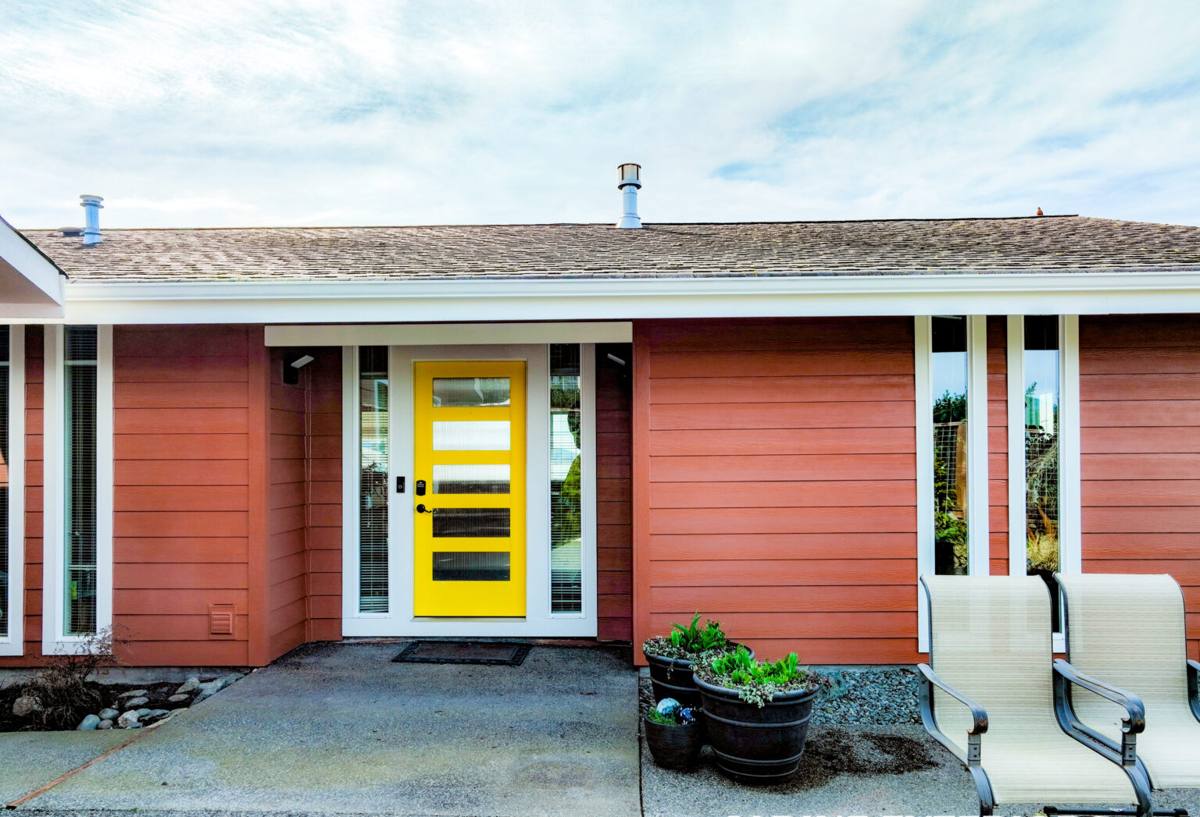
What the Local Climate Does to a Window Over Time
Salt Air
Airborne salt accelerates corrosion on hardware, screens, and lower-grade metal components. It also breaks down cheap sealants faster than inland installations, which is why the caulk and gasket materials used matter more here than in a dry climate.
Driving Rain
Wind-driven rain doesn't fall straight down — it gets pushed sideways into the wall, right at the window's weak points: the corners of the frame, the bottom sill, and any gap between the window and the rough opening. If flashing and sealing weren't done correctly at install, this is where water gets in, often silently, for years before it shows on drywall.
Moss and Sustained Moisture
Shaded exterior walls in this area stay damp long after a storm passes. Moss and mildew take hold on window sills, trim, and any wood that isn't well-sealed or well-drained, which speeds up rot in wood-frame and wood-clad windows especially.
Signs a Window Is Losing the Fight
- Fogging or a milky haze between the panes (failed seal on a double- or triple-pane unit)
- A window that's hard to open, close, or lock — frames swell and warp with moisture cycling
- Soft, spongy, or discolored wood at the sill or lower corners
- Visible moss, black staining, or mildew on the exterior trim around the frame
- A draft you can feel with your hand near the frame on a windy day
- Condensation forming on the interior glass or sill during cold snaps
Any one of these on its own might just mean the window needs attention. Several of them together, especially on a house more than 15-20 years old, usually means the original installation has reached the end of what caulk and weatherstripping can fix.
What a Correct Installation Actually Involves
Swapping a window is easy to describe and easy to do poorly. The parts that separate a durable install from one that fails in five years are mostly hidden once the trim goes back on:
- Sill pan flashing — a sloped, waterproof pan under the window that directs any water that does get past the frame back outside instead of into the wall cavity.
- Proper integration with the water-resistive barrier — the house wrap or building paper has to be shingled correctly around the window opening so water sheds downward and outward, not into the framing.
- Correct shimming and leveling — an out-of-square or racked frame stresses the sash, causes premature seal failure, and makes the window hard to operate within a few years.
- Low-expansion foam and backer rod, not just caulk — insulating the gap between the frame and rough opening without bowing the frame in, paired with sealant on the exterior that's rated for this climate's UV and moisture exposure.
- Weep paths kept clear — most window frames are designed to drain incidental moisture back out; blocking those paths during install traps water instead of shedding it.
Skip any one of these steps and the window can still look fine on installation day. The problems show up later, usually as interior water damage that's expensive to trace back to its source.
Choosing the Right Window for This Climate
There isn't one "best" window material — there's a best fit for a given wall, exposure, and budget. Here's how the common options generally compare for a coastal Whatcom County home:
| Frame Material | Moisture Behavior | Maintenance | Typical Trade-Off |
|---|---|---|---|
| Vinyl | Won't rot; doesn't corrode from salt air | Low — occasional cleaning | Frame can expand/contract with temperature swings; color and sightline options are more limited |
| Fiberglass | Very stable in moisture and temperature; strong seal longevity | Low | Higher upfront cost than vinyl |
| Wood (unclad) | Attractive but vulnerable to the exact conditions Sumas sees most — rain and shade-driven moss | High — regular repainting/sealing | Best reserved for protected elevations, not full weather exposure |
| Wood-clad (exterior aluminum/vinyl shell) | Good, as long as the cladding and end caps are sealed correctly | Moderate | Cladding failure at joints can trap moisture against the wood core if not installed carefully |
| Aluminum | Durable but conducts cold and can promote interior condensation without a thermal break | Low | Better suited to specific architectural styles than general residential replacement |
We install several manufacturer lines rather than pushing one brand on every home, because the right frame material and glass package depends on the wall's sun exposure, how sheltered it is from wind-driven rain, and what the homeowner wants to maintain long-term. We'll walk through the honest trade-offs for your specific walls rather than defaulting to whatever's easiest to sell.
Glass Packages: What Actually Matters Here
For this region, the glass spec matters as much as the frame:
- Double-pane, low-E, argon-filled is the standard baseline for most homes in this area and performs well for both energy efficiency and condensation resistance.
- Triple-pane adds a meaningful step up in insulation and noise reduction, most worth it on north- and west-facing walls that catch the brunt of wind-driven rain and cold, or on homes closer to the water where wind load is higher.
- Impact-resistant or laminated options aren't a requirement here the way they are in hurricane zones, but some homeowners choose them for added security and sound dampening rather than storm rating.
Our Installation Process
- On-site assessment — we look at each window opening individually: existing flashing condition, sill and framing health, sun and wind exposure on that specific wall.
- Product selection — we go over frame material, glass package, and options based on that wall's exposure and your budget, not a one-size-fits-all recommendation.
- Removal and opening inspection — once the old window is out, we check the rough opening and framing for hidden rot or water damage before anything new goes in. This is often where problems that caused the original failure get found.
- Repair as needed — any soft framing, damaged sheathing, or compromised water barrier gets addressed before the new window goes in. Installing a new window into a wet or rotten opening just resets the clock on the same failure.
- Sill pan and flashing installation — built and integrated to shed water outward and downward, tied properly into the existing water-resistive barrier.
- Setting, shimming, and leveling the window — squared and secured so the sash operates correctly for the life of the unit.
- Insulating and sealing — low-expansion foam at the gap, exterior sealant rated for sustained moisture and UV exposure.
- Trim and finish work — interior and exterior trim reinstalled or replaced, caulked, and finished to match the home.
- Final walkthrough — every window operated and checked with you before we consider the job done.
Cost Factors for a Sumas-Area Window Project
Every home is different, but the line items that actually move the price are consistent:
| Factor | Why It Affects Cost |
|---|---|
| Frame material (vinyl vs. fiberglass vs. wood-clad) | Material cost and long-term durability differ significantly |
| Glass package (double vs. triple-pane) | More panes and coatings add cost but improve comfort and performance |
| Number of window openings | Per-unit cost typically drops on larger whole-house projects |
| Condition of the rough opening | Hidden rot or water damage found during removal adds repair labor before the new window goes in |
| Wall exposure and access | Second-story, hard-to-access, or heavily exposed walls take more time to flash and finish correctly |
| Trim and finish scope | Matching existing trim profiles or repainting/staining adds labor beyond the window swap itself |
We give a written, itemized estimate before any work starts, so you know exactly what you're paying for and why — not a single lump number with no breakdown.
Checklist: What to Confirm Before You Hire Anyone
- Do they inspect the rough opening after removal, or just swap window for window?
- Do they explain their flashing and sill pan approach, or wave the question off?
- Are they licensed and insured for work in Washington, and will they show you proof?
- Do they give a written, itemized estimate — not just a verbal number?
- Can they explain the trade-offs between frame materials for your specific walls, rather than pushing one product?
- Do they warranty their installation labor separately from the manufacturer's product warranty?
Why Local Experience Matters for This Job
A window installer who works this specific stretch of Whatcom County regularly knows which walls take the worst of the wind-driven rain, how aggressively moss and moisture build up on shaded elevations through the wet season, and what kind of flashing and sealant actually hold up against salt-laden air over years, not just on installation day. That's not something you get from a general contractor who installs windows occasionally between other jobs in a different climate. It shows up in the small decisions — how a sill pan is sloped, which sealant is used where, how trim is detailed to shed water instead of collecting it — the decisions that determine whether the install is still watertight a decade from now.
Protecting the Investment After Installation
A correctly installed window still benefits from basic upkeep in this climate:
- Clear moss and debris from sills and trim before it holds moisture against the frame
- Check exterior caulking annually, especially after the first hard winter
- Keep weep holes clear of dirt and debris so incidental water can drain
- Operate each window a few times a year, even ones you rarely open, to keep hardware and seals in working condition
If you're dealing with drafts, fogged glass, or a sticking window in the Sumas or greater Semiahmoo area, we're happy to take a look and give you a straight, no-pressure assessment of what's actually going on and what it would take to fix it right. Use the form below to request a free estimate.