 Semiahmoo Siding
 Windows Built for the California Creek Climate
California Creek sits in that stretch of Whatcom County where marine air off Semiahmoo Bay and Drayton Harbor meets low-lying, creek-fed ground and heavy tree cover. That combination is hard on windows in ways that inland homes never deal with. You've got salt-laden air working corrosion into hardware and frames, driving rain that gets pushed sideways by wind off the water, and a moss and algae season that runs most of the year in the shaded, damp lots near the creek corridor. Old single-pane or early dual-pane windows in this area don't just waste energy — they let in moisture that rots the framing around them long before the glass itself fails.
An energy-efficient window job out here isn't just about a better U-factor on paper. It's about picking frame materials and glazing packages that hold up to salt exposure, installing with flashing details that actually shed wind-driven rain instead of trapping it, and sealing the unit into the wall assembly so moisture can't migrate behind your siding. Get any one of those wrong and you end up with a window that looks new but performs like the one it replaced.
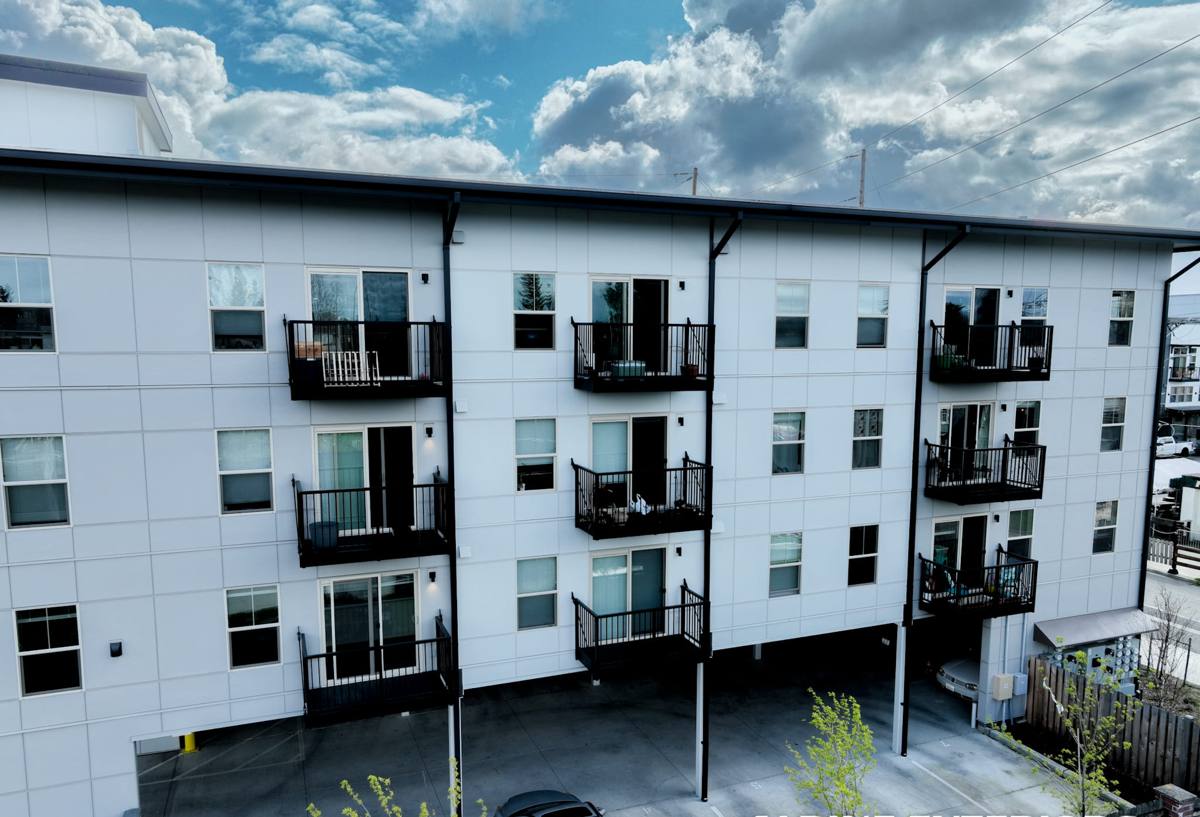
What Local Homes Actually Need From New Windows
Moisture Management First, Efficiency Second
It sounds backwards, but in a spot like California Creek, keeping water out of the wall assembly matters more than shaving another point off your energy bill. A window with excellent glass but a lazy installation will still let bulk water behind the trim during a hard southwesterly rain. We treat flashing, sill pans, and sealant joints as the real efficiency work — the glass package is only as good as the water management around it.
Condensation Control in a Humid Marine Climate
Homes near the creek and the bay run higher ambient humidity for more of the year than homes further inland. That means the interior condensation resistance of a window — not just its winter R-value — matters for keeping sills and frames dry and mold-free. Warm-edge spacers and the right gas fill in the sealed unit make a visible difference here, especially in bedrooms and bathrooms with less airflow.
Standing Up to Salt Air
Proximity to Semiahmoo Bay means airborne salt settles on everything, including window hardware, screens, and exposed fasteners. Cheaper hinges, cranks, and locking hardware corrode faster here than they would twenty miles inland. It's worth spending a little more on hardware finishes and frame materials rated for coastal exposure rather than replacing hardware again in five years.
What a Correct Installation Involves
A window replacement is really three jobs stacked together: removing the old unit without damaging the rough opening, building a water-tight opening, and setting the new window so it performs the way its rating promises. Skipping steps in the middle is the single biggest reason "new" windows still leak or fog within a few years.
- Remove old sash and frame carefully, checking the rough opening for rot, especially at the sill — common in older California Creek homes built before better flashing practices were standard
- Repair or rebuild any soft framing before a new window goes anywhere near the opening
- Install a sloped sill pan so any water that does get past the exterior seal drains back outside instead of pooling
- Integrate window flanges with the home's weather-resistive barrier using proper flashing tape sequencing (bottom, sides, then top) — this shingle-lap order is what actually stops wind-driven rain
- Shim and level the unit so it operates smoothly and seals evenly around the full perimeter
- Insulate the gap between frame and rough opening with low-expansion foam or backer rod, not just fiberglass batting, to cut air infiltration
- Seal and caulk exterior trim with a sealant rated for the temperature swings and UV exposure this climate sees
- Test operation and locking hardware before calling the job done
Frame Material Trade-Offs for This Area
| Frame Material | How It Holds Up Near the Bay | Maintenance | General Cost Position |
|---|---|---|---|
| Vinyl | Good salt-air resistance, won't corrode; can expand/contract with temperature swings | Low — occasional cleaning | Lower to mid |
| Fiberglass | Excellent stability and corrosion resistance; handles moisture well | Low | Mid to higher |
| Wood-clad | Attractive but cladding seams need attention in high-moisture, salt-exposed settings | Higher — watch cladding joints and interior wood | Higher |
| Aluminum | Prone to corrosion and thermal transfer near the water; not our first recommendation here | Moderate to high | Varies |
We don't push aluminum-frame windows for homes this close to the bay — not because the product is bad everywhere, but because bare or poorly-finished aluminum conducts cold and corrodes faster under regular salt exposure, which shows up as pitting and stiff hardware within a handful of years. Vinyl and fiberglass consistently give California Creek homeowners a better long-term result for the money.
Glass and Glazing Choices That Make Sense Here
For this climate, we generally steer homeowners toward double-pane units with a low-E coating tuned for the Pacific Northwest — one that balances winter heat retention with summer solar control, since this area does get warm, bright stretches in summer despite the wet reputation. Argon-filled sealed units with warm-edge spacers help with both energy performance and condensation resistance on cooler mornings.
When Triple-Pane Makes Sense
Triple-pane glass adds real value on north-facing walls, rooms close to the water with more wind exposure, or homes where road or wind noise off open fields near the creek is a factor. It's not always worth the added cost on every elevation, and we'll tell you honestly when a good double-pane unit gets you most of the benefit for less money.
Moss, Algae, and Window Longevity
The heavy tree cover and near-constant dampness around California Creek mean moss and algae growth isn't limited to roofs and siding — it creeps onto window sills, tracks, and trim, especially on shaded north and east-facing walls. Beyond the cosmetic issue, trapped organic growth holds moisture against frames and sealant joints, which shortens their service life. Part of doing this job right is choosing trim and sill details that shed water and dry out quickly rather than holding moisture against the window for weeks at a time during our wetter months.
Our Process for California Creek Homes
- On-site assessment — we look at your existing windows, framing condition, sun exposure, and how exposed the home is to wind and rain off the bay
- Honest recommendation — frame material, glazing package, and installation approach based on your home's actual exposure, not a one-size-fits-all pitch
- Written estimate — clear scope, materials, and price before any work starts
- Opening prep and repair — addressing any hidden rot or flashing issues found once old windows come out
- Installation — proper flashing sequence, sealing, and insulation as described above
- Final walkthrough — operation check, hardware check, and a look at the finished exterior detailing together
Why Local Experience Matters for This Job
Window replacement looks similar everywhere on paper, but the failure points are local. A crew that mainly works drier, inland climates may not think twice about flashing sequencing or sill pans because they've rarely had to fix the callback from skipping them. Working California Creek and the greater Semiahmoo area regularly means we've seen how homes here actually fail — where water gets in during a hard nor'wester, which sills rot first, which hardware corrodes fastest — and we build that into every installation instead of learning it after the fact on your house.
We also know the practical side: permitting expectations in Whatcom County, how older Semiahmoo-area homes were typically framed and flashed, and what it takes to match new window sightlines and trim to an existing exterior without the job looking patched together.
Signs Your Current Windows Are Costing You
- Visible fog or moisture between panes of a sealed unit — the seal has failed
- Drafts you can feel near the frame even with the window latched
- Sills that stay damp or show soft spots, staining, or moss growth
- Windows that are hard to open, close, or lock — often a sign of frame warping or corroded hardware
- Noticeably higher heating bills compared to similar-sized homes with newer windows
- Condensation forming on the inside glass regularly during cooler months
Any one of these on its own might not be urgent. Several at once usually means the windows are past the point where sealing or minor repair makes sense, and replacement becomes the more cost-effective path.
If you're weighing options for your California Creek home, we're happy to take a look and give you a straight assessment — no pressure, no upsell script. Fill out the form below for a free estimate and we'll walk the property with you.