 Semiahmoo Siding
 Fiber Cement Siding for Custer Homes
Custer sits inland from Semiahmoo Bay but not far enough to escape what that proximity does to a house. Salt-tinged marine air still reaches most properties in and around town, wind-driven rain still finds its way into wall assemblies that aren't detailed for it, and the moss season here runs long enough that it's less a seasonal nuisance than a year-round maintenance line item for a lot of homeowners. Fiber cement siding is a good match for that environment, but "fiber cement" covers a range of products and installation quality, and the difference between a correct install and a rushed one usually doesn't show up until a few wet seasons in.
This page is about one thing specifically: James Hardie fiber cement siding, installed on homes in Custer, done to the standard this climate actually requires. We don't install other brands or other siding categories, and we'll get into why further down. First, what the material needs to do here.
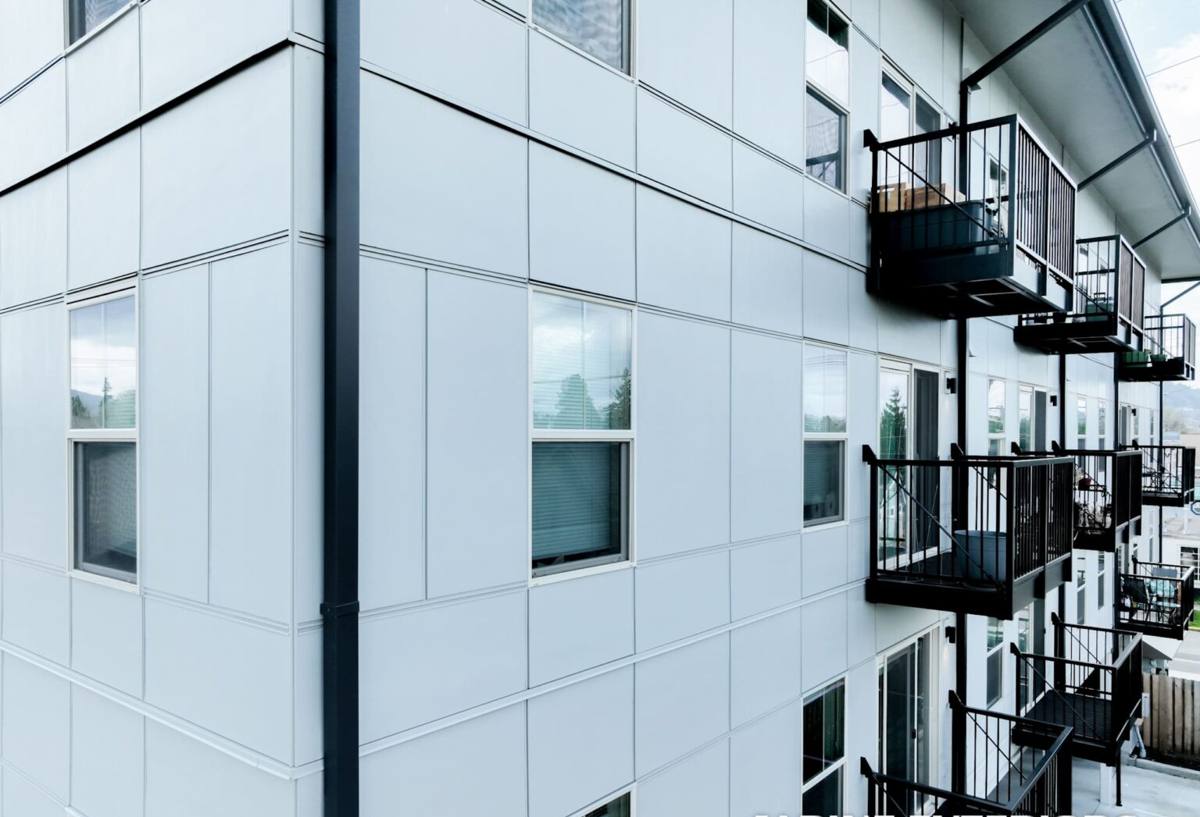
What Custer's Climate Asks of a Siding System
Salt Air That Reaches Past the Waterfront
Custer isn't a waterfront town in the way Semiahmoo or Blaine's shoreline properties are, but it's close enough to Semiahmoo Bay and the Strait of Georgia that salt-laden air is a routine part of the exposure on most lots, not just the ones closest to the water. Salt accelerates corrosion on fasteners, flashing, and trim hardware, and it wears down lower-quality finishes faster than a drier inland market would ever see. A siding product's coating system needs to be built for that exposure from the start, not just tolerate it for a few years.
Wind-Driven Rain Into Joints and Laps
Rain in this part of Whatcom County rarely falls straight down for long. Wind pushes it sideways into lap joints, trim, and window and door flashing, which is a harder test than a simple annual rainfall total suggests. Siding that depends on an intact caulk line or a tight-fitting seam to stay dry is exactly the kind of detail that wind-driven rain is good at finding a way past.
A Moss Season That Doesn't Really End
Mild temperatures and steady moisture keep moss and mildew active across most of the calendar year, especially on shaded, tree-lined lots, which describes a good share of Custer properties. Organic growth on a siding surface holds moisture against the wall behind it, and that trapped moisture is where a lot of long-term problems, from soft trim to failed paint, actually get their start.
Why We Install James Hardie and Not Other Siding Products
We used to offer a wider range of siding materials. We stopped after seeing, on repeated service calls and tear-offs in this specific climate, which products held up and which ones started showing problems within a handful of wet seasons. That experience is the entire reason behind the standard below, not a supplier relationship or a marketing angle.
- Vinyl siding is inexpensive and low-maintenance in milder climates, but it relies on lapped, non-sealed joints that aren't built to shed wind-driven rain the way this area regularly delivers it, and it can warp or distort under sustained heat and cold cycling.
- LP SmartSide and other engineered wood products use a treated wood-fiber core that depends on the factory coating and every field-cut edge staying sealed for decades. In a climate where wet weather is the default, that's a lot of ongoing maintenance riding on a wood-based core.
- Cedar and primed spruce are genuine, traditional materials, but they're organic, combustible, and dependent on a paint or stain schedule that has to be kept up consistently. Moss finds an organic surface especially hospitable in a climate that stays damp most of the year.
- Cemplank and Allura are other fiber cement manufacturers, and fiber cement as a category is the right direction. We standardized on James Hardie specifically for its factory-applied ColorPlus finish, its climate-engineered HZ5 product line, and the depth of its warranty and installer support in this region.
None of that is a claim that these other products are junk, or that other contractors who install them are doing something wrong. It's a professional decision we made about what we're willing to stand behind fully on homes in a climate this consistently wet and salt-exposed.
What James Hardie Fiber Cement Brings to a Custer Home
Fiber cement is a blend of Portland cement, sand, and cellulose fiber, cured into rigid boards. Because it's inorganic, it doesn't have a wood-based core that can swell, rot, or feed insects the way organic siding materials can, and it doesn't move with humidity and temperature the way vinyl and wood-based products do. It's also non-combustible, which is worth factoring into insurance conversations even this far from wildfire-prone terrain.
| Property | Why It Matters in Custer |
|---|---|
| Dimensionally stable core | Doesn't swell or cup at seams during Whatcom County's long wet stretches |
| Factory-applied ColorPlus finish | Baked-on color resists fading and chalking better than field-applied paint exposed to salt air and UV |
| HZ5 climate engineering | Formulated for regions with sustained moisture and freeze-thaw cycling, which matches this area's winters |
| Non-combustible core | No wood-based or petroleum-based material to feed a fire |
| Transferable limited warranty | Coverage generally moves to the next owner if the home sells within the warranty period |
What a Correct Fiber Cement Installation Involves
Fiber cement's real-world performance depends heavily on installation quality, and we're upfront that the material doesn't do all the work by itself. A rushed install can undercut even a well-engineered product.
- Manufacturer-specified clearances from grade, roofline, and decks to keep splash-back and standing moisture away from board edges
- Correct fastener type, spacing, and depth so the boards stay secure without cracking
- Properly lapped flashing at every window, door, and penetration to direct wind-driven rain away from seams
- Factory-cut edges used wherever possible, with any field-cut edges primed and sealed before installation
- A drainage gap or rainscreen behind the siding so moisture that gets past the surface can dry out instead of sitting against the wall
- Joints and corners detailed to Hardie's published spec for this climate zone, not a generic national standard
Skip any one of these and the wall can still look right for a season or two. The problems that follow — staining at seams, soft trim, premature finish wear — take a few wet seasons to show themselves, which is exactly why they're easy for a corner-cutting install to get away with until the homeowner is the one dealing with it later.
Our Process for a Custer Siding Project
On-Site Assessment
We walk the property and look at how the existing siding and wall assembly have handled moisture and salt exposure over time, including which sides of the home face prevailing wind and rain and which stay shaded and slower to dry. Any hidden rot or drainage problems found at this stage get addressed before new siding goes up, not buried underneath it.
Written Scope and Plan
Before any material gets ordered, we put together a clear scope covering flashing details, fastener spec, drainage detailing, and how the new siding will meet windows, trim, and rooflines. Working this out on paper first avoids field improvisation, which tends to be where corners get cut on other jobs.
Installation to Manufacturer Spec
Every fastener, clearance, and flashing lap follows James Hardie's published installation requirements for this climate zone. That's what keeps the manufacturer's warranty valid, and it's also just what makes the wall perform the way it's designed to for decades instead of years.
Final Walkthrough
We walk the finished job with you, cover what little ongoing maintenance fiber cement actually needs, and make sure you know what a properly finished seam and joint looks like if you ever want to check it yourself down the road.
Why a Crew That Already Works Custer Matters
A contractor who's installed siding across Custer and the surrounding stretch of Whatcom County through multiple wet seasons has already seen which orientations need extra flashing attention because of shade and tree cover, how much rainscreen clearance actually earns its keep in a climate this damp versus what a generic install guide suggests, and where salt exposure from Semiahmoo Bay reaches further inland than homeowners expect. That kind of judgment doesn't show up on a spec sheet. It's the difference between a wall that still looks and performs the same in twenty years and one that's showing seam staining and soft trim within five.
Cost Factors for Fiber Cement Siding in This Area
Fiber cement typically costs more upfront than vinyl and is comparable to or somewhat above engineered wood, reflecting the heavier material and more labor-intensive install. A few things move the price on a specific Custer home:
| Factor | Why It Matters |
|---|---|
| Wall height and complexity | More corners, dormers, and transitions mean more cuts and flashing details |
| Existing wall condition | Rot or moisture damage found during tear-off needs repair before new siding goes up |
| Siding profile chosen | Lap, shingle, and panel profiles differ in material and labor requirements |
| Trim and window detailing | More openings mean more flashing and finish work around each one |
| Site access | Tree cover, tight lot spacing, or difficult access can add labor time |
We'll walk your specific home and give real numbers rather than a rough per-square-foot estimate, since two houses with similar square footage can have very different costs depending on how many of these factors are actually in play.
A Simple Checklist Before You Commit
Whether you end up hiring us or another contractor, these are worth asking before you sign anything:
- Ask what siding material and product line is being proposed, and whether it's engineered for this climate zone
- Ask whether the installer is manufacturer-certified for the specific product, not just generally experienced with siding
- Ask what the warranty actually covers, whether it's prorated, and whether it transfers if you sell the home
- Ask how flashing gets detailed at windows, doors, and roof-to-wall transitions for wind-driven rain
- Get a written scope of work before any contract is signed
If you're weighing a re-side in Custer, we're glad to walk the property, look at what's on the walls now, and give you a straight answer about what it actually needs. Reach out using the form below to schedule a free, no-pressure estimate.