 Semiahmoo Siding
 Siding Built for a Lake Climate, Not Just a Coastal One
Homes around Wiser Lake deal with a specific combination of conditions that a lot of siding products simply weren't engineered for. You've got the broader Whatcom County weather pattern — long stretches of driving rain, salt-tinged air moving in off the Sound, and a moss season that can run most of the year in shaded, damp spots. Then you add the lake itself: morning fog that sits low over the water, elevated humidity that lingers on tree-covered lots, and shaded north and east elevations that stay wet long after the rest of the yard has dried out.
That combination is hard on siding. Wood-based products absorb moisture and swell. Vinyl can warp and doesn't hold up well against sustained UV and temperature swings near open water. Anything with a job-site-applied paint finish is only as good as the coat that went on it, and that coat starts breaking down the moment it's exposed to this kind of weather cycle. Fiber cement, installed correctly and finished right, is one of the few siding materials that's actually built to shrug off this environment for decades rather than years.
What "Correct" Fiber Cement Installation Actually Means Here
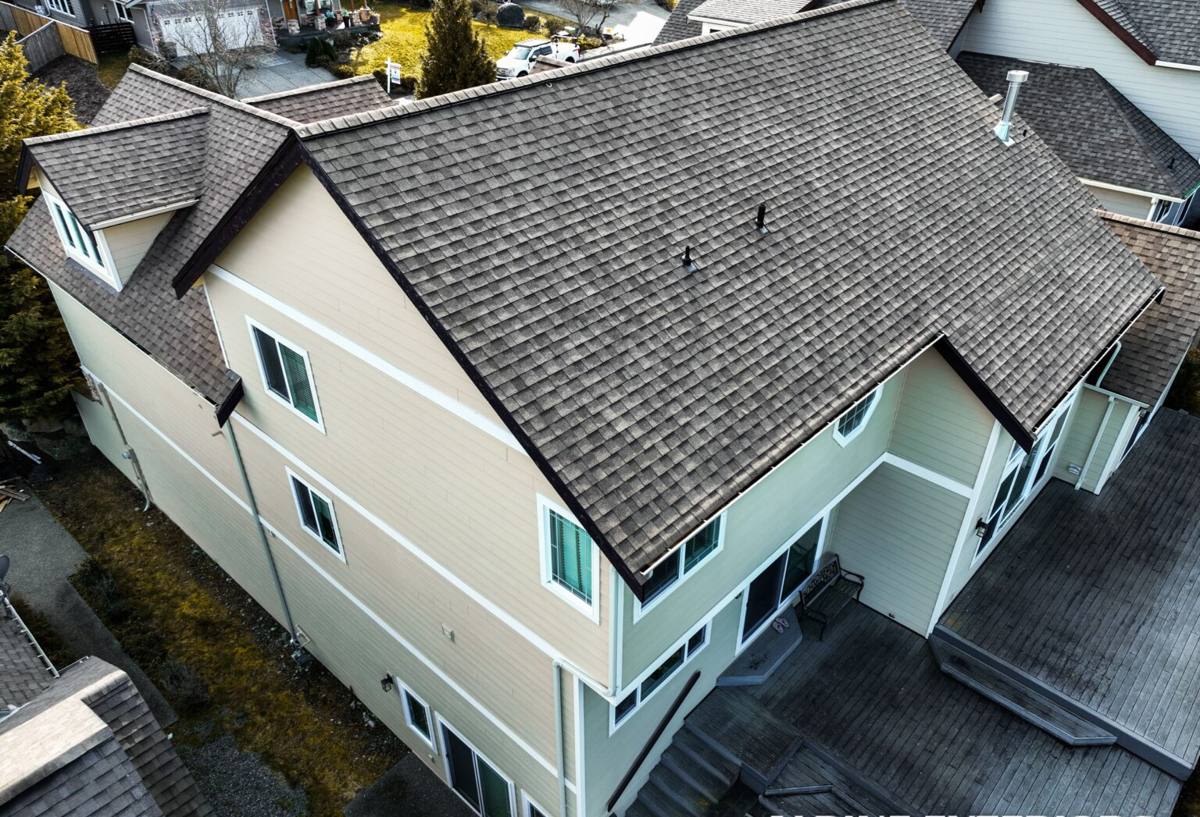
Fiber cement siding is only as good as the details behind it. A lot of siding failures we get called out to inspect aren't material failures — they're installation shortcuts that let water get where it shouldn't. Around Wiser Lake, where humidity and rain exposure are both elevated, those details matter more than they would in a drier part of the state.
The details that actually matter
- A drainage plane behind the siding. A weather-resistive barrier and, ideally, a rain screen gap so any moisture that gets behind the panels has somewhere to drain and dry out instead of sitting against the wall sheathing.
- Correct clearances. Siding held up off the roofline, deck, and grade per manufacturer spec — not tight to them — so water doesn't wick up into the board from below.
- Flashing at every penetration. Windows, doors, hose bibs, light fixtures, and vents all need proper flashing and sealant, not just caulk smeared over a gap.
- Fastener placement and spacing to spec. Overdriven or misplaced nails crack the board's factory coating and create entry points for moisture.
- Factory-primed cut edges sealed in the field. Every field cut exposes raw fiber cement; that edge needs to be sealed before the board goes up, not after.
Skip any one of these steps and you can still end up with moisture damage behind a material that's otherwise rated to handle this climate. That's why we treat installation technique as seriously as the product choice itself.
Why James Hardie Is the Only Product We Put on Wiser Lake Homes
We install James Hardie fiber cement exclusively — no LP SmartSide, no vinyl, no primed wood, no other fiber cement brand. That's not a sales preference, it's a standard we've held to because of what this climate does to alternatives over time.
Engineered wood products like LP SmartSide use a wood-strand core, which means the core is still wood at the end of the day. In a low-humidity, dry climate that's manageable. In a lake-adjacent environment with sustained damp conditions and moss pressure, any breach in the coating — a cracked caulk joint, a fastener hole, a hairline gap at a butt seam — gives moisture a path into a material that will swell and eventually rot from the inside. Vinyl doesn't rot, but it flexes with temperature swings, can crack in impact-prone areas, and its color is baked into a thin sheet with no real ability to hold a factory finish the way fiber cement can. Fiber cement itself varies by manufacturer — cement, sand, and cellulose fiber formulations aren't identical across brands, and the finish system applied over that substrate is where most of the long-term performance difference actually shows up.
James Hardie is non-combustible, doesn't support the kind of moisture-driven decay that wood-based sidings can, and its ColorPlus factory finish is baked on in a controlled environment rather than sprayed or rolled on-site. That finish is backed by a real, transferable warranty — which matters if you ever sell the house. For a lake community with year-round moisture exposure, that combination is the reason we standardized on it and stopped installing anything else.
HardieZone: Matched to This Region, Not a One-Size Product
James Hardie manufactures its siding in different formulations for different climate zones — this is called the HardieZone system. Whatcom County falls in the HZ5 zone, engineered for cooler, wetter climates with real freeze-thaw cycles, as opposed to the HZ10 formulation built for hot, humid southern regions. Getting the zone-correct product matters: an HZ10 board shipped into a Pacific Northwest lake environment isn't engineered for the moisture and temperature cycling it would actually see here. We only order HZ5 product for Wiser Lake installs.
Product Lines We Work With
| Product | Best Use | Why It Fits This Area |
|---|---|---|
| HardiePlank Lap Siding | Primary wall siding, most homes | Traditional lap profile, factory-finished, handles sustained rain exposure well |
| HardiePanel Vertical Siding | Accent walls, gables, modern facades | Fewer horizontal seams for water to track along on exposed elevations |
| HardieTrim Boards | Corners, window and door trim, fascia | Matches the siding's moisture resistance so trim doesn't become the weak point |
| HardieSoffit Panels | Eaves and overhangs | Resists the moss and mildew buildup common on shaded, damp overhangs near the lake |
How the Job Actually Runs
1. On-Site Assessment
We start by walking the exterior and identifying moisture-prone areas specific to your lot — shaded north walls, low spots where moss has taken hold, areas near grade, and any current signs of trapped moisture behind existing siding.
2. Tear-Off and Sheathing Check
Old siding comes off and we inspect the sheathing underneath before anything new goes up. If there's rot or water damage from years of prior exposure, it gets repaired now — covering it over with new siding doesn't make it go away.
3. Weather Barrier and Drainage Plane
A new weather-resistive barrier goes on, with a rain screen gap where the wall assembly calls for one, so the wall can dry to the outside if moisture ever gets behind the cladding.
4. Trim, Flashing, and Panel Installation
Trim and flashing go in first at all penetrations and transitions, then HardiePlank or HardiePanel installed to Hardie's fastening and clearance specifications — not shortcuts, not "close enough."
5. Final Detailing and Walkthrough
Caulking at the joints that need it, touch-up on any field-cut edges, cleanup, and a walkthrough so you know exactly what was done and what maintenance (if any) it needs going forward.
Signs Your Current Siding Is Already Losing the Fight
If your home is on or near Wiser Lake and has original wood, older vinyl, or an engineered wood product installed more than a decade ago, it's worth checking for these before they turn into a bigger repair:
- Soft or spongy spots when you press on the siding, especially near the bottom courses or under windows
- Persistent moss or dark streaking that comes back within weeks of cleaning
- Bubbling, peeling, or chalking paint that wasn't there a few years ago
- Visible gaps, warping, or separation at butt joints and corners
- A musty smell near exterior walls inside the home, which can indicate moisture already behind the siding
Cost Factors for a Wiser Lake Siding Project
| Factor | Why It Affects Price |
|---|---|
| Home size and wall complexity | More square footage and more corners, gables, and dormers mean more cutting, trim, and labor |
| Condition of existing sheathing | Hidden rot found during tear-off requires repair before new siding can go on |
| Siding profile and accessories chosen | Lap vs. panel, trim width, and soffit work all shift material and labor totals |
| Site access | Lakefront lots, steep grades, or limited driveway access can add setup time |
| Removal and disposal | Tearing off old wood or vinyl versus siding over an already-clean surface changes scope |
We give a written, itemized estimate after the on-site walkthrough — not a ballpark over the phone — because these variables genuinely change the number for every home.
Why a Crew That Already Works Wiser Lake Matters
A contractor who mostly works drier inland areas of Whatcom County will still know how to hang a straight board, but they may not automatically account for the extra drainage detailing this lake environment calls for, or budget the right amount of time for moss and mildew remediation on shaded elevations before new siding goes up. A crew that's already worked homes in this specific area knows which wall orientations around the lake tend to hold moisture longest, and builds the assembly accordingly rather than treating every wall the same. That local pattern recognition is the difference between siding that looks right on installation day and siding that's still performing correctly in year fifteen.
If you're planning a siding project for a home near Wiser Lake, we're happy to walk the exterior with you and give you a straight, no-pressure estimate — including an honest read on whether siding-over is an option or a full tear-off makes more sense for your walls. Use the form below to get started.