 Semiahmoo Siding
 Siding Repair Built for Sumas Weather
Homes in Sumas take a beating from the same weather pattern that defines this whole corner of Whatcom County: long stretches of driving rain, damp air that never fully dries out, and a moss season that can run from early fall through late spring. Add in the salt-tinged air that moves through the region, and you have a set of conditions that will find every weak point in a home's siding — a hairline crack at a butt joint, a piece of trim that's lost its paint film, a section where caulk has pulled away from the substrate. None of these start out as emergencies. Left alone through a few more wet seasons, they become rot, staining, and in the worst cases, water intrusion behind the wall.
Siding repair sounds like a small job, and sometimes it is. But doing it correctly in this climate means understanding why the damage happened in the first place, not just patching what's visible. That's the difference between a repair that holds for years and one you'll be paying for again in eighteen months.
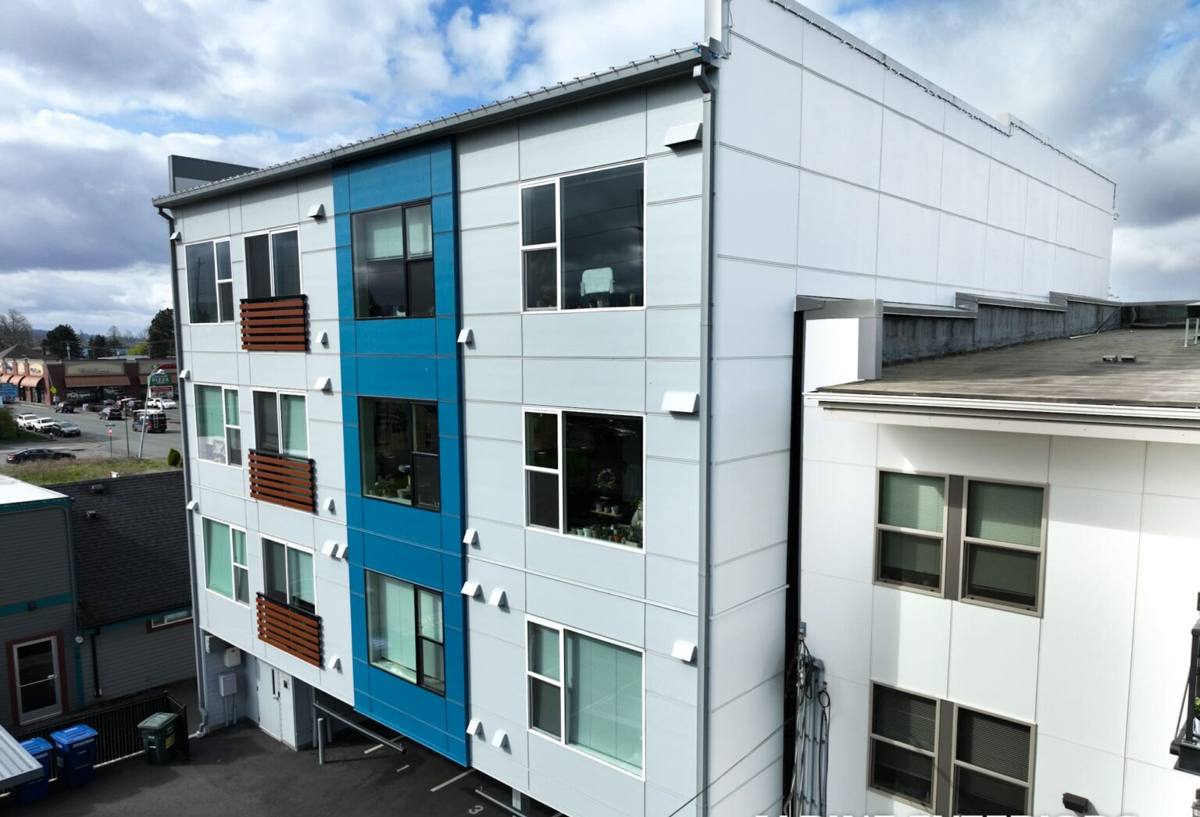
Signs a Sumas Home Needs Siding Repair
Most siding problems give warning signs well before they become structural. Homeowners who catch these early save real money down the line.
- Soft or spongy spots when you press on the siding, especially near the bottom courses or around windows
- Visible cracking, chipping, or bubbling paint, particularly on south- and west-facing walls that take the most weather
- Persistent moss or dark streaking that keeps coming back even after cleaning
- Gaps or separation at seams, corners, or where siding meets trim, window casings, or the foundation
- Staining or discoloration on interior walls near exterior corners — often the first sign of moisture getting behind the siding
- Warping, buckling, or panels that no longer sit flat against the wall
- Caulk that's cracked, shrunk, or pulled away from joints
Any one of these on its own might be minor. Several together, or any sign paired with interior staining, usually means the underlying water management — the house wrap, flashing, or drainage plane — needs attention along with the visible siding.
Why This Climate Is Hard on Siding
Driving Rain and Moisture Cycling
Whatcom County doesn't just get a lot of rain — it gets rain pushed sideways by wind often enough that siding has to perform as an active water-shedding system, not just a static covering. Every lap, joint, and penetration is a place water can work its way in if the installation wasn't detailed correctly the first time. Siding that looks fine from the ground can still be failing at the laps, where repeated wetting and drying cycles slowly degrade caulk, fasteners, and the material itself.
Moss and Sustained Dampness
The long moss season here isn't just cosmetic. Moss and algae hold moisture against the siding surface far longer than open air would, which accelerates paint failure and, on materials that aren't moisture-stable, can contribute to swelling or softening over time. North-facing walls and areas shaded by trees are usually the first to show it, and it tends to come back faster than homeowners expect if the underlying moisture source isn't addressed.
Salt Air and Coastal Exposure
Homes closer to the water deal with an added layer of wear: salt-laden air accelerates the breakdown of metal fasteners, flashing, and paint films. Corrosion at nail heads or trim fasteners is a common early failure point in coastal-exposed siding, and it's easy to miss unless someone is specifically looking for it during an inspection.
Repair or Replace? How to Tell
Not every damaged section needs a full re-side, and not every repair is worth doing instead of replacing a larger section. The right call depends on how much of the wall is affected, what caused the damage, and what's underneath.
| Situation | Usually Repair | Usually Replace |
|---|---|---|
| Damage limited to one or two boards or a small section | Yes | No |
| Rot or water damage traced to a single flashing or caulk failure | Yes, plus fix the source | No |
| Widespread soft spots or staining across multiple walls | No | Yes |
| Siding is an older, discontinued product with no material match available | No | Yes |
| House wrap or sheathing shows damage under multiple sections | No | Yes |
| Cosmetic wear (paint, minor caulk failure) with sound material underneath | Yes | No |
A straight answer up front, based on what we actually find when we open up the damaged area, is part of the job. If a repair genuinely won't hold or won't match, we'll say so rather than patch something that's going to fail again.
What a Correct Repair Actually Involves
A siding repair that lasts starts with diagnosis, not demolition. The visible damage is usually a symptom, not the whole problem, and skipping the diagnostic step is how repairs end up failing again in the same spot.
1. Find the Source
Before anything gets removed, we trace where the moisture or damage is actually coming from — a failed flashing detail, a caulk joint that's opened up, a fastener that's backed out, or a grading issue directing water at the wall. Patching over a still-active water source just delays the next repair.
2. Open Up and Assess
Damaged siding gets removed carefully enough to inspect what's behind it: the house wrap or weather-resistant barrier, the sheathing, and the framing where accessible. If there's hidden rot or a compromised drainage plane, that has to be addressed before new siding goes back up — otherwise the repair is cosmetic only.
3. Repair the Water Management Layer
Any gaps in the house wrap get properly lapped and sealed, flashing gets corrected or replaced where it's failed, and any rotted sheathing or framing gets cut out and replaced. This step is invisible once the job is done, which is exactly why it's the step that gets skipped by crews trying to move fast.
4. Install Matching, Correctly Detailed Siding
New siding goes in with proper fastening, correct clearances at grade and roof lines, and joints sealed the way the manufacturer specifies — not just caulked over and called finished. Where we can match existing James Hardie siding, we do; where an exact match isn't available, we'll talk through options honestly rather than force a mismatch.
5. Finish and Inspect
Paint or factory finish gets matched as closely as possible, all fasteners and joints get a final check, and we walk the repair with the homeowner before calling it done.
Why We Only Work With James Hardie Siding
When we're called out for a repair, a lot of what we find traces back to the siding material itself — not just poor installation. Wood-based and composite products can swell, delaminate, or lose structural integrity once moisture gets past the paint film, which is exactly the failure pattern this climate is built to cause. That's a big part of why we standardized on James Hardie fiber cement for every job we do, repairs included.
Hardie's fiber cement doesn't absorb and swell the way wood-based products can, it's non-combustible, and the ColorPlus factory finish holds up to UV and moisture exposure far longer than field-applied paint typically does. Hardie's HZ5 product line in particular is engineered for wet, cold-cycling climates like this one — which matters whether we're repairing an existing Hardie installation or replacing damaged sections of something else with Hardie board. We won't install vinyl, LP SmartSide, Cemplank, Allura, primed spruce, or cedar as a repair material, even as a patch, because we'd be signing off on the same failure pattern showing back up in a few years. If your existing siding is one of those materials and the damage is widespread, we'll be straightforward that a Hardie re-side is likely the better long-term answer, and we'll explain exactly why rather than just recommend the most expensive option.
Why Repair Material Matters as Much as Workmanship
A technically perfect repair using the wrong material for this climate still fails on the same timeline as the original problem. Matching new material to what performs here — not just what patches the hole — is part of doing the job right the first time.
Why a Crew That Works Sumas Regularly Matters
Siding repair isn't generic work. A crew that regularly works homes in Sumas and the surrounding Whatcom County area already knows which wall orientations take the worst weather, what moss regrowth looks like a season after a cleaning, and where salt-air corrosion tends to show up first on fasteners and trim. That local pattern recognition shortens the diagnostic step and helps us catch problems a crew unfamiliar with this specific climate might miss on a first pass.
It also means accountability. A local crew has a reputation in the community to protect and isn't disappearing after the invoice clears — which matters for a repair, where the real test is whether it's still holding a year or two later.
Our Repair Process, Step by Step
- Free on-site inspection — we look at the damage, the surrounding siding, and the wall assembly where accessible
- Honest diagnosis of the cause, not just the symptom, including whether repair or replacement is the better call
- Written scope and estimate before any work begins, so there are no surprises
- Careful removal of damaged material and inspection of the water management layer underneath
- Repair of any hidden damage to house wrap, flashing, or sheathing
- Installation of correctly matched, properly detailed siding material
- Final walkthrough and cleanup
Keeping Repaired Siding in Good Shape
Once a repair is done right, a little seasonal attention keeps it that way. This isn't a maintenance contract pitch — it's genuinely the difference between a repair that holds for a decade and one that starts showing the same wear pattern again in a few years.
- Rinse siding gently once or twice a year to keep moss and algae from establishing, especially on shaded or north-facing walls
- Keep gutters clear so overflow isn't running down the siding face during heavy rain
- Trim back vegetation that's holding moisture against the wall or blocking airflow
- Check caulk joints at trim and window casings every couple of years and re-seal before they fully open up
- Address any new soft spots, staining, or paint failure quickly rather than waiting for it to spread
Get an Honest Look at Your Siding
If you're seeing soft spots, staining, recurring moss, or open joints on your Sumas home, it's worth getting a real diagnosis before the next wet season makes the problem worse. We'll walk the property, tell you plainly what we find, and lay out what a correct repair — or, if it's warranted, a replacement — actually involves. There's no pressure and no cost to find out where things stand; the estimate form below is the easiest way to get started.