 Semiahmoo Siding
 Siding Installation in Ferndale: What the Local Climate Demands
Ferndale sits close enough to the water and to the open exposure of Whatcom County that its siding takes a different kind of beating than siding a hundred miles inland. Homes here deal with salt-laden air drifting in off the Strait, long stretches of driving rain that comes in sideways more often than straight down, and a moss and algae season that can run most of the year in shaded, north-facing spots. None of that is exotic weather. It's just relentless, and relentless is what wears siding out — not one bad storm, but ten years of ordinary Whatcom County weather doing its job every single week.
When we install siding in Ferndale, we're not just fastening boards to a wall. We're building a system meant to shed that rain, resist that salt, and stay dry enough underneath that moss and mildew don't get a foothold in the seams. This page is about that one job, done right, for this one area.
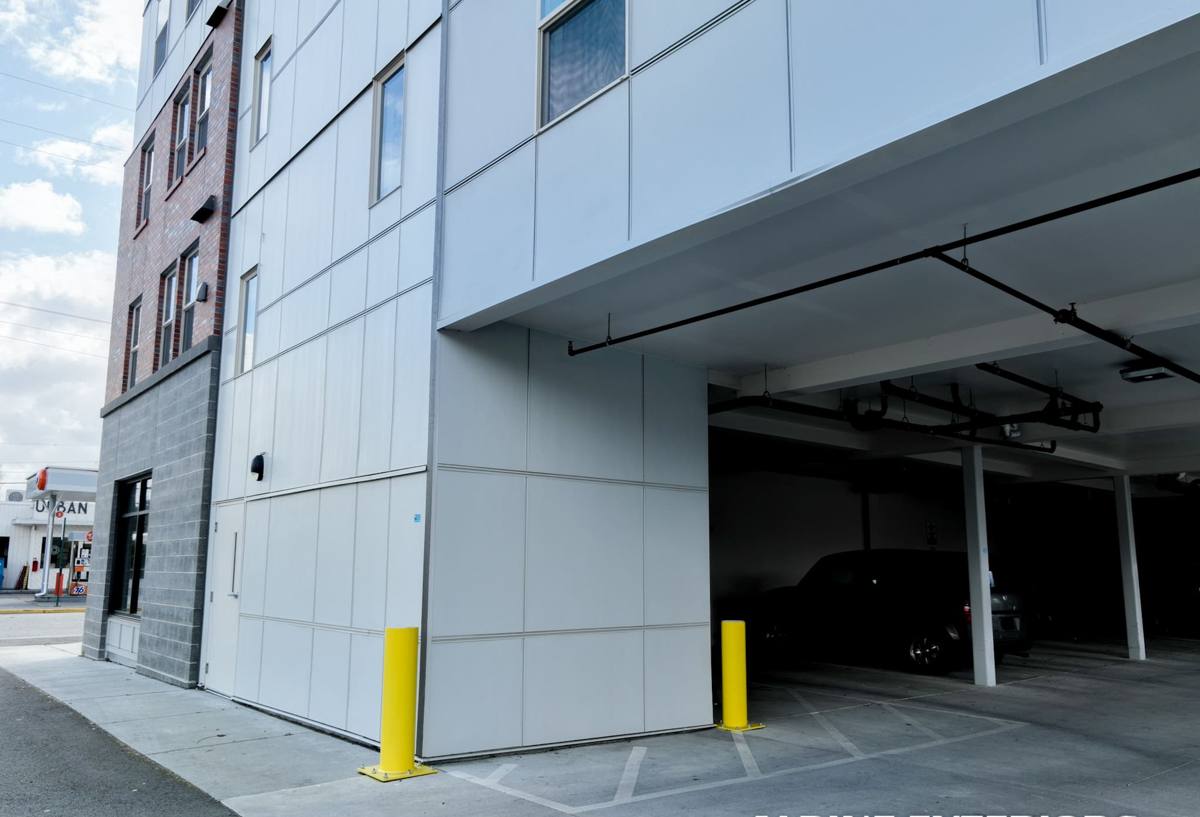
What Salt Air, Rain, and Moss Actually Do to Siding
Salt Air
Airborne salt is corrosive to exposed metal fasteners, flashing, and hardware, and it accelerates the breakdown of lower-grade finishes over time. It doesn't destroy siding overnight, but it shortens the life of anything not built or coated to handle it. Homes closer to open water or exposed to prevailing wind off the Strait see this faster than homes tucked into more sheltered lots.
Driving Rain
Wind-driven rain doesn't just run down a wall — it gets pushed sideways and upward into laps, seams, and penetrations. A siding system with weak water management, loose lap spacing, or poor flashing at windows and trim will let moisture behind the cladding long before the surface itself looks damaged. That hidden moisture is where real problems start: sheathing rot, mold, and framing damage that isn't visible until it's expensive.
Moss and Algae Season
Shaded walls, north exposures, and anything under tree cover in Ferndale can stay damp for weeks at a time in fall, winter, and spring. Moss and algae need exactly that — persistent moisture and shade — and they'll colonize any siding surface that holds water or has a texture that traps organic debris. Beyond looks, moss growth on siding keeps the surface wet even longer, feeding a cycle that degrades caulk, paint, and the substrate underneath.
What a Correct Siding Installation Involves
A siding job that actually holds up in this climate isn't just about the product — it's about the details underneath it that nobody sees once the job is finished.
- Weather-resistive barrier: A continuous, properly lapped water-resistive barrier behind the siding, installed so water sheds downward and out, not into the wall assembly.
- Flashing at every penetration: Windows, doors, hose bibs, vents, and any other wall penetration need correctly integrated flashing, not just caulk. Caulk fails; flashing sheds water by design.
- Proper lap and fastening: Manufacturer-specified lap dimensions and fastener placement matter more in a driving-rain climate than in a dry one — too little lap or the wrong fastener pattern is where wind-driven rain finds its way in.
- Rainscreen or drainage gap where called for: A gap between the siding and the water-resistive barrier lets any moisture that does get through drain and dry instead of sitting against the sheathing.
- Correct clearances: Siding held off decks, patios, roof lines, and grade at the manufacturer's minimum clearance so it isn't sitting in standing water or snow load.
- Factory-finished material: A pre-finished product with a real factory coating resists moss, mildew, and salt exposure far better than field-painted or unfinished material, and it doesn't depend on a perfect paint job to perform.
Skip any one of these and the siding might look fine for a few years. In Ferndale's weather, the gaps show up as streaking, moss growth in the laps, soft trim, or paint failure well before the product's real lifespan should allow.
Why We Install Only James Hardie Fiber Cement
We standardized on James Hardie fiber cement siding for every job we take on, including Ferndale homes, and we don't install vinyl, LP SmartSide, or other fiber cement brands. That's a deliberate call, not a sales preference.
Fiber cement is non-combustible and dimensionally stable, so it doesn't expand, contract, warp, or absorb water the way wood-based or engineered wood siding products can. In a climate with sustained damp seasons, that stability matters — it's part of why moss and moisture don't get the same foothold on a properly installed fiber cement wall that they get on products more sensitive to sustained wetting. Hardie's ColorPlus factory finish is baked on under controlled conditions, which gives it more consistent, longer-lasting color and moisture resistance than a coating applied on-site in variable weather. And Hardie's HZ5 product line is engineered specifically for the freeze-thaw and moisture patterns of the Pacific Northwest, which is exactly the profile Whatcom County weather produces.
We're not going to tell you every other siding product is junk — vinyl and engineered wood both have legitimate uses and reasonable price points, and plenty of installers do fine work with them. Our stance is narrower: for the weather this area sees, we believe fiber cement installed correctly gives homeowners the best long-term balance of durability, low maintenance, and warranty backing, and we'd rather do one product exceptionally well than spread our crews thin across several.
Our Process for Ferndale Siding Installation
| Stage | What Happens |
|---|---|
| Site assessment | We walk the exterior, check existing sheathing and water damage, note exposure direction, shade patterns, and any moss or moisture issues already present. |
| Tear-off and inspection | Old siding comes off and we inspect the sheathing underneath — this is where hidden rot or moisture damage from a previous installation often turns up. |
| Water management install | Weather-resistive barrier, flashing, and drainage gap (where applicable) go in before a single piece of siding is hung. |
| Siding installation | James Hardie panels or lap siding installed to manufacturer spec — correct lap, fastening, and clearances throughout. |
| Trim and detail work | Corners, window and door trim, and penetrations finished and sealed correctly, not just caulked over. |
| Final walkthrough | We review the finished job with the homeowner and confirm everything meets spec before calling it done. |
Cost Factors for a Ferndale Siding Project
Every home is different, but the main variables that move the price on a siding installation in this area are fairly consistent:
| Factor | Why It Matters |
|---|---|
| Home size and wall area | More square footage means more material and labor, the most direct cost driver. |
| Existing wall condition | Sheathing repair or rot remediation found during tear-off adds time and material beyond the base siding job. |
| Siding profile and finish | Lap siding, panel siding, and specialty trim or accent work carry different material and labor costs. |
| Exposure and complexity | Homes with more corners, dormers, or multiple stories take longer to flash and finish correctly. |
| Access and site conditions | Tight lots, landscaping, or difficult staging areas can add labor time. |
We give straightforward, itemized estimates after an in-person look at the home — we don't quote blind over the phone, because the variables above genuinely change the number.
Why Hire a Crew That Already Works This Area
Siding installation isn't a one-size-fits-all trade. A crew that mostly works drier inland climates can do technically correct work and still under-detail the water management for a place like Ferndale, simply because the margin for error is smaller here. A crew that already works Whatcom County knows to size up shade patterns before deciding where extra drainage detailing matters, knows how exposed a given lot is to salt-laden wind, and has already seen what happens to a poorly flashed wall after a few wet winters. That local pattern recognition doesn't show up on a spec sheet, but it shows up in how long the siding actually lasts.
Signs Your Current Siding Is Losing the Fight
- Moss or algae streaking that comes back within months of cleaning
- Soft or spongy spots when you press on the siding near the bottom courses or around trim
- Visible gaps, warping, or separation at the laps and corners
- Paint or finish that's peeling, chalking, or fading unevenly
- Persistent damp smell or staining on interior walls that back onto exterior siding
- Fasteners rusting or backing out
Any one of these on its own isn't necessarily an emergency, but a few together usually mean the underlying water management has already been compromised, not just the surface finish.
Get a Straightforward Look at Your Siding
If your Ferndale home's siding is showing wear, growing moss faster than it used to, or you're just planning ahead of a renovation, we're happy to take a look and give you an honest, no-pressure estimate — no upsell, just what the home actually needs. Fill out the form below to get started.