 Semiahmoo Siding
 Roofing Built for Lynden's Weather, Not Just Any Weather
Lynden sits inland from the coast, but it still gets the full weight of Whatcom County's wet season — long stretches of driving rain, low winter sun that never quite dries out a north-facing slope, and enough shade from mature trees and farm windbreaks to keep moss happy for months at a time. Add in the moisture-laden marine air that moves through this whole corner of Washington off the coast at Semiahmoo and Boundary Bay, and you've got a climate that's genuinely tough on roofs, even ones that look fine from the driveway.
A roof replacement here isn't just swapping old shingles for new ones. It's an opportunity to fix the things that let water and moss get a foothold in the first place — ventilation, flashing, underlayment, and roof-to-wall transitions that were often built to a minimum standard decades ago. We replace roofs on Lynden homes regularly, and the patterns repeat: the same trouble spots, the same shortcuts from past re-roofs, the same moss lines creeping down from the ridge.
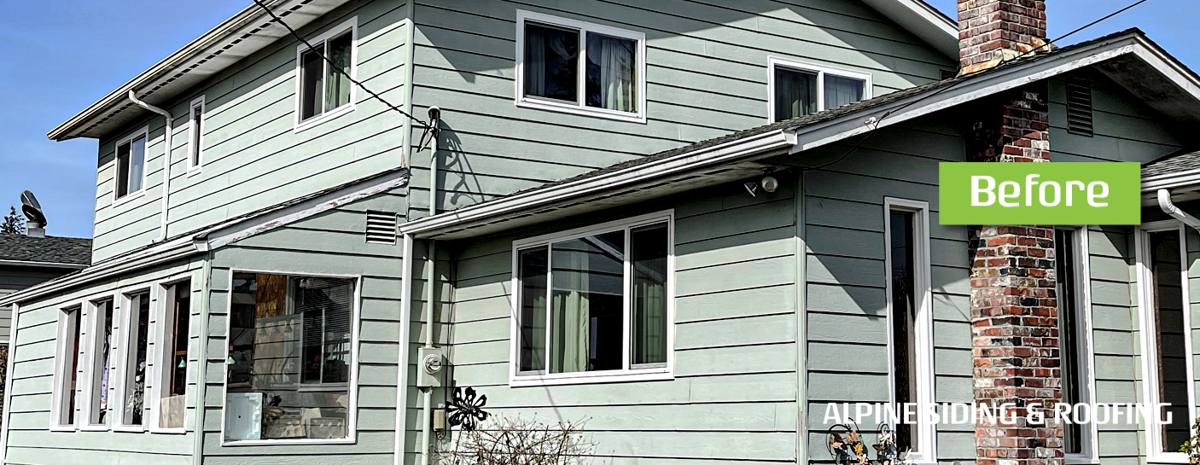
What This Climate Actually Does to a Roof Over Time
Moss Isn't Cosmetic — It's a Moisture Problem
Moss needs shade, moisture, and something to hold onto. Lynden has all three for a good part of the year. Once moss establishes on a shaded slope, it holds water against the shingle surface far longer than open sun-exposed areas ever see, which accelerates granule loss and shortens the life of asphalt shingles specifically. Moss roots also work into shingle laps and can lift tabs over time, giving wind-driven rain a path underneath.
Driving Rain Finds Every Weak Seam
Straight-down rain is forgiving. Wind-driven rain is not — it hits laps, nail heads, and flashing details from angles the roofing system wasn't necessarily designed to shed. Over years of storms, a roof with adequate but not great flashing detail slowly develops soft spots at valleys, chimneys, and wall intersections long before the field of the roof looks worn.
Freeze-Thaw and Temperature Swings
Whatcom County doesn't get brutal winters, but it does get enough freeze-thaw cycling to stress already-saturated materials. A shingle that's been holding moisture under a moss mat all winter is more brittle and more prone to cracking when temperatures dip, which is why moss-covered roofs often show granule loss and cracking well ahead of their rated lifespan.
Signs a Lynden Roof Is Due for Replacement, Not Another Repair
Homeowners often ask us to "just patch" a problem area, and sometimes that's the right call. But certain signs mean the roof as a system is past the point where patching makes financial sense.
- Granules collecting in gutters and downspouts in noticeable amounts, not just a light dusting
- Moss covering more than isolated patches, especially on north- or shade-facing slopes
- Shingles that are curling, cupping, or cracking across multiple areas of the roof
- Daylight visible through the roof deck from the attic, or damp insulation after storms
- Repeated leaks in different spots each season rather than one consistent trouble area
- Roof is at or past the manufacturer's expected service life for the material installed
- Previous repairs stacking up — three or more patch jobs in the last several years
If you're only seeing one or two of these, a targeted repair may still make sense. If you're seeing several at once, that's usually a sign the underlying materials are failing broadly, not just at the surface.
Choosing the Right Roofing System for This Climate
There's no single "best" roofing material — there's a best fit for your home's exposure, roof pitch, budget, and how much long-term maintenance you want to take on. Here's how the common options stack up for a climate like Lynden's.
| Material | Moss & Moisture Resistance | Typical Lifespan | Maintenance Load |
|---|---|---|---|
| Architectural asphalt shingle | Good with proper ventilation and zinc/copper strips | 25-30 years | Periodic moss treatment on shaded slopes |
| 3-tab asphalt shingle | Fair — thinner profile sheds less water at overlaps | 15-20 years | More frequent moss and granule monitoring |
| Metal (standing seam or panel) | Excellent — moss struggles to hold on a smooth, sloped metal surface | 40-50+ years | Low; occasional fastener and seam check |
| Composite/synthetic shake | Good — engineered to resist moisture absorption | 30-50 years | Low to moderate |
Asphalt shingles remain the most common choice for good reason — they're cost-effective and perform well when the roof underneath is built correctly. Metal roofing has become more popular in this region specifically because it sheds moss and standing moisture better than any shingle product, though the upfront cost is higher. We'll walk through the honest trade-offs for your specific roof rather than pushing one material as universally "right."
What a Correct Roof Replacement Actually Involves
A roof replacement done right is a system, not a single layer. Skipping any one of these steps is how roofs that look fine on installation day end up leaking or growing moss again within a few years.
- Full tear-off. We remove existing roofing down to the deck rather than layering over old material, so we can actually see the condition of the sheathing underneath.
- Deck inspection and repair. Any soft, water-stained, or delaminated sheathing gets replaced before anything new goes down — this is the single most common shortcut we see skipped on past re-roofs in this area.
- Ice and water shield at vulnerable points. Valleys, eaves, and roof-to-wall transitions get self-adhered waterproof underlayment, not just standard felt, given how often wind-driven rain hits these areas here.
- Synthetic underlayment across the field. A durable, water-resistant underlayment across the full roof as a second line of defense under the shingles or panels.
- Proper flashing at every penetration. Chimneys, vents, skylights, and wall intersections get new flashing — reusing old flashing is a common shortcut that leads to early leaks.
- Balanced attic ventilation. Intake at the eaves and exhaust at the ridge, sized correctly for the attic volume, so moisture doesn't get trapped and shorten the life of the new roof from underneath.
- Correct fastening and material installation. Following the manufacturer's nailing pattern and exposure specs, which is what keeps warranty coverage valid.
- Moss-resistant details on shaded slopes. Zinc or copper strip installation near the ridge on slopes that stay shaded, which discourages new moss growth as rain washes trace metal down the roof.
Our Process for a Lynden Roof Replacement
We keep the process straightforward because a roof replacement is disruptive enough without added confusion about what happens next.
1. On-Site Assessment
We get on the roof, not just in the yard looking up. That means checking the deck condition where accessible, current ventilation setup, flashing condition, and moss extent before recommending anything.
2. Written, Itemized Estimate
You get a clear breakdown of material, labor, and any deck repair contingencies, so there are no surprise change orders mid-project.
3. Material Selection
We help you weigh options against your budget and how the roof is exposed to sun, shade, and rain, rather than defaulting to whatever's easiest to install.
4. Scheduling Around Weather
Whatcom County's rain windows matter for roofing. We plan tear-off and dry-in carefully so your home isn't left exposed longer than necessary.
5. Installation and Daily Cleanup
Tear-off, deck repair as needed, underlayment, and final roofing material — with jobsite and yard cleanup at the end of each day, not just at project completion.
6. Final Walkthrough
We walk the finished roof and the attic ventilation with you before calling the job done, and go over warranty paperwork for both materials and labor.
What Drives Cost on a Lynden Roof Replacement
Every roof is different, but the same handful of factors move the price up or down on most jobs we quote in this area.
| Cost Factor | Why It Matters |
|---|---|
| Roof size and number of planes | More squares and more complex geometry (valleys, dormers) mean more material and labor time |
| Deck condition | Rotted or delaminated sheathing found during tear-off adds repair cost, but it's not optional to skip |
| Material choice | Asphalt, metal, and composite products span a wide cost range for both material and install labor |
| Roof pitch and access | Steep or hard-to-access roofs require more safety setup and slow the work down |
| Ventilation upgrades | Adding or correcting intake/exhaust venting is worth the cost but adds to the project total |
| Moss remediation extent | Heavier moss coverage may mean more deck inspection and cleaning before new material goes down |
We give itemized numbers up front rather than a single lump sum, so you can see exactly what's driving the total and where there's flexibility.
Why It Matters to Hire a Crew That Already Works in Lynden
Roofing crews that mostly work in drier climates tend to under-build for moisture — lighter underlayment, minimal ventilation, flashing details sized for less rainfall than Whatcom County actually sees. A crew that works this area regularly already knows which slopes on a given roof orientation tend to hold moss, how much ventilation a typical attic here actually needs, and which flashing shortcuts cause the callbacks we get asked to fix a few years later.
That local familiarity also shows up in smaller ways: knowing which material suppliers stock what's needed without a long wait, understanding permitting expectations for the jurisdiction, and being available for warranty follow-up because we're not driving in from somewhere else. A roof replacement is a once-every-few-decades purchase for most homeowners — it's worth having a crew that treats this climate as the normal case, not an exception.
After Replacement: Keeping Moss and Moisture from Coming Back
- Rinse roof surfaces gently once or twice a year rather than pressure-washing, which can strip granules
- Keep gutters clear so water isn't backing up under shingle edges
- Trim back overhanging branches to reduce shade and debris buildup on moss-prone slopes
- Have zinc or copper strips reapplied per manufacturer guidance if moss starts returning years down the road
- Schedule a quick visual check after major storms, especially around flashing points
None of this requires major effort, but a few minutes a couple times a year goes a long way toward getting the full expected lifespan out of a new roof in this climate.
If your roof is showing moss, granule loss, or leaks, we're happy to come take an honest look and give you a straightforward, no-pressure estimate — just fill out the form below to get started.