 Semiahmoo Siding
 New Roof Installation Built for Custer's Climate
Custer sits up near the Canadian border in Whatcom County, close enough to the water that salt-laden air reaches most properties in town, not just the ones with a water view. Add in wind-driven rain that gets pushed sideways instead of falling straight down, and a moss season that runs across most of the calendar because temperatures stay mild and moisture stays constant, and you've got a climate that's genuinely tougher on a roof than the region's rainfall totals alone would suggest. A roof that's engineered and installed for a drier, calmer market won't hold up the same way here.
This page is about one thing specifically: full new roof installation for a Custer home. Not a generic overview of roofing everywhere, and not a repair page. If you're weighing a full replacement, this covers what actually needs to happen for the job to last, the material trade-offs that matter in this climate, and how our process works from first look to final walkthrough.
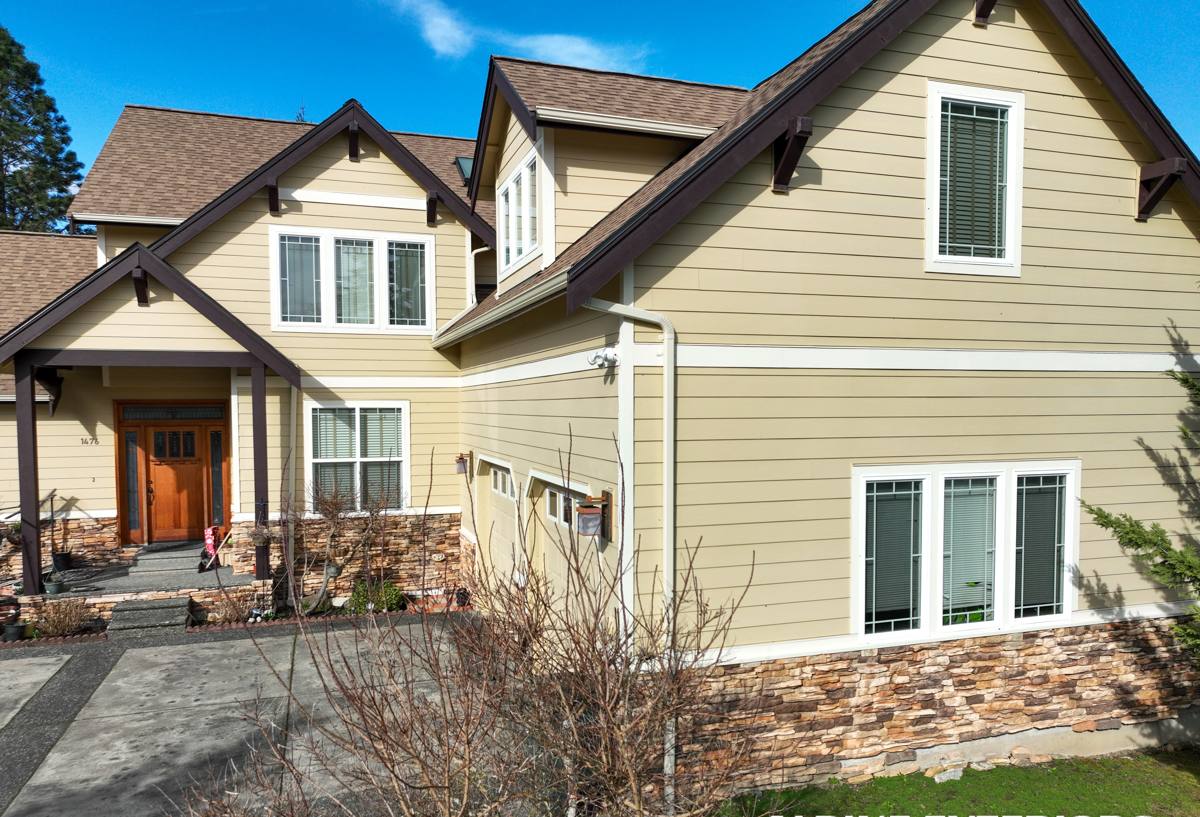
When a Custer Roof Needs a Full Replacement, Not a Repair
Not every roof problem calls for a full tear-off and new install. But a roof reaching the end of its service life, or one that's developed problems in more than one area, usually costs more in the long run to keep patching than to replace correctly once. Signs worth taking seriously include:
- Shingles that are curling, cracking, or missing across multiple slopes rather than one isolated spot
- Granule loss heavy enough that you're finding it collecting in gutters and downspouts
- Soft spots or visible sagging when you walk the roof or look at the roofline from the ground
- Moss or dark streaking that keeps coming back on shaded, north-facing planes no matter how often it's cleaned off
- Water staining on interior ceilings or in the attic, especially after a windy storm, which usually means water is getting past flashing or worn-through material
- A roof already past 20-25 years old, where the underlying deck and flashing are likely aging along with the shingles even if the roof looks okay from the street
If you're only seeing one of these in an isolated spot, a repair may genuinely be the right call, and we'll tell you that directly rather than pushing a full replacement you don't need yet.
What a Correct New Roof Installation Involves
A new roof isn't just new material laid over what's there. Done right, it's a full system, addressed from the deck up, and every layer matters for how the roof performs against Custer's specific weather.
Tear-Off and Deck Inspection
A complete tear-off down to the decking is the only way to find hidden rot, soft spots, or moisture damage that's been building under the old roofing, often for years before it shows up as an interior leak. Any damaged decking gets identified and replaced before anything new goes on top of it. Skipping this step and layering new material over old just buries whatever problems already exist.
Underlayment and Moisture Barriers
Synthetic or self-adhered underlayment gives the roof deck a real water barrier underneath the finished roofing material, which matters directly when wind is driving rain sideways and up under edges instead of letting it run straight off. Ice-and-water shield at eaves, valleys, and other vulnerable transitions adds another layer of protection exactly where water is most likely to find a way in.
Flashing at Valleys, Chimneys, and Wall Transitions
Most roof leaks in this region start at flashing, not in the open field of the roof. Every place two roof planes meet, every penetration for a chimney, vent, or skylight, and every spot where a roof meets a wall needs flashing that's properly lapped and integrated with the underlayment beneath it, not caulked over as a shortcut.
Ventilation
Balanced intake and exhaust ventilation keeps the underside of the roof deck dry year-round, which extends the life of whatever material is on top and reduces the moisture that feeds moss growth from below. A roof can look fine from the street and still be shortening its own lifespan because the attic isn't breathing correctly.
Fastening for Wind Exposure
Correct fastener type, placement, and count, done to manufacturer specification rather than a shortcut pattern, is what keeps roofing material from lifting under wind load. That matters more on exposed or elevated Custer lots that catch more direct wind than sheltered, tree-lined properties.
Choosing a Roofing Material for Custer's Conditions
There's no single "best" roofing material for every home. The right choice depends on your roof's exposure, how much shade and tree cover it gets, your budget, and how long you plan to stay in the house. Here's how the common options actually compare against Custer's specific mix of salt air, driving rain, and moss.
| Material | Moss & Algae Resistance | Salt Air Durability | Wind Performance | Typical Lifespan Here |
|---|---|---|---|---|
| Architectural asphalt shingle | Good with algae-resistant granules; needs periodic moss removal on shaded slopes | Solid with corrosion-resistant fasteners and flashing | Strong when properly nailed to spec | 25-30 years |
| Standing seam metal | Excellent; sheds moss and debris better than any textured surface | Very good with the right coating and fastener finish | Excellent, among the best options for open, wind-exposed lots | 40-50+ years |
| 3-tab asphalt shingle | Fair; thinner profile holds less algae protection over time | Adequate with correct hardware | Lower wind rating than architectural shingle | 15-20 years |
| Cedar shake | Poor without diligent, ongoing maintenance; organic surface is hospitable to moss | Requires regular treatment to hold up to salt exposure | Moderate | Highly dependent on upkeep |
For most Custer homes, architectural asphalt shingle with algae-resistant granules is the practical, cost-effective choice, especially on roofs that get regular sun exposure. On heavily shaded lots or properties where the owner wants to minimize long-term maintenance, standing seam metal is worth serious consideration despite the higher upfront cost, largely because it simply doesn't give moss anywhere to take hold the way a textured surface does.
Our New Roof Installation Process
- In-person inspection: We walk the roof and attic ourselves, not from a photo or a drive-by, and document the actual condition of the decking, flashing, and ventilation.
- Written estimate: You get a clear, itemized bid covering tear-off, underlayment, flashing, ventilation, material selection, and cleanup, not a single vague line item.
- Scheduling around weather: We build reasonable flexibility into the timeline, since delays during Custer's wetter stretches are a normal part of working in this region, not an excuse.
- Tear-off and deck repair: Old roofing comes off completely, and any deck damage found underneath is addressed before new material goes down.
- Underlayment, flashing, and installation: Each layer goes on to manufacturer specification, with extra attention at valleys, penetrations, and wall transitions.
- Final walkthrough and cleanup: We review the completed roof with you and do a full site and magnetic nail sweep before calling the job done.
Living With Moss After a New Roof Goes On
A new roof, installed correctly with algae-resistant material and proper ventilation, holds up to Custer's moss season far better than an older or improperly ventilated one. But no roofing material makes moss impossible on a shaded, north-facing slope in Whatcom County, it just slows it down significantly. A little ongoing attention keeps a new roof performing the way it's supposed to for its full expected lifespan.
Gentle, low-pressure cleaning rather than power-washing protects granules and finish coatings. Keeping tree branches trimmed back from the roofline reduces both shade and the organic debris that helps moss take hold. And a quick annual look at flashing and gutters catches small issues, like a lifted flashing edge or a clogged downspout backing up water, before they turn into something bigger.
Cost Factors That Actually Move the Price
Bids for what sounds like the same job can vary by thousands of dollars, and the gap usually comes down to real differences in scope, not one contractor simply charging more for identical work.
| Factor | What It Affects |
|---|---|
| Roof size and pitch | Material quantity, labor time, and staging/safety requirements |
| Number of layers being torn off | Disposal cost and how much extra labor the tear-off itself takes |
| Deck repair needed | Whether hidden rot or damage gets found and fixed before new roofing goes on |
| Material choice | Upfront cost versus expected lifespan and maintenance over time |
| Underlayment grade | How well the roof resists wind-driven rain intrusion |
| Flashing and ventilation scope | How thoroughly valleys, penetrations, and attic airflow are addressed |
A detailed, itemized written estimate tells you far more than a single lump-sum number, and it's worth asking any contractor to walk through exactly what's included before you compare prices against another bid.
Why Hiring a Crew That Already Works in Custer Matters
A crew that regularly installs roofs in and around Custer has already seen how salt air corrodes underspecified fasteners, how wind-driven rain finds its way through improperly lapped underlayment, and which roof orientations hold moss longest through the wet season. That's practical knowledge that shows up in the small decisions made throughout a job, decisions a crew unfamiliar with this specific stretch of Whatcom County might not think to make at all.
It also matters after the job is finished. A workmanship warranty is only as good as the company standing behind it years later, and a contractor with an established, ongoing presence in the area is the one you can actually reach if a question comes up down the road.
A Practical Checklist Before You Choose a Roofer
- Do they perform a full tear-off with deck inspection, not just a layover?
- Does the estimate specify underlayment type and roofing material by name, not just "new roof"?
- Is flashing work at valleys, chimneys, and walls explicitly included in the bid?
- Do they carry current WA contractor licensing, liability insurance, and workers' compensation?
- Can they point to recent, verifiable local work in or near Custer?
- Does the bid separate manufacturer material warranty coverage from their own workmanship warranty?
If you're weighing a new roof for a Custer home, we're glad to walk the roof with you in person and give an honest read on what condition it's actually in and what it would take to replace it right. Use the form below to request a free, no-pressure estimate.