 Semiahmoo Siding
 Siding Repair in Laurel: What the Coastal Climate Actually Demands
Homes in the Laurel area, part of our Semiahmoo-area service territory in Whatcom County, take a different kind of beating than homes twenty miles inland. Salt-laden air off the water accelerates corrosion on fasteners, trim, and any exposed metal. Driving rain, pushed sideways by wind off the Strait, finds every gap in flashing and caulking that a calmer climate would never expose. And the long, damp moss season here means anything that stays wet for extended stretches becomes a host for organic growth within a couple of years, not a couple of decades.
Siding repair in this environment isn't just about patching what's broken. It's about understanding why it broke in the first place, and whether the repair will hold up to the same conditions that caused the damage. A patch that looks fine in August can fail by the following February if it doesn't account for how water moves through this climate.
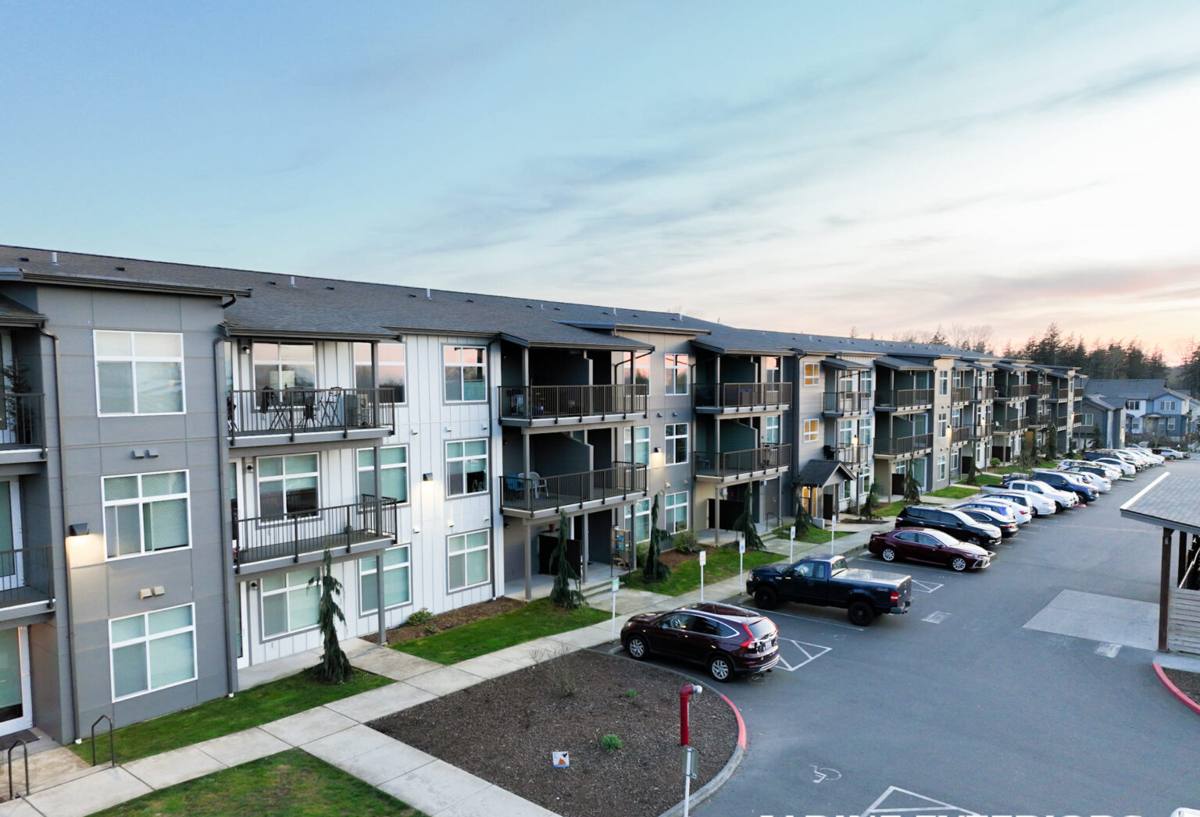
Repair or Replace? Reading the Signs on a Laurel Home
Not every damaged section needs a full re-side. But guessing wrong in either direction costs money — either you're throwing good material at a section that's structurally compromised, or you're replacing siding that only needed a targeted repair.
Moisture and Rot Signs
Soft spots when you press on siding, dark staining that spreads rather than stays contained, and a musty smell near exterior walls are all signs that moisture has gotten past the surface. On wood-based products, this often means the substrate underneath is compromised, not just the visible face. That distinction matters — surface damage can sometimes be repaired locally, but substrate rot usually means removing a larger section than the visible damage suggests.
Coastal Wear on Paint and Finish
Chalking, fading, and finish breakdown happen faster here than in drier inland climates because salt air and UV exposure compound each other. If the finish is failing uniformly across a wall, that's a maintenance and refinishing conversation. If it's failing in isolated patches near ground level or under eaves with poor drainage, that's usually a sign of localized water contact and points to a repair, not just a repaint.
Physical and Mechanical Damage
Cracked boards, impact damage, and pieces that have come loose from wind are the most straightforward repair cases — as long as the framing and water-resistive barrier behind them are still sound. That's something we always check before closing a section back up.
What a Correct Siding Repair Actually Involves
A siding repair that's done right takes more steps than most homeowners expect, and skipping any of them is how "repaired" sections end up failing again within a year or two.
Diagnosing the Root Cause
Before any board comes off, we figure out why that section failed. Was it a flashing gap, a caulking failure, a grading issue pushing water toward the foundation, or simple age and UV exposure? Replacing siding without fixing the underlying cause just resets the clock on the same failure.
Matching Material, Profile, and Reveal
Patchwork siding repairs are obvious from the street when the new material doesn't match the plank width, reveal, or texture of the existing siding. On a fiber cement home, matching is usually straightforward because product lines are standardized. On older wood or discontinued vinyl profiles, matching can be difficult or impossible, which sometimes tips the decision toward replacing a full wall section instead of patching.
Restoring the Water Management System
Siding is only one layer of a wall's defense against water. Behind it should be a weather-resistive barrier, proper flashing at every penetration and horizontal joint, and correct overlaps sized for wind-driven rain. A repair that reinstalls new siding but ignores a torn house wrap or missing flashing tape is a repair that will fail again — often faster than the original damage took to appear.
Material Matters When You're Repairing, Not Just Installing
What a home is sided with changes what a repair looks like, how long it lasts, and how well it blends in. Here's how the common options behave specifically in a coastal, high-moisture climate like Laurel's.
| Material | Moisture Behavior | Moss/Algae Resistance | Repair Matching |
|---|---|---|---|
| Vinyl | Doesn't rot, but can warp or crack from temperature swings and impact | Grows algae readily in shaded, damp areas | Old profiles fade and discontinue; exact color match gets harder over time |
| Cedar / wood | Absorbs moisture; prone to rot without diligent maintenance | High — organic material feeds growth in our moss season | New wood weathers differently than aged wood; blending takes time |
| LP SmartSide (engineered wood) | Better than raw wood but still an engineered wood product sensitive to sustained moisture exposure | Moderate; factory finish helps but edge-sealing is critical | Reasonable if product line and finish still match |
| James Hardie fiber cement | Non-combustible fiber cement core is dimensionally stable and doesn't absorb water the way wood does | Low; factory ColorPlus finish resists the surface conditions moss needs to take hold | Standardized HZ product lines make matching new sections to existing ones straightforward |
We install James Hardie fiber cement exclusively, which is also why our repair work tends to blend in better on the homes we already maintain — we're working with a product system built for this exact climate, with color and profile consistency that holds up over years, not just at installation.
Our Repair Process
- On-site inspection of the damaged area and a check of surrounding sections for related but less obvious damage
- Diagnosis of the root cause — flashing, grading, caulking, age, or impact
- Removal of affected siding and inspection of the water-resistive barrier and framing underneath
- Repair or replacement of any compromised sheathing, framing, or barrier material found underneath
- Correct flashing and overlap detailing before new siding goes back on
- Installation of matched siding material, fastened and finished to manufacturer spec
- Final walk-through so you can see exactly what was found and what was done about it
Repair Mistakes We See Around Coastal Whatcom County
A lot of the repair calls we get in this area are actually second repairs — patches that were done quickly and didn't hold. The most common issues we find when we open up a previously "repaired" wall:
- New siding fastened directly over damaged or missing house wrap instead of replacing it
- Caulk used as the primary water seal instead of proper flashing and overlap technique
- Patch material that doesn't match the profile or reveal of the surrounding siding, creating a visible seam that also traps water
- Repairs that address the visible damage but ignore the grading or drainage issue that caused it
- Fasteners that aren't corrosion-resistant, which fail early in salt-air conditions
- Sections closed up without checking whether rot had spread beyond the visibly damaged boards
Why It Matters to Hire a Crew That Already Works Laurel
Siding repair isn't a generic skill applied the same way everywhere. A crew that regularly works the Laurel and greater Semiahmoo area already knows how this specific stretch of coastline behaves — which wall orientations take the worst of the wind-driven rain, how fast moss establishes on north-facing and shaded walls here, and what a normal weathering pattern looks like versus one that signals a deeper problem. That local pattern recognition shortens the diagnosis step and reduces the odds of a repair that doesn't account for something a first-time visitor to the area wouldn't think to check.
It also means faster response. Coastal storm damage doesn't wait for a convenient week, and a crew already working in your area can typically get eyes on a problem sooner than one that has to travel in from further inland.
Cost Factors for Laurel Siding Repairs
Every repair is different, so we won't quote a number without seeing the damage — but these are the variables that actually move the price up or down.
| Factor | Why It Matters |
|---|---|
| Extent of hidden damage | Rot or moisture damage found behind the siding once it's opened up almost always exceeds what's visible from outside |
| Accessibility | Second-story sections, steep rooflines, and tight side yards take longer and require more equipment |
| Material match availability | Discontinued profiles or colors can require a larger repair area to keep the transition seamless |
| Water barrier condition | Replacing house wrap or flashing behind the siding adds labor but is not optional if it's compromised |
| Scope — spot repair vs. wall section | Isolated damage is cheaper to fix than a wall with widespread but scattered wear |
Keeping Repaired Siding Ahead of Moss Season
A good repair job doesn't end when the crew leaves. In this climate, a little seasonal attention keeps a repair from becoming a recurring one.
- Keep gutters clear so overflow doesn't run down and pool against siding at ground level or under eaves
- Trim back vegetation that shades siding and keeps it damp longer than sun-exposed walls
- Rinse shaded, north-facing walls periodically during moss season before growth gets established
- Check caulking at trim and penetrations annually — it's the first thing to fail and the cheapest to catch early
- Walk the exterior after major windstorms to catch loose or cracked sections before water gets behind them
If you're seeing damage, staining, or soft spots on your Laurel home's siding, we're glad to take a look. We offer free, no-pressure estimates — you'll get an honest read on whether you need a repair, a larger section replaced, or just some maintenance, with no obligation either way.