 Semiahmoo Siding
 Windows in California Creek Take a Different Kind of Beating
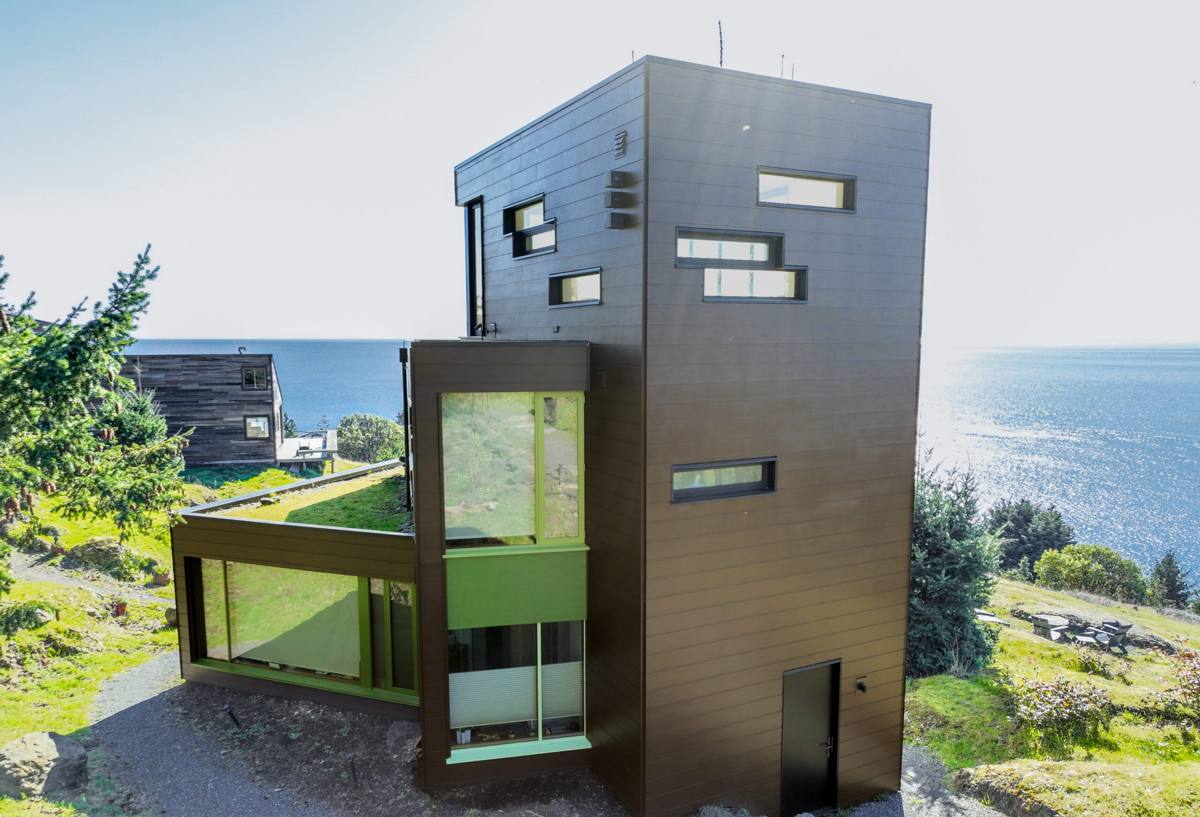
California Creek sits close enough to the water that homes here deal with a steady mix of salt-laden air, wind-driven rain, and long stretches of gray, damp weather. That combination is harder on windows than most homeowners realize. Salt air accelerates corrosion on hardware, hinges, and cheaper aluminum components. Driving rain — the kind that comes in sideways off Semiahmoo Bay rather than straight down — finds its way into gaps and flashing details that would hold up fine in a drier climate. And the region's long moss season keeps humidity elevated around window frames for months at a time, which is exactly the condition wood rot and failed seals need to take hold.
None of this means windows in California Creek fail faster because the products are bad. It means the installation details matter more here than they would in, say, eastern Washington. A window that's slightly out of level, under-flashed, or sealed with the wrong material might go five years without an obvious problem inland. On the coast, that same shortcut often shows up in two or three.
Signs a California Creek Home Is Due for Window Replacement
Most homeowners call us after noticing one or two of these, not because they went looking for a problem:
- Fogging or a permanent haze between the panes — the seal on the insulated glass unit has failed
- Windows that are hard to open, close, or lock, especially after a stretch of wet weather
- Visible gaps, soft spots, or discoloration in the wood trim or sill around the frame
- A cold draft near the window even when it's fully closed and latched
- Condensation forming on the inside of the glass regularly through fall and winter
- Rising energy bills without any other obvious change in the home
- Paint that keeps peeling or bubbling on the interior trim near a specific window
Any one of these can be a minor fix. Several at once, or a pattern that keeps recurring on the same wall (usually the side that takes the prevailing wind and rain), usually means the window itself — or the flashing behind it — has reached the end of its useful life.
What a Correct Window Replacement Actually Involves
It's Not Just Swapping Glass and Frame
The window unit itself is often the easy part. What determines whether a replacement lasts is the work most homeowners never see: how the old unit is removed, what condition the rough opening is in once it's exposed, and how the new window is flashed and sealed back into the wall assembly.
On a coastal property like this, we pay particular attention to:
- Rough opening condition: Removing the old window is when hidden rot or water damage gets found — better to catch it now than have it force a repeat job in a few years
- Flashing sequence: Water needs a clear path down and out, never inward. This means correct layering of flashing tape, house wrap, and sill pan — in the right order, lapped the right direction
- Sealant selection: Not every caulk or sealant is rated for constant salt-air exposure and UV; we use products suited to marine-adjacent climates, not just whatever's cheapest at the box store
- Insulation and air sealing: Gaps around the new frame get properly insulated, not just stuffed with excess fiberglass, to avoid both drafts and moisture traps
- Exterior trim and finish: Whatever trim or siding meets the window gets re-integrated cleanly, so the whole assembly sheds water as one system rather than as separate parts
Why This Matters More Here Than Elsewhere
A rushed or corner-cut install might pass a casual look for a year or two. In a driving-rain, high-humidity environment, a missed flashing detail turns into water intrusion behind the siding — and by the time it's visible from inside, there's often already damage to the framing. Doing it right the first time costs less than doing it twice.
Frame Material Options for This Climate
There's no single "best" window material — the right choice depends on budget, maintenance appetite, and what the rest of the home looks like. Here's how the common options hold up specifically in a coastal Whatcom County setting:
| Material | Salt Air / Moisture Behavior | Maintenance | Typical Trade-Offs |
|---|---|---|---|
| Vinyl | Handles moisture and salt exposure well; won't corrode or rot | Low — occasional cleaning | Frame colors and profiles are more limited than wood or fiberglass |
| Fiberglass | Excellent — very stable in temperature swings and damp conditions | Low | Higher upfront cost than vinyl |
| Wood | Attractive but needs consistent upkeep to resist rot in this climate | High — regular painting/sealing | Best suited to homes where matching existing wood trim matters more than low maintenance |
| Aluminum | Prone to corrosion and condensation in salt-air, high-humidity settings | Moderate to high | We generally steer clients away from bare aluminum for this specific location |
| Wood-clad (wood interior, vinyl/fiberglass exterior) | Good — exterior shell protects the wood from weather | Low to moderate | A common middle ground for homeowners who want a wood look inside |
For most California Creek homes, we recommend vinyl or fiberglass for the exterior-facing performance, with clad options available where the interior look matters. We'll walk through what makes sense for your specific home rather than pushing one product line — the right call depends on your siding, trim style, and how much upkeep you want to take on.
Our Process, Start to Finish
1. On-Site Assessment
We look at each window individually — not every window on a home needs replacing at the same time, and we'll tell you honestly which ones are still fine.
2. Measurement and Product Selection
Once we know what's being replaced, we measure precisely and go over frame material, glass options, and hardware finishes that hold up to salt air.
3. Removal and Opening Inspection
Old windows come out carefully, and we inspect the rough opening before anything new goes in. If there's rot or water damage, we flag it and address it before proceeding — not after the new window is already installed over it.
4. Flashing, Installation, and Sealing
New units are set level and square, flashed correctly, insulated, and sealed with climate-appropriate materials.
5. Trim, Cleanup, and Walkthrough
Interior and exterior trim get finished, the site is cleaned up, and we walk through the work with you before calling the job done.
Why It Matters to Hire a Crew That Already Works This Area
A crew that regularly works California Creek and the surrounding Semiahmoo area already knows which details tend to fail here — which wall orientations take the worst weather, how the local moss and moisture pattern behaves through the wet season, and what flashing and sealing approach actually holds up rather than just looking right on install day. That's different from general contracting experience alone. We're not learning the coastal Whatcom County climate on your project; we've already seen how shortcuts show up two winters later on homes just like yours.
What to Ask Before You Sign a Window Contract
- Is the rough opening inspected for rot or damage before the new window goes in, and what happens if something's found?
- What flashing method and sequence will be used, specifically?
- Is the sealant rated for coastal/salt-air exposure, or a general-purpose product?
- What's covered under warranty — the product, the labor, or both — and for how long?
- Will the same crew members be on-site for the whole job, or subcontracted out?
- Is the estimate itemized by window, or one lump number with no breakdown?
- How is disposal of the old windows handled?
A contractor who answers these clearly and specifically, without hesitation, is usually one who does this work regularly and correctly.
What Affects the Cost
We don't quote firm pricing without seeing the job, but these are the main factors that move the number up or down:
| Factor | Effect on Cost |
|---|---|
| Frame material (vinyl vs. fiberglass vs. wood-clad) | Higher-performance materials cost more upfront |
| Number of windows replaced at once | Bundling windows typically lowers the per-unit cost |
| Condition of the rough opening | Hidden rot or damage adds repair time and material |
| Window size and configuration | Larger or custom-shaped windows cost more than standard sizes |
| Glass package (standard vs. upgraded low-E, tempered, etc.) | Upgraded glass adds cost but improves comfort and durability |
| Trim and exterior finish work required | More extensive trim repair or matching adds labor |
As a general guide, single-window replacement projects on homes like these typically fall in a broad mid-thousands-per-window range depending on size and material, with whole-home projects priced per window and adjusted for scope. We'll give you a real, itemized number after seeing the windows in person — not a guess over the phone.
Living With New Windows Through Whatcom County Winters
Once new windows are in, a little routine care keeps them performing well through the wet season:
- Wipe down frames and tracks periodically to clear salt residue and grime before it builds up
- Check weep holes (on vinyl and fiberglass units) to make sure they're clear and draining properly
- Inspect exterior caulking annually, especially after a hard winter, and touch up if it's cracking
- Keep gutters and nearby vegetation clear so water and moss don't sit against window trim
- Address any new drafts or moisture signs early rather than waiting for them to worsen
These new windows are built for this environment, but even the best install benefits from a homeowner keeping an eye on things once a year.
If your windows are showing any of the signs above, or you just want an honest read on their condition, we're happy to take a look. The form below gets you a free, no-pressure estimate — we'll tell you what actually needs doing and what can wait.