 Semiahmoo Siding
 Building Decks for California Creek's Specific Conditions
California Creek sits close enough to the water that every outdoor structure on a property deals with a different set of stresses than a deck built twenty miles inland. Homes here get a steady dose of salt-laden air off the Semiahmoo shoreline, driving rain that comes in sideways during winter storms, and a moss season that can stretch from late fall well into spring. A deck built to a generic, one-size-fits-all spec often looks fine the first summer and then starts showing problems by year three — soft spots near the ledger, corroded fasteners, slick green film on the walking surface. We build decks specifically for this stretch of Whatcom County, and that means every material and connection choice gets filtered through the question: how does this hold up here, not just anywhere.
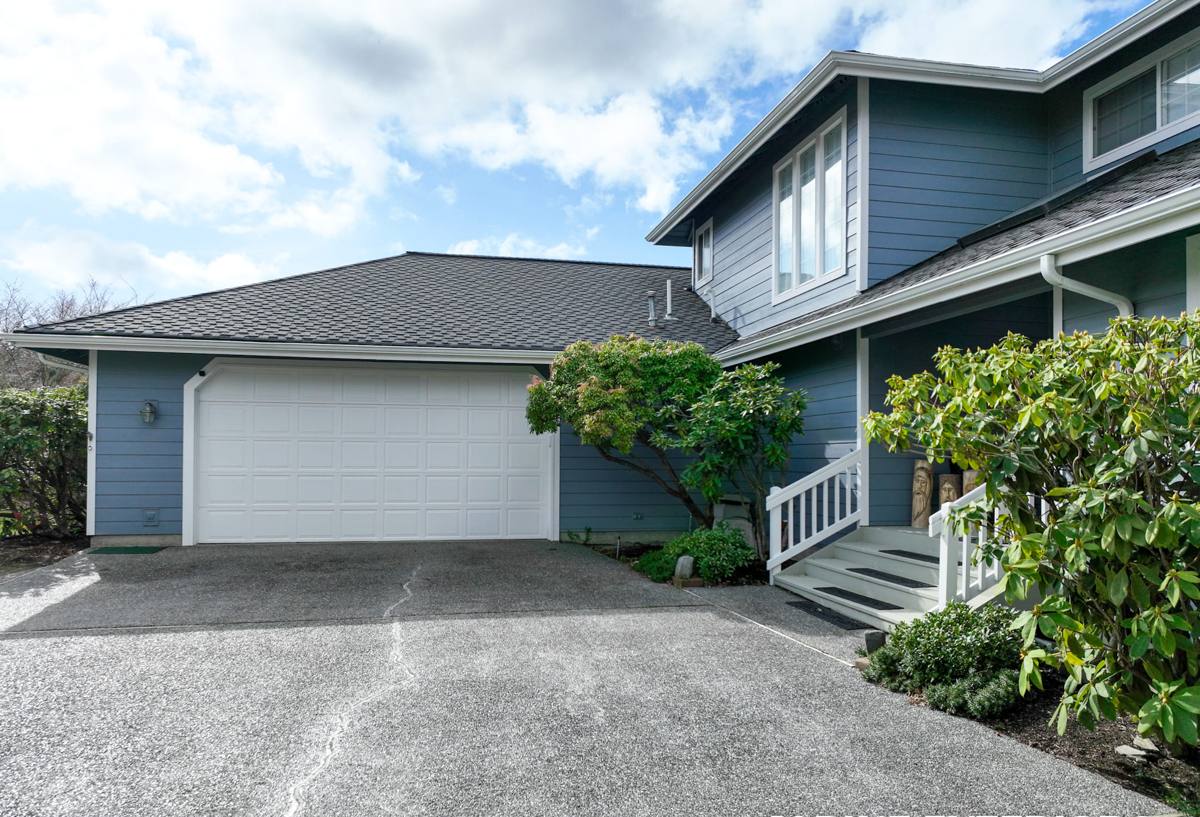
The Local Climate Factors That Shape a Deck Build
Salt Air and Metal Fatigue
Proximity to Semiahmoo's shoreline means airborne salt settles on everything, including deck hardware. Standard zinc-coated screws and brackets that are perfectly adequate a few miles inland can start showing rust streaks within a couple of seasons out here. That corrosion isn't just cosmetic — a fastener that's losing material at the shank is losing holding strength, and that matters most at structural connections like ledger bolts and joist hangers.
Driving Rain and Moisture Intrusion
Whatcom County storms don't always fall straight down. Wind-driven rain gets pushed under boards, into end grain, and behind ledger boards where it can sit against the house framing for days without drying. Decks that ignore proper flashing and drainage detailing end up trapping water exactly where it does the most damage — against the rim joist, at the ledger connection, and in fastener holes that were never sealed.
Moss Season and Walking Surface Safety
The long stretch of wet, mild weather that lets moss take over a north-facing deck also makes certain decking surfaces genuinely dangerous underfoot. A board that looks fine in July can turn into a skating rink by January if it doesn't shed water well or has a texture that traps organic buildup. This is a bigger factor in material selection here than most homeowners realize until they've lived through one wet winter.
What a Properly Built Deck Involves
Framing That's Sized for the Load and the Climate
Joist spacing, beam sizing, and post footings all need to account for both the actual load the deck will carry (furniture, hot tubs, gatherings) and the reality that framing lumber in a marine climate needs a fighting chance to dry out between rain events. That means proper ventilation under the deck, joist tape or flashing on top of framing members to keep fasteners from sitting in standing water, and footings set below frost depth and clear of drainage paths.
Decking Material Choices
There's no single "best" decking material — there's a best material for a given budget, maintenance appetite, and exposure. Here's how the common options actually perform under Semiahmoo's conditions:
| Material | Moisture Behavior | Moss/Algae Resistance | Maintenance |
|---|---|---|---|
| Pressure-treated fir/hem-fir | Absorbs and releases moisture readily; prone to cupping if not sealed | Low — needs regular cleaning and treatment | Annual sealing/staining recommended |
| Cedar | Naturally moisture-resistant, but surface still needs protection | Moderate | Periodic oiling or sealing |
| Composite decking | Doesn't absorb water into the core; shedding depends on board profile | Moderate to good, varies by brand and texture | Low — occasional washing |
| PVC/capped composite | Fully sealed surface, sheds water well | Good, especially with textured or grooved profiles | Lowest — soap and water |
We'll walk you through the real trade-offs for your specific deck's exposure — a fully shaded, north-facing deck near tree cover has different needs than one that gets afternoon sun most of the year.
Fasteners and Hardware Rated for the Exposure
Given the salt air issue, we spec stainless steel or heavy-duty coated fasteners and structural hardware at every connection point that matters — ledger bolts, joist hangers, post bases. It costs more upfront than standard hardware, but replacing corroded structural connections after the fact means tearing into a finished deck, which costs far more.
Ledger Attachment and Water Management
The ledger board — where the deck attaches to the house — is the single most common failure point on decks in wet coastal climates, and it's also a safety issue, not just a maintenance one. A ledger that's improperly flashed lets water track behind it and into the house rim joist, leading to rot that can go undetected for years because it's hidden behind the deck boards. Correct practice includes:
- Proper flashing installed between the ledger and the house sheathing, integrated with the house's existing water-resistive barrier
- A gap or flashing detail that lets any water that does get behind the ledger drain back out rather than pooling
- Structural bolts (not just deck screws) at proper spacing, sized to the actual load path
- Through-bolted or approved mechanical connectors rather than relying on nails alone
This is also the area where we most often find shortcuts on older or DIY-built decks — flashing skipped entirely, or lag screws used where the load calls for through-bolting. If your existing deck needs a rebuild, this is one of the first things we evaluate.
Our Process for California Creek Deck Projects
Site Assessment
We start by looking at sun exposure, prevailing wind and rain direction, existing drainage on the property, and how close the deck will sit to salt-influenced air. A deck tucked against a windbreak of trees faces different moss and moisture pressure than one facing open water-adjacent exposure.
Design and Permitting
Whatcom County and local jurisdiction permitting requirements apply to most deck builds above a certain height or attached to the home's structure. We handle the design work with those requirements in mind from the start, so the plan doesn't need revising mid-permit review.
Build, Inspection, and Walkthrough
We build to the plan, coordinate any required inspections, and walk the finished deck with you — covering how the specific materials we used should be cleaned and maintained, and what to watch for as the seasons turn.
Maintaining a Deck Through a Marine Climate Winter
Even a well-built deck needs some seasonal attention here. A simple annual routine keeps small issues from becoming structural ones:
- Clear leaves and debris from between boards before fall rains set in — trapped organic matter holds moisture and feeds moss growth
- Check and clear any gaps or drainage paths under the deck so water isn't pooling against framing
- Inspect ledger flashing and fastener heads for early rust staining or movement
- Clean moss and algae buildup with an appropriate cleaner before it becomes a slip hazard, rather than waiting until spring
- Reseal wood decking on the manufacturer's recommended schedule — don't stretch it an extra year to save a weekend
- Check railing post connections annually, since these take repeated stress from leaning and moisture cycling
Why a Crew That Already Works This Area Matters
A contractor who builds decks across a wide range of inland climates can still do competent framing, but the details that matter most here — hardware selection, flashing detail, decking material choice for moss resistance — come from having actually maintained and repaired decks through a few Whatcom County winters. We've seen which shortcuts show up as callbacks two years later, and we build to avoid them the first time. That's not a marketing line, it's just what happens when a crew works the same coastline repeatedly instead of moving between climates project to project.
Cost Factors to Expect
Every deck's cost depends on size, material, height off grade, and structural complexity, but a few factors tend to move the number more than homeowners expect in this area specifically:
| Factor | Why It Affects Cost Here |
|---|---|
| Fastener and hardware grade | Stainless or marine-grade hardware costs more than standard but avoids early corrosion |
| Ledger and flashing detail | Proper flashing integration takes more labor time than a shortcut attachment |
| Footing depth and count | Frost depth and soil conditions near the water can require deeper or additional footings |
| Decking material | Low-maintenance capped composite costs more upfront but less over a 10-15 year span than wood needing annual sealing |
| Ventilation and drainage detailing | Under-deck drainage systems add cost but prevent moisture problems in enclosed or low-clearance decks |
If you're planning a new deck or replacing one that's showing its age in California Creek, we're happy to come take a look and give you a straightforward, no-pressure estimate — just fill out the form below and we'll get in touch.