 Semiahmoo Siding
 Siding Replacement Built for Blaine's Waterfront Climate
Blaine sits about as close to the water as a Whatcom County home can get, tucked between Semiahmoo Bay, Drayton Harbor, and the Canadian border. That location is part of what makes it a great place to live — and part of what makes siding replacement here a different job than siding work done twenty miles inland. Homes in Blaine take on salt-laden air, wind-driven rain off the water, and long stretches of shade and dampness that keep moss and algae active for most of the year. Siding that isn't specified for this kind of exposure tends to show its age early: fading, swelling, soft spots, and green growth that keeps coming back no matter how often it's cleaned.
This page focuses on one thing: what a correct siding replacement looks like for a Blaine home, and why the details matter more here than they would in a drier, more sheltered part of the county.
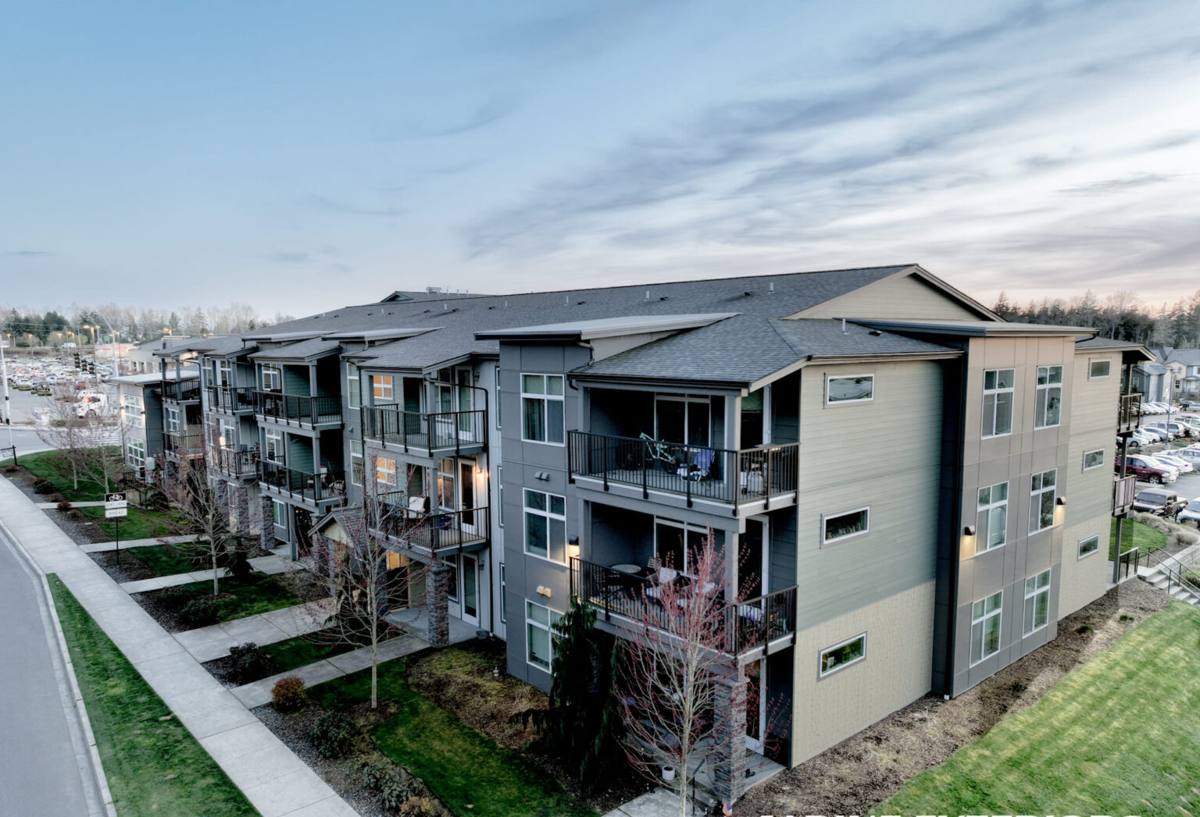
What Blaine's Climate Actually Does to Siding
Salt Air
Homes within a mile or two of Semiahmoo Bay and Drayton Harbor are exposed to airborne salt, especially on west- and south-facing walls that catch onshore wind. Salt air accelerates corrosion of fasteners, flashing, and trim hardware, and it can dull or chalk certain finishes faster than inland exposure would. Anything metal in the wall assembly — nails, screws, drip caps, J-channel — needs to be corrosion-resistant, not just standard-grade.
Driving Rain
Wind off the water doesn't just drop rain straight down — it pushes it sideways into wall surfaces, seams, and trim joints. That means water-resistive barriers, flashing details, and caulking at penetrations carry more of the workload here than on a calm, inland lot. A siding job that looks fine on a dry day can leak within a year or two if the water management behind the siding was rushed.
Moss and Algae Season
Blaine's tree cover, marine humidity, and mild winters add up to a moss and algae season that runs longer than most of the state. North-facing walls, areas under eaves, and anything shaded by mature trees stay damp for extended periods. Siding material that absorbs moisture gives moss something to root into; siding that sheds water and dries quickly doesn't.
Why We Only Install James Hardie Fiber Cement
We've made a deliberate call as a company: we install James Hardie fiber cement siding, and we don't install vinyl, LP SmartSide, primed wood, or other fiber cement brands. That's not a marketing line — it's a standard we hold ourselves to because of what we see happen to siding in exactly the conditions Blaine deals with.
- Non-combustible material that doesn't rely on a plastic or wood-fiber base that can soften, swell, or delaminate under sustained moisture exposure.
- ColorPlus factory-applied finish, baked on under controlled conditions rather than field-painted, which holds color and resists the fading that salt air and UV exposure cause faster on the coast.
- HZ5 product engineering built specifically for wetter, harsher climates — this isn't a generic siding panel, it's a product line designed with regions like ours in mind.
- Dense, moisture-resistant composition that gives moss and algae a much harder surface to colonize than wood-based siding.
- A strong transferable warranty backed by a manufacturer that's been refining this exact product category for decades.
We're not going to pretend other products don't have their place — vinyl is inexpensive, LP SmartSide has genuine fans, and cedar has real curb appeal. But in a climate that combines salt air, sideways rain, and near-constant dampness for months at a time, we've decided the trade-offs on those products aren't ones we're willing to put our name behind. Hardie is what goes on the homes we work on.
What a Correct Siding Replacement Involves
Replacing siding isn't just swapping old panels for new ones. In a marine-exposed area like Blaine, the work underneath the visible siding is at least as important as the siding itself.
1. Tear-Off and Sheathing Inspection
Once the old siding comes off, we check the sheathing for soft spots, rot, or prior water intrusion — especially around window and door openings, where driving rain finds its way in first. Any damaged sheathing gets replaced before anything new goes up; covering over a compromised wall just hides the problem.
2. Water-Resistive Barrier and Flashing
A weather-resistant barrier goes over the sheathing, with flashing detailed at every window, door, and penetration to direct water back out rather than behind the siding. This is where wind-driven rain gets managed — get it wrong and no amount of quality siding on top will keep a wall dry.
3. Corrosion-Resistant Fasteners and Hardware
Given the salt exposure this close to the water, we use fasteners and flashing components rated for coastal or marine environments, not standard interior-grade hardware that can start rusting within a couple of seasons.
4. Proper Installation to Manufacturer Spec
James Hardie siding performs the way it's rated to perform only when it's installed to spec — correct nailing patterns, proper clearances from grade and roof lines, and correctly sealed or shiplapped joints. Installation quality is often the difference between siding that lasts decades and siding that fails early despite being a good product.
5. Trim, Caulking, and Final Detailing
Trim boards, corner details, and caulking at joints and penetrations get finished last. These are small details, but they're usually where leaks start if they're rushed.
Comparing Siding Options for a Blaine Home
| Factor | James Hardie Fiber Cement | Vinyl | Wood / Cedar |
|---|---|---|---|
| Salt air resistance | Strong — engineered dense composition | Can become brittle and discolor faster near salt exposure | Vulnerable without diligent maintenance |
| Moisture / moss resistance | High — doesn't absorb water like wood-based products | Doesn't absorb water, but seams and warping create moss-trapping gaps | Absorbs moisture, prone to moss and rot in shaded, damp areas |
| Finish durability | Factory-baked ColorPlus finish resists fading | Color molded in, can fade and chalk over time | Needs repainting or restaining on a recurring cycle |
| Fire resistance | Non-combustible | Combustible (plastic-based) | Combustible |
| Long-term maintenance | Low — occasional wash and caulk check | Low, but cracking/warping can appear over time | High — regular sealing, painting, and rot inspection |
Signs a Blaine Home May Need Siding Replacement Soon
- Recurring moss or algae growth that returns within weeks of cleaning, especially on north- or shade-facing walls
- Soft, spongy, or bubbling spots when you press on the siding
- Visible warping, cupping, or gaps at seams and corners
- Peeling or bubbling paint that keeps coming back despite repainting
- Rust streaks near fasteners or trim, a common sign near the water
- Rising energy bills that suggest the wall assembly is no longer sealing properly
- Visible daylight or drafts around window and door trim
Why It Matters to Hire a Crew That Already Works Blaine
Siding installation isn't identical everywhere in Whatcom County. A crew used to working further inland may not automatically account for the corrosion-resistant hardware, flashing emphasis, and moisture management that a bay-adjacent property in Blaine actually needs. Working this area regularly means we already know which walls take the worst of the wind and rain, where moss tends to establish first, and how to detail a job so it holds up through another wet Pacific Northwest winter — not just look good on installation day.
We also know this stretch of coastline well enough to set realistic expectations. A quality install on a Blaine home, done to spec with the right materials, should mean decades before you're thinking about siding again — not a callback in three years for a problem that should have been caught during installation.
What to Expect From Our Process
- On-site assessment — we look at your home's exposure, existing siding condition, and any signs of water intrusion or sheathing damage.
- Honest scope and product discussion — we'll walk through what your home actually needs, including whether full replacement or targeted repair makes more sense.
- Written estimate — clear scope, materials, and timeline, with no pressure to decide on the spot.
- Tear-off and inspection — old siding comes off, sheathing gets checked and repaired as needed.
- Water management and installation — barrier, flashing, and Hardie siding installed to manufacturer spec.
- Final walkthrough — we go over the finished job with you before calling it done.
If your Blaine home is showing signs of wear from salt air, driving rain, or persistent moss, we're happy to take a look and give you an honest read on what it needs. Reach out for a free, no-pressure estimate — there's no obligation, and you'll walk away with a clear picture of your options either way.