 Semiahmoo Siding
 Roof Replacement Built for Blaine Harbor's Marine Climate
Blaine Harbor sits right where Semiahmoo Bay, Drayton Harbor, and the open water off the Strait of Georgia meet the land, and that location shapes everything about how a roof ages here. Salt-laden air moves in off the water almost daily, wind-driven rain comes in sideways during winter storms, and the shaded, damp lots common to this part of Whatcom County keep roofs wet for days after a system passes through. A roof that would hold up fine in a drier inland climate can fail early here if it wasn't installed with this specific exposure in mind.
Roof replacement in Blaine Harbor isn't just about swapping old shingles for new ones. It's about choosing materials and installation details that account for corrosion, moisture cycling, and moss pressure that most manufacturers' generic warranty language doesn't fully address. This page covers what that actually looks like.
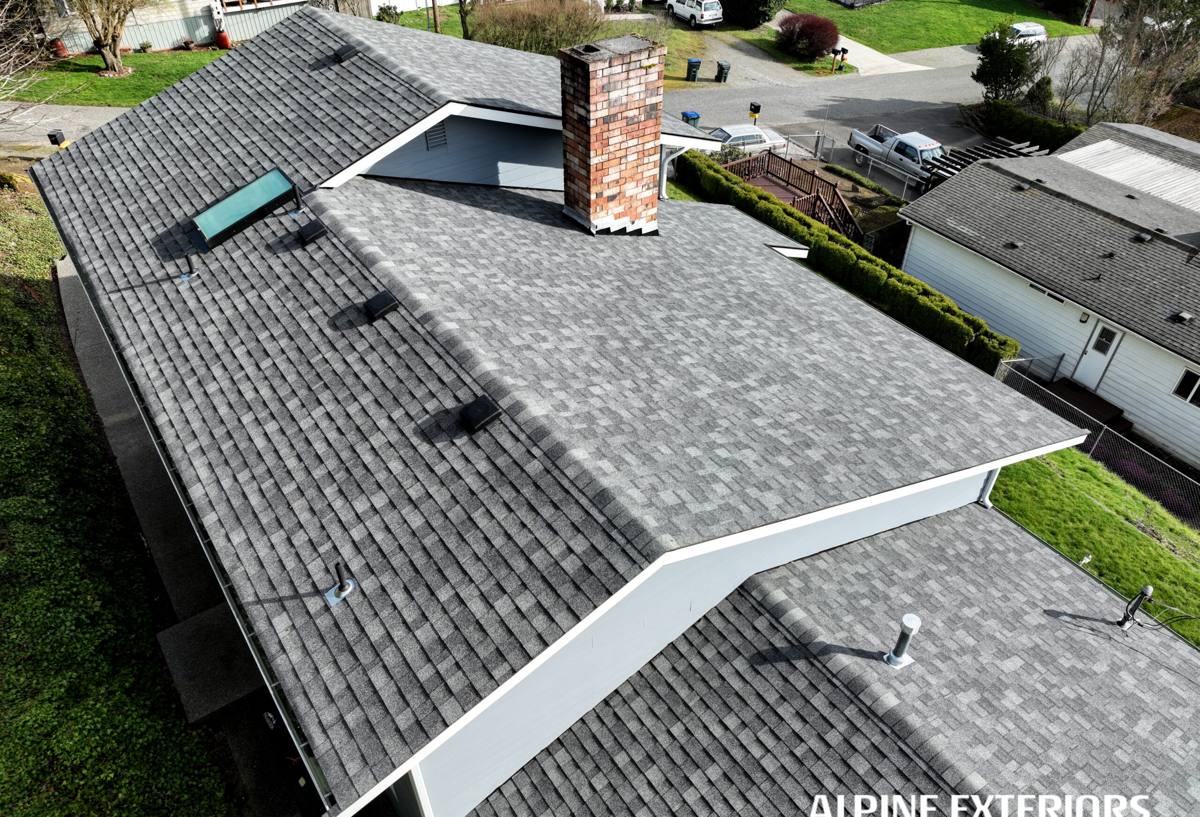
What Salt Air, Rain, and Moss Do to a Roof Here
Salt Air and Metal Corrosion
Salt air accelerates corrosion on any exposed metal component — flashing, fasteners, vent caps, gutter hardware. On a standard asphalt roof, the fasteners and flashing are often the first things to fail, well before the shingles themselves wear out. If those components aren't rated for coastal exposure, you can end up with leaks around penetrations and edges even though the field of the roof still looks fine.
Driving Rain and Wind Uplift
Storms coming off the water tend to bring rain at an angle, not straight down. That matters because standard shingle installations rely on gravity and overlap to shed water moving downward. Wind-driven rain can work its way up and under shingles, laps, and flashing details that weren't sealed with coastal conditions in mind. Wind uplift is a related concern — a roof facing open water exposure needs fastening patterns and edge details sized for real wind load, not the minimum spec.
Moss and Prolonged Moisture
Whatcom County's long wet season, combined with shaded lots and mild temperatures, gives moss a long window to establish itself. Moss holds moisture against the roof surface, which speeds up granule loss on asphalt shingles and can lift edges enough to let water underneath. Left unaddressed for a few seasons, moss growth turns a cosmetic issue into a structural one.
Signs a Blaine Harbor Roof Needs Replacing, Not Just Repairing
- Granules collecting in gutters or at downspout outlets in noticeable amounts
- Moss or algae streaking that comes back within a season of cleaning
- Curling, cupping, or cracked shingles, especially on south- and west-facing slopes
- Rust staining or visible corrosion around flashing, vents, or metal edges
- Soft spots, sagging, or daylight visible through the roof deck from the attic
- Leaks that show up during wind-driven storms but not in calm rain
- A roof over 20 years old that hasn't had a full tear-off, regardless of appearance
Any one of these on its own might be repairable. Several together, especially on a roof already past 15-20 years, usually mean repair costs start approaching what a full replacement would run — and a patched roof in this climate rarely buys as many extra years as homeowners hope.
What a Correct Roof Replacement Involves Here
Tear-Off and Deck Inspection
A full tear-off to the deck is the only way to actually see what's underneath — soft or rotted sheathing, hidden moisture damage, or old flashing that's been failing quietly for years. Roofing over an existing layer hides these problems and shortens the life of the new roof, especially in a wet climate where trapped moisture between layers has nowhere to go.
Underlayment Suited to the Exposure
Given how much wind-driven rain this area sees, underlayment choice matters more here than in drier regions. Synthetic underlayment with strong water resistance, plus self-adhered membrane at eaves, valleys, and other vulnerable areas, gives the roof a real second line of defense if wind ever pushes water past the primary roofing material.
Corrosion-Resistant Flashing and Fasteners
All flashing, drip edge, and fasteners should be specified for coastal or marine exposure rather than standard-grade hardware. This is one of the details that's invisible once the job is done but determines whether the roof is still watertight in ten years or showing rust streaks and loosening flashing in three.
Ventilation That Matches the Climate
Proper attic ventilation keeps moisture from condensing inside the roof system, which matters even more in a climate where the air outside is often humid. Balanced intake and exhaust ventilation also helps limit the temperature swings that contribute to premature shingle aging and ice buildup during cold snaps.
Moss Prevention Built In
Where it fits the material and the home's exposure, we discuss options like zinc or copper strips near ridges, which help suppress moss regrowth over time using normal rainfall to carry trace metals down the roof surface. It's not a substitute for periodic cleaning, but it reduces how often that cleaning is needed.
Material Options for Blaine Harbor Homes
| Material | Coastal Performance | Maintenance | Typical Lifespan |
|---|---|---|---|
| Architectural asphalt shingle | Good with marine-rated flashing/fasteners | Periodic moss treatment recommended | 25-30 years |
| Standing seam metal | Excellent water shedding, handles wind-driven rain well | Low; occasional coating inspection | 40-60 years |
| Cedar shake | Requires diligent upkeep in this moisture load | High; ongoing treatment against moisture and moss | 20-30 years with upkeep |
| Synthetic composite shingle | Good, consistent performance in wet/salt exposure | Low to moderate | 30-50 years |
We don't push one material as universally "best." Cedar shake, for example, can look great on the right home, but it demands a level of ongoing maintenance in this moisture environment that many owners underestimate going in — we'll say that plainly rather than sell a product that doesn't fit how the homeowner actually wants to spend their time. Architectural asphalt remains the most common choice locally because it balances upfront cost, appearance, and manageable maintenance when installed with coastal-appropriate details. Metal roofing costs more upfront but sheds wind-driven rain and resists moss better than almost anything else, which is worth discussing for homes with heavy tree cover or direct water exposure.
What Drives Cost on a Blaine Harbor Roof Replacement
- Roof size and pitch — steeper roofs and more complex geometry take longer and require more safety setup
- Material choice — asphalt, metal, and composite options carry different material and labor costs
- Deck condition — any sheathing replacement found during tear-off adds material and labor
- Number of penetrations — chimneys, skylights, and multiple vents each need individual flashing work
- Access and site conditions — tight lots, tree cover, or difficult staging near the water can affect labor time
- Ventilation upgrades — adding or correcting intake/exhaust ventilation as part of the job
We'd rather walk a homeowner through these factors on-site and give a number based on the actual roof than quote a per-square rate that doesn't hold up once we're up there. Broadly, most full asphalt replacements on typical Blaine Harbor homes land in the range of a solid mid-range remodel project, with metal roofing running higher upfront but lower over its longer service life.
Our Process for Blaine Harbor Roof Replacements
- On-site inspection — we look at the current roof, attic ventilation, and any signs of moisture or corrosion before recommending anything
- Written estimate — clear scope, material options, and pricing, no pressure to decide on the spot
- Tear-off and deck check — full removal of the old roofing so we can inspect and repair the deck as needed
- Underlayment and flashing installation — coastal-rated materials at eaves, valleys, and all penetrations
- Roofing material installation — installed to manufacturer spec plus the added wind and moisture details this location calls for
- Final walkthrough — we go over the finished roof, ventilation, and any moss-prevention measures installed
Why Local Coastal Experience Matters
A crew that hasn't worked Whatcom County's coastal edge before can install a technically correct roof by the book and still miss the details that matter here — the fastener grade, the underlayment upgrade at exposed edges, the flashing sequence that holds up against wind-driven rain off the water. We work Semiahmoo, Blaine, and the surrounding Whatcom County coastline regularly, so these aren't special-order upgrades for us — they're standard practice on every coastal job we do. That local pattern recognition is often the difference between a roof that needs attention again in five years and one that goes the full distance of its expected life.
If your roof is showing wear, or you just want an honest read on where it stands, we're happy to come take a look. Reach out for a free, no-pressure estimate using the form below.