 Semiahmoo Siding
 Building a Deck That Actually Holds Up in Birch Bay
Birch Bay sits close enough to the water that salt air is part of daily life, and that changes what a deck needs to survive. Add Whatcom County's long wet season, frequent driving rain off the Strait, and the moss that colonizes anything shaded or damp for more than a few weeks, and you have a climate that is genuinely harder on outdoor structures than most inland Washington communities. A deck built to a generic spec sheet will often look fine for the first year or two, then start showing problems the builder never had to think about somewhere drier.
This page covers what we've learned building and repairing decks specifically for Birch Bay homes — what the local conditions demand, what a correct build actually involves, and how our process is set up to account for it from the first conversation.
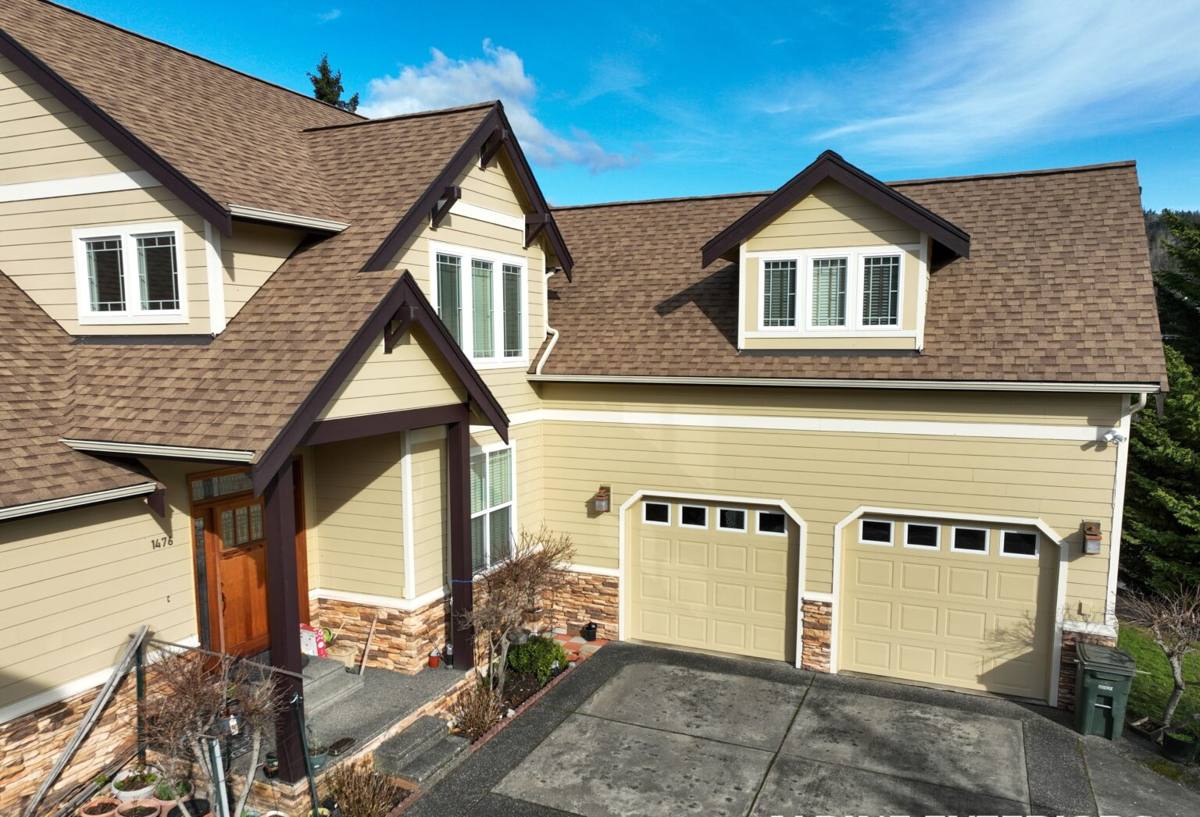
What Salt Air, Rain, and Moss Do to a Deck Over Time
Each of these three factors attacks a deck differently, and a good build has to address all three at once, not just the one that's most visible.
Salt Air and Corrosion
Airborne salt accelerates corrosion on any exposed metal — nails, screws, joist hangers, bolts, and railing hardware. Standard hot-dip galvanized fasteners can start pitting and staining within a few seasons this close to the water. Once a fastener corrodes, it loses holding strength long before it looks obviously bad, which is part of why hardware failure is one of the more common issues we find on older Birch Bay decks during inspections.
Driving Rain and Moisture Intrusion
Rain that comes in sideways off the water finds every gap a calm-weather rain would miss — around ledger board connections, under poorly flashed railing posts, and into end grain that wasn't sealed. Wood that stays wet longer than it can dry out is wood that rots, and a deck's structural framing is the last place you want that happening unnoticed underneath the decking boards.
Moss and the Long Wet Season
Whatcom County's mild, wet winters give moss and algae months to establish on any shaded or north-facing deck surface. Beyond looking bad, a mossy deck surface holds moisture against the wood and becomes slick and genuinely dangerous underfoot — not a cosmetic issue but a safety one, especially on stairs.
What a Correctly Built Deck for This Area Requires
None of the following is exotic — it's standard good practice applied consistently, which is exactly what tends to get skipped when a deck is built to hit a price point instead of a performance standard.
- Stainless steel or coated fasteners rated for coastal/marine exposure, not just standard exterior-grade hardware
- Proper ledger board flashing where the deck attaches to the house, to stop water from tracking behind the siding
- Joist tape or flashing on top of every joist to protect end grain and screw penetrations from standing water
- Footings sized and set below frost depth per local code, with attention to drainage around the base so water doesn't pool against posts
- Decking gaps sized to let the surface dry between rain events instead of trapping moisture
- Railing post connections that are through-bolted, not just screwed, since these take the most wind and lateral load in an exposed setting
Any one of these being skipped won't necessarily cause a visible problem right away. That's the trap — a deck can look completed and solid while carrying a weak point that only shows up as rot, a loose railing, or a stained ceiling on the level below, years later.
Choosing Decking Material for a Salt-Air Property
There's no single right answer here — it depends on how much maintenance you want to take on versus what you're comfortable paying up front. We'll walk through the honest trade-offs rather than push one product.
| Material | How It Handles This Climate | Maintenance | Typical Lifespan |
|---|---|---|---|
| Pressure-treated wood | Good if properly sealed and re-sealed; end grain and cut edges need extra attention near salt air | Annual cleaning and periodic sealing/staining | 15-20 years with upkeep |
| Cedar | Naturally resists rot and insects; still needs sealing to slow graying and moisture absorption | Regular cleaning, periodic oil or sealant | 20-25 years with upkeep |
| Composite decking | Doesn't absorb moisture or rot; some boards can be slicker when mossy film builds up, so surface texture matters | Periodic washing, no sealing or staining | 25-30+ years, manufacturer-dependent |
| PVC decking | Fully moisture-resistant, holds up well to salt exposure; can expand/contract more with temperature swings | Low — occasional washing | 25-30+ years, manufacturer-dependent |
For homes closer to the water or in more shaded, moss-prone spots, we lean toward recommending composite or PVC decking with a textured, grip-rated surface, simply because it removes the sealing maintenance that's easy to fall behind on here. For homeowners who want the look and feel of real wood and are willing to keep up with sealing on a schedule, cedar is a solid choice — we'll size the maintenance conversation to what you're actually planning to do, not what would be ideal in theory.
Railings, Stairs, and Hardware
Railings and stairs take the most direct weather exposure and the most physical load, so they're where cutting corners shows up fastest. We use corrosion-resistant hardware throughout, size railing posts and connections to current code requirements, and pay particular attention to stair stringers and treads, since a slick or weakened step is the most common source of injury on an older deck. If you're replacing an existing deck, this is also usually where we find the most deferred damage during our initial walkthrough.
Managing Moss Without Fighting It Every Season
You can't eliminate moss risk entirely on a shaded Birch Bay property, but you can design around it. Decking with more open drainage gaps, surface textures that don't trap film, and layout choices that reduce fully shaded, poorly ventilated areas all cut down how aggressively moss establishes. Combined with an occasional wash, this keeps the deck from needing a deep scrub-and-treat every spring.
Our Process, Start to Finish
- On-site consultation: We look at sun exposure, wind exposure, drainage, and how the deck connects to the house before talking materials.
- Design and material selection: We walk through the trade-offs above based on your budget and how much upkeep you want.
- Permitting: We handle the permit process with the county so the footings, railings, and structure meet current code — this matters more than people expect if you ever sell the home.
- Framing: Footings, posts, beams, and joists go in with the flashing, fasteners, and spacing specified above — this stage is where a deck's real lifespan is decided.
- Decking and railings: Surface material and railing systems are installed and checked for level, drainage, and secure connection.
- Final walkthrough: We go over the finished deck with you, including a plain-language rundown of what maintenance it actually needs and on what schedule.
Why a Crew That Already Works Birch Bay Matters
A contractor who mostly builds decks inland doesn't have daily experience with how fast salt air corrodes standard hardware, or how much a north-facing deck in this specific area will struggle with moss compared to one a mile inland. That's not a knock on general skill — it's just a different set of conditions than what most builders are used to accounting for by default. Working regularly in Whatcom County's coastal communities means the coastal-grade fastener and flashing decisions aren't an upsell we mention halfway through the job — they're the baseline we start from.
It also means we're familiar with the county's permitting expectations for decks in this area, which keeps the project moving instead of stalling on paperwork surprises.
Maintaining Your Deck After It's Built
Whatever material you choose, a few simple habits go a long way in this climate:
- Rinse or sweep the deck surface periodically, especially shaded areas, to keep moss from establishing
- Check railing connections annually for movement or corrosion, particularly near the water side of the property
- Keep gutters and downspouts clear so runoff isn't dumping extra water onto or near the deck
- If you have wood decking, stay on your sealing schedule — a missed year compounds faster in this climate than in a drier one
- Look underneath the deck occasionally for signs of moisture staining or soft wood near the ledger board
Getting Started
Every Birch Bay property sits a little differently in terms of sun, wind, and shade, so the right combination of materials and framing details varies from house to house. If you're planning a new deck or need an honest look at whether an existing one is holding up the way it should, we're happy to come take a look. The estimate is free, there's no pressure, and you'll get a straight answer about what your deck actually needs — not just what's easiest to sell.