 Semiahmoo Siding
 Why Window Performance Matters More Here Than Most Places
Bellingham and the Semiahmoo area sit right where marine weather meets a genuinely cold, wet winter. Homes here deal with a combination most window manufacturers don't design their standard product line around: salt-laden air off the water, driving rain that comes in sideways during winter storms, and long stretches of gray, damp months where moss and mildew get a foothold on anything that stays wet. Windows are one of the biggest thermal weak points in a house, and in this climate they're also one of the first places you'll see the effects of moisture intrusion — fogged glass, soft trim, drafts that show up the moment the wind picks up off the Strait.
An energy-efficient window replacement isn't just about a lower heating bill, though that's real. It's about closing off the specific failure points that Whatcom County weather exploits: poor flashing details, undersized weep systems, low-grade seals that break down faster in salt air, and glass packages that aren't rated for the wind-driven rain this area gets several months a year.
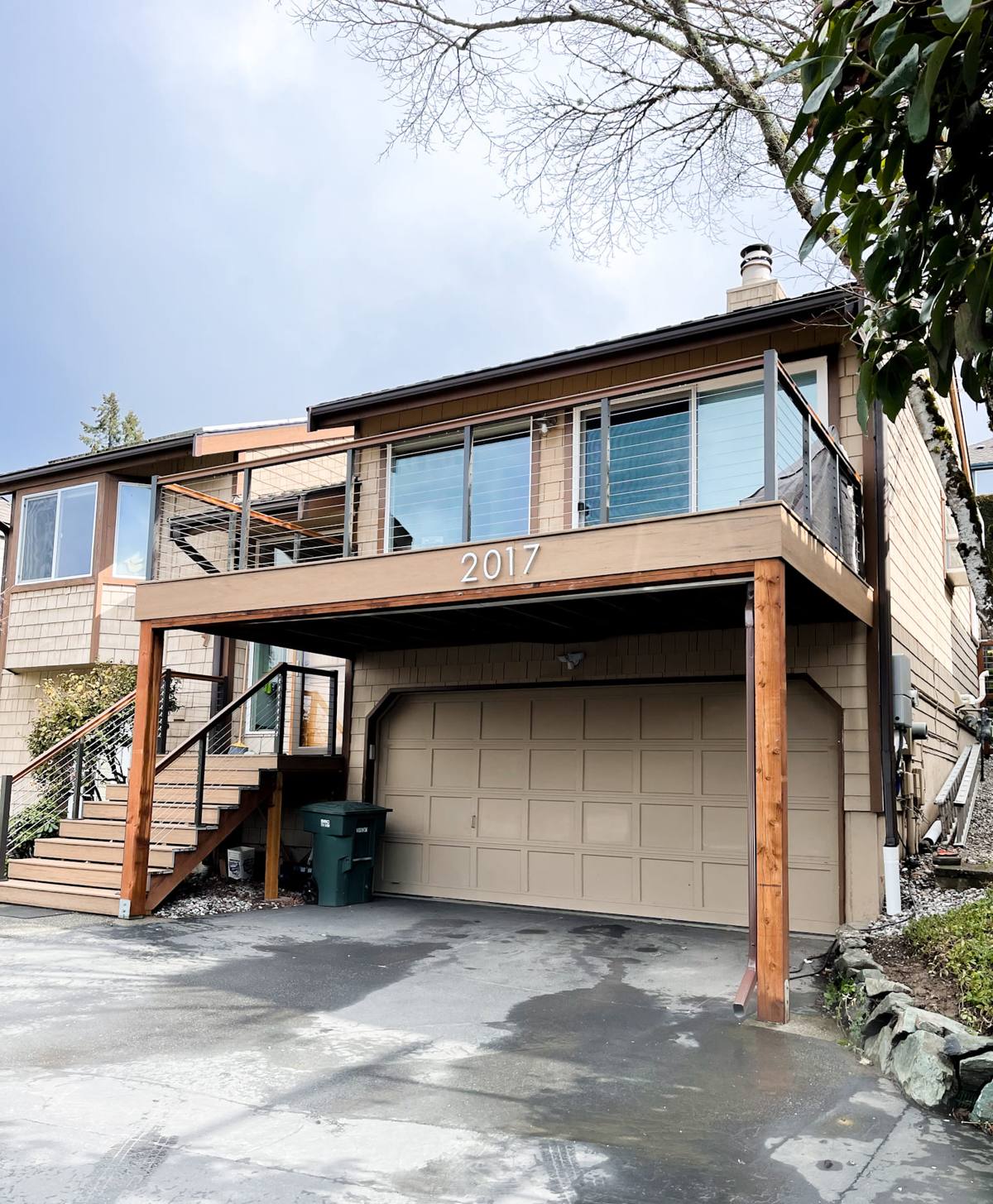
What Bellingham Homes Actually Need From New Windows
Salt Air and Corrosion Resistance
Properties closer to the water — which describes a lot of Bellingham and the Semiahmoo peninsula — see accelerated corrosion on hardware, screws, and lesser-grade aluminum components. Vinyl and fiberglass frames handle salt exposure better than bare aluminum, and the hardware (hinges, locks, balances) matters as much as the frame material. Cheap fasteners and mill-finish aluminum trim will show pitting and staining years before a quality vinyl or fiberglass unit does.
Driving Rain and Water Management
Wind-driven rain doesn't just hit a window — it tries to get behind it. That means the flashing, sill pan, and window opening prep matter as much as the window unit itself. A well-built window with a poor installation will leak. A modest window installed correctly, with proper flashing and a sloped sill pan that sheds water outward, will outperform it. This is the single most common thing we see get skipped on lower-bid replacement jobs in this area.
Condensation and Moss-Season Humidity
During the long stretch of overcast, damp months, indoor humidity fights with cold glass to create condensation — which, left unmanaged, feeds mold and rot at the sill and sash. Double- and triple-pane units with warm-edge spacer technology keep the interior glass surface warmer, cutting down on that condensation cycle significantly compared to older single-pane or early-generation dual-pane windows.
What "Energy-Efficient" Actually Means for a Window
The term gets used loosely in advertising, so here's what actually drives performance in a window built for this climate:
- U-Factor: Measures heat loss through the window. Lower is better — this is the number that matters most for Whatcom County winters.
- Solar Heat Gain Coefficient (SHGC): Controls how much solar heat passes through the glass. Moderate values work well here since we don't get the intense summer sun that drives SHGC decisions in hotter climates.
- Air Leakage Rating: Lower numbers mean less drafting — directly relevant given how much wind this area gets off the water.
- Glazing package: Double-pane with a low-E coating and argon or krypton gas fill is the practical standard for this region; triple-pane adds further benefit but at a real cost premium.
- Frame material: Vinyl and fiberglass resist the moisture and salt exposure common here better than wood (without cladding) or bare aluminum.
Quick Comparison: Frame Materials for This Climate
| Frame Material | Salt Air / Moisture Resistance | Maintenance | Typical Cost Position |
|---|---|---|---|
| Vinyl | Very good — won't corrode or rot | Low | Most affordable |
| Fiberglass | Excellent — very stable, resists warping | Low | Mid to higher |
| Wood (clad exterior) | Good if cladding is intact; interior wood needs upkeep | Moderate to high | Higher |
| Bare Aluminum | Poor — prone to pitting and thermal loss | Low, but performance degrades | Lower upfront, weaker long-term value |
We steer most Bellingham and Semiahmoo clients toward vinyl or fiberglass for the reasons above — not because other materials can't work, but because in a marine climate they require more upkeep or added protective detailing to perform as well over time. If a homeowner wants a wood-look interior, clad options exist that keep the weather-facing side low-maintenance.
How We Approach a Window Replacement Job
1. Assessment and Measurement
We look at every opening individually — orientation to wind and rain exposure, current condition of the framing and sill, and any existing water damage or rot that needs addressing before new windows go in. Replacing a window over compromised framing just locks the problem behind new trim.
2. Product Selection
We walk through frame material, glass package, and grille/style options based on the home's exposure and the homeowner's budget — not a one-size answer. A window on a sheltered wall doesn't need the same spec as one facing open water or prevailing wind.
3. Removal and Opening Prep
Old units come out carefully to avoid damaging surrounding siding or trim. We inspect the rough opening, repair any rot or soft framing found, and confirm the opening is square and properly prepped before anything new goes in.
4. Flashing and Sill Pan Installation
This is the step that determines whether a window leaks in five years or twenty. We install a proper sloped sill pan and integrate flashing with the existing weather-resistive barrier so water is directed out and down, never trapped behind the siding.
5. Window Installation and Sealing
Units are set plumb, level, and square, shimmed correctly to avoid frame distortion, and sealed with appropriate exterior sealant rated for this climate — not a generic caulk that will crack and shrink within a couple of seasons.
6. Interior and Exterior Finish
Trim, casing, and any siding disturbed during the swap gets finished to match the surrounding work, and we clean up thoroughly before calling the job done.
Signs Your Bellingham Home Needs New Windows
- Visible fog or moisture between panes (failed seal)
- Drafts you can feel near the frame on windy days
- Soft or discolored wood at the sill or lower corners
- Windows that are difficult to open, close, or lock
- Noticeably higher heating bills compared to similar-sized homes
- Condensation forming on the interior glass regularly through fall and winter
- Visible corrosion on aluminum-framed units
Cost Factors to Expect
Every home and opening is different, so we avoid quoting numbers that don't mean anything until we've actually looked at the job. What genuinely moves the price on a window project in this area:
| Factor | Why It Matters |
|---|---|
| Number and size of openings | Larger and more numerous windows increase material and labor |
| Frame material chosen | Fiberglass generally costs more than vinyl; both outperform bare aluminum here |
| Glazing package | Triple-pane and upgraded low-E coatings add cost but improve performance |
| Condition of existing framing | Rot or water damage found during removal adds repair scope |
| Access and story height | Second-story and hard-to-access openings take more time |
| Trim and siding integration | Matching existing exterior finish work adds labor |
Why Hire a Crew That Already Works This Area
Window installation looks similar everywhere on paper, but the details that keep water out are regional. A crew that installs mostly in drier inland climates isn't necessarily thinking about wind-driven rain load or salt exposure the way a crew working Whatcom County's coastal edge every week is. We've built our flashing and sealing details around what actually happens to a window on a home exposed to Semiahmoo-area weather — not a generic install checklist.
We also know this permitting and inspection environment, understand what local building code expects for window replacement, and can speak plainly about tradeoffs — including telling a homeowner when a repair, rather than a full replacement, is the more honest answer for their situation.
Maintenance That Extends the Life of New Windows
Even a well-installed, high-quality window benefits from basic upkeep in this climate:
- Rinse salt residue off frames and glass periodically if you're near the water
- Keep weep holes clear of debris, moss, and dirt so water can drain properly
- Inspect exterior caulking annually and touch up before gaps widen
- Clean track and hardware so moving parts don't seize or corrode
- Address any soft trim or paint failure early, before moisture reaches the framing
If your windows are drafty, fogged, hard to operate, or just older than the rest of your home's upgrades, we're happy to take a look and give you an honest read on what makes sense — repair, partial replacement, or a full upgrade. Reach out for a free, no-pressure estimate using the form below.