 Semiahmoo Siding
 Siding Installation Built for the Wiser Lake Climate
Homes in the Wiser Lake area of Semiahmoo don't fight the same weather as homes fifty miles inland. Whatcom County's coastal-influenced climate brings a steady mix of salt-tinged marine air, driving horizontal rain, and a moss season that can run eight or nine months out of the year. Siding here isn't just a cosmetic layer — it's the one thing standing between that weather and your framing, insulation, and interior walls, day after day, for decades.
A lot of siding problems we get called out for in this area aren't caused by bad materials. They're caused by installations that were done correctly for a drier, calmer climate and then asked to perform in a wetter, saltier one. Getting a siding installation right in Wiser Lake means designing for this specific environment from the first course to the last.
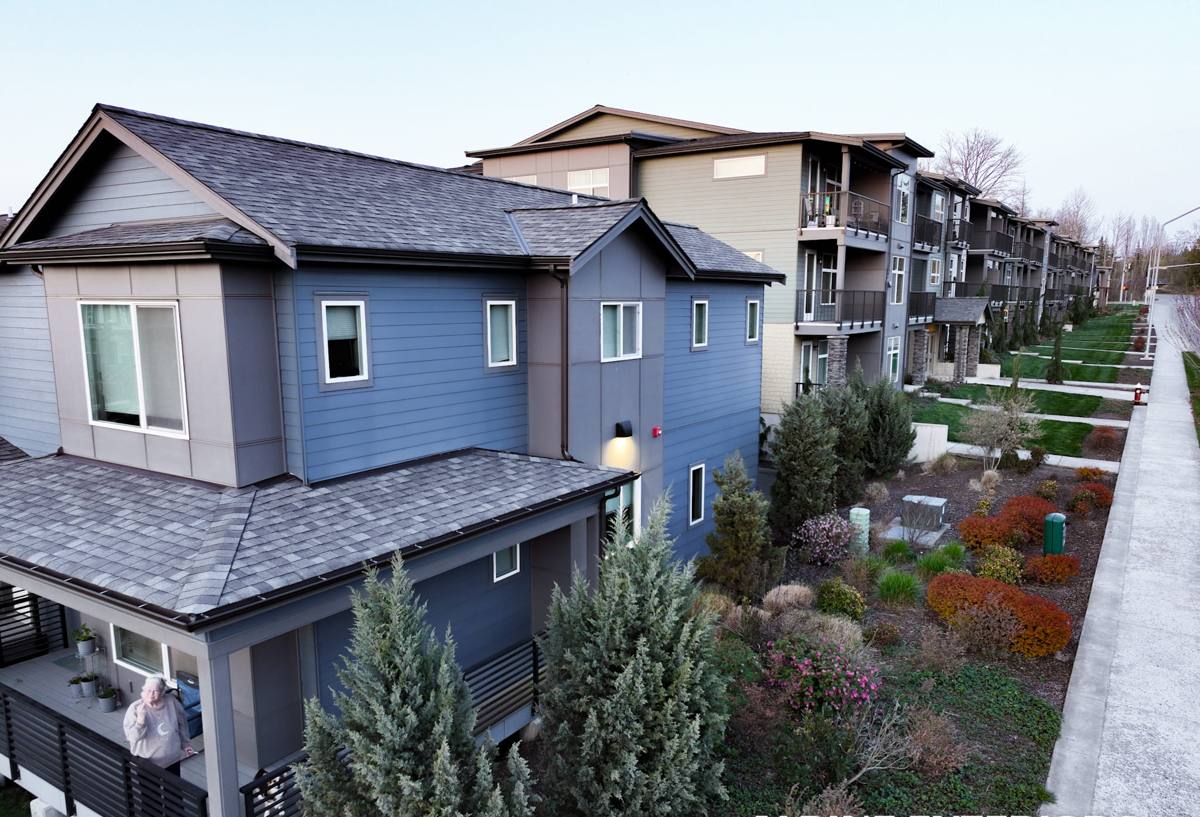
What Salt Air, Rain, and Moss Actually Do to Siding
Each of these three factors attacks siding differently, and a good installation has to account for all three at once.
Salt-laden air
Airborne salt accelerates corrosion on any exposed metal — fasteners, flashing, trim screws — and it's harder on paint and finish coatings than air further inland. Siding that isn't factory-sealed on all sides, or that relies on field-applied paint alone, tends to show fading and finish breakdown sooner near the coast.
Driving rain
Wind-driven rain doesn't just fall on siding, it gets pushed sideways into laps, seams, and butt joints. If the weather-resistive barrier behind the siding, the flashing details, and the caulking are even slightly off, water finds its way behind the cladding. Once that happens, the damage is usually invisible until it's serious — rot, mold, or a soft spot in the sheathing.
A long moss season
Cool, damp, shaded conditions for most of the year mean moss and algae get a real foothold on horizontal surfaces, in corner boards, and anywhere water sits instead of shedding. Moss holds moisture against the siding surface far longer than open air would, which shortens the life of any material that isn't dimensionally stable and moisture-resistant.
Why We Install Only James Hardie Fiber Cement Here
We standardized on James Hardie fiber cement siding for every job we take on, including installations around Wiser Lake, and we don't install vinyl, LP SmartSide, primed wood, or other fiber cement brands. That's not a marketing preference — it's a decision built around what actually holds up in this climate.
Fiber cement is non-combustible and dimensionally stable, meaning it doesn't expand, contract, warp, or cup the way wood-based products can when they cycle through wet and dry conditions repeatedly. James Hardie's ColorPlus finish is baked on at the factory under controlled conditions, which gives it better adhesion and UV resistance than field-applied paint — a real advantage when the coastal sun and salt air are working against the finish year-round. Hardie also engineers specific product lines for different climate zones, which matters more here than in milder inland areas.
What a Correct Installation Actually Involves
The siding product is only part of the equation. How it's installed determines whether it performs for 30-plus years or starts failing in five. A correct installation in the Wiser Lake area includes:
- A continuous, properly lapped weather-resistive barrier behind the siding, with no gaps or reverse laps that let water track downward into the wall assembly
- Rain screen or drainage gap detailing where appropriate, so any incidental moisture that gets behind the panels has a path to drain and dry instead of sitting against the sheathing
- Correct flashing at every window, door, roofline, and butt joint — the single most common failure point we find on older installations
- Fasteners installed to Hardie's specifications for length, spacing, and placement, driven flush without overdriving or underdriving
- Proper clearance at grade, decks, and roof lines so siding isn't sitting in standing water or trapped moisture
- Caulking only where Hardie's install guide calls for it — over-caulking traps moisture just as often as under-caulking lets it in
Skipping any one of these doesn't usually cause a visible problem on day one. It shows up two, five, or ten years later as trapped moisture, and by then the fix is bigger than it needed to be.
Choosing the Right Product Line and Finish
James Hardie makes several plank profiles and panel systems, and the right choice depends on the home's architecture, sun exposure, and how exposed it is to wind-driven rain. For most Wiser Lake homes, we're looking at:
| Product | Best fit for |
|---|---|
| HardiePlank lap siding | Traditional lap-siding look; the most common choice for standard single- and two-story homes |
| HardiePanel vertical siding | Accent walls, gables, or modern-style homes wanting a board-and-batten look |
| HardieTrim boards | Corner boards, window and door trim, fascia — matched durability to the field siding |
| ColorPlus factory finish | Homes where long-term finish durability against salt air and UV matters more than upfront cost |
Color and texture choices also matter more on homes with heavy tree cover or north-facing walls, where moss and algae growth is most persistent — smoother finishes and lighter, moisture-forward colors tend to show growth less and clean up more easily than deeply textured, dark options in those spots.
How the Process Works
We keep the process straightforward and communicate clearly at each stage, especially since Wiser Lake's weather windows for exterior work can be tighter than in drier climates.
- On-site assessment: We inspect the existing siding, sheathing, and any signs of moisture intrusion before quoting anything, since hidden damage changes the scope.
- Tear-off and sheathing check: Old siding comes off, and we inspect the sheathing underneath for rot or soft spots before anything new goes up.
- Weather barrier and flashing: This is the step that determines long-term performance more than any other, and we don't rush it.
- Hardie installation: Planks, panels, and trim go up to manufacturer specification, with attention to fastener placement and joint detailing.
- Final inspection and cleanup: We walk the finished job with the homeowner and clear the site fully.
What Siding Installation Typically Costs
Every home is different, but a few factors consistently drive cost up or down on jobs in this area:
| Factor | Effect on cost |
|---|---|
| Home size and number of stories | More surface area and taller walls both increase material and labor time |
| Condition of existing sheathing | Hidden rot or water damage found during tear-off adds repair scope |
| Home complexity | Dormers, gables, and lots of corners take more trim work and cutting than a simple rectangular footprint |
| Product selection | ColorPlus finishes and specialty trim cost more upfront than standard options but reduce future painting |
| Site access | Steep lots, limited driveway access, or tight setbacks near neighboring homes can add time |
We give honest, itemized estimates after seeing the home in person — we don't quote sight unseen, because the variables above genuinely change the number.
Maintenance After Installation
Correctly installed James Hardie siding is low-maintenance, but "low" isn't "none," especially in a climate that grows moss this readily. A rinse-down once or twice a year keeps salt residue and early moss growth from building up, and it's worth walking the exterior after major storms to check that caulking and trim are still tight. Because ColorPlus finish is factory-cured, homeowners generally aren't repainting on the same schedule they would with field-painted wood siding — but keeping gutters clear and grading away from the foundation still matters just as much as it does with any siding material.
Signs Your Current Siding Is Already Losing the Battle
If you're not sure whether your Wiser Lake home needs new siding yet or just a repair, these are the signs worth taking seriously:
- Paint that's bubbling, peeling, or chalking faster than it used to
- Soft or spongy spots when you press on the siding, especially near the bottom courses
- Persistent moss or dark streaking that comes back within weeks of cleaning
- Visible gaps, warping, or cupping at seams and butt joints
- A musty smell near exterior walls or unexplained increases in heating costs
- Siding that was installed more than 20 years ago and has never been fully inspected
Any one of these on its own might be minor. Several together usually mean moisture has already found a way behind the cladding.
Why Hiring a Crew That Already Works This Area Matters
Siding installation isn't one-size-fits-all, even within the same manufacturer's product line. A crew that regularly works Semiahmoo and the surrounding Whatcom County communities already knows how the local weather patterns behave, which details tend to fail first on older homes here, and how to sequence a job around the area's rain windows instead of fighting them. That local familiarity shows up in fewer callbacks and fewer surprises mid-project — not in anything flashy, just in the ordinary details being handled correctly the first time.
If you're weighing a siding project for your Wiser Lake home, we're happy to take a look and give you a straightforward, no-pressure estimate — no obligation, just an honest read on where your home stands and what it would take to get it right. Use the form below to get started.