 Semiahmoo Siding
 Roof Repair Built for Marietta's Coastal Conditions
Marietta sits close enough to the water that every roof in the area is doing double duty: shedding a lot of rain through the winter and spring, and holding up against the salt air that drifts in off the bay. Add in Whatcom County's long, damp moss season, and you have a climate that is genuinely harder on a roof than most homeowners realize until something starts leaking. We repair roofs in this specific stretch of Semiahmoo regularly, and the failure patterns we see here are consistent enough that we can usually tell what's wrong before we're even on the ladder.
This page is about roof repair specifically — not full tear-offs or new installations. Most roofs that are otherwise in reasonable shape don't need to be replaced; they need the right section fixed correctly, with materials and methods that account for what this location actually throws at a roof year-round.
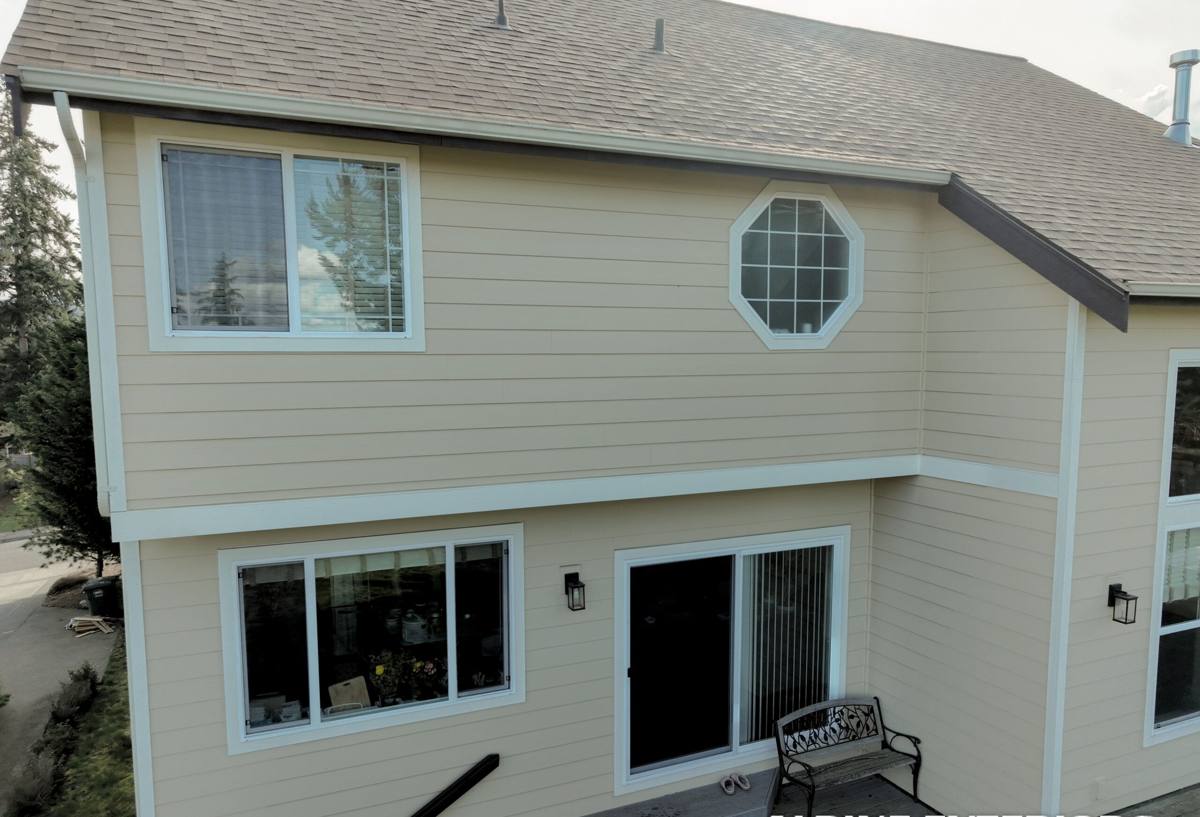
What Marietta's Climate Does to a Roof
Salt Air and Metal Fatigue
Homes near the water take in a steady, low-level dose of salt-laden moisture in the air. Over time this accelerates corrosion on exposed metal — flashing, fasteners, gutter hardware, and any exposed roof vents. A fastener or flashing piece that would last decades a few miles inland can start showing rust and pinholing years earlier here. This is one of the most common root causes we find behind leaks that homeowners assumed were shingle problems.
Driving Rain and Wind-Driven Water
Semiahmoo's weather regularly brings rain sideways, not straight down. That matters because a roof system can shed vertical rain just fine while still failing under wind-driven rain, which pushes water uphill under shingles, around vents, and into any gap in flashing that wouldn't be a problem in calmer weather. Repairs that don't account for this — patch jobs that only address the visible leak point — tend to fail again the next time the wind picks up.
Moss Season
Whatcom County's moss season runs long, and Marietta's tree cover and shade patterns make it worse in spots. Moss holds moisture against the roof surface far longer than open air would, which softens shingles, lifts edges, and works its way under tabs and flashing over a season or two. Left alone, a moss mat doesn't just look bad — it actively creates the conditions for a leak.
Common Roof Repair Issues We Find in Marietta
- Flashing failure around chimneys, skylights, and roof-to-wall transitions, often accelerated by salt-air corrosion on the metal itself
- Moss-related shingle lift along north-facing slopes and shaded roof sections that stay damp longer
- Wind-driven leaks at valleys and vents where water gets pushed uphill during storms instead of just running off
- Corroded fasteners and nail pops from repeated wet-dry cycling combined with salt exposure
- Clogged or sagging gutters that back water up under the roof edge during heavy rain events
- Soft or deteriorated decking discovered only once a leak has been active for a while, usually near a failed flashing point
What a Correct Repair Actually Involves
A roof repair that holds up in this climate is more than sealing the spot where water is currently showing up inside the house. Water rarely enters exactly where it appears on a ceiling — it travels along decking, framing, and underlayment before finding a way in. A repair done right starts with tracing the leak back to its actual source, not just patching the visible symptom.
Diagnosis Before Repair
We look at the roof from both outside and, where accessible, from the attic or interior side, to confirm where water is actually entering versus where it's showing up. This matters especially with wind-driven rain, where the entry point can be a foot or more away from the interior stain.
Addressing the Real Cause
If the underlying issue is corroded flashing, we replace the flashing — not just caulk over it. If moss has lifted shingles, we remove the moss, assess the shingles underneath for damage, and replace what's compromised rather than gluing lifted tabs back down over a soft or damaged surface. Caulk and sealant have their place, but they are not a substitute for replacing failed material; used as a shortcut, they tend to fail again within a season or two, especially with driving rain testing every seam.
Matching Materials and Methods
We use fasteners and flashing appropriate for salt-air exposure and install them the way manufacturers actually specify — correct nailing patterns, proper flashing laps, and underlayment details that account for wind-driven water. A repair that looks fine but skips these details is the kind that leaks again in a year.
How Our Roof Repair Process Works
- Inspection and estimate. We walk the roof, check attic access where possible, and identify the actual source of the problem — not just the symptom you called about.
- Clear written scope. You get a plain explanation of what's wrong, what we recommend fixing, and why — including what happens if it's left alone.
- The repair itself. We remove and replace damaged materials rather than layering patches over problems, using flashing, fasteners, and underlayment suited to this specific climate.
- Cleanup and check. We clear moss, debris, and old material from the work area and check surrounding sections for related wear before we call the job done.
- Follow-up if needed. If a repair reveals a broader issue — deteriorated decking, a roof nearing the end of its useful life — we'll tell you plainly instead of just re-patching around it.
Repair vs. Replacement: How We Help You Decide
Not every roof problem in Marietta calls for a full replacement, and not every leak can be permanently solved with a patch. The table below covers the general factors that tend to point one direction or the other — every roof is different, and this is exactly the kind of judgment call worth having someone look at in person rather than guessing from a list.
| Factor | Usually points to repair | Usually points to replacement |
|---|---|---|
| Age of roof | Under roughly 15 years, otherwise sound | At or beyond expected service life for the material |
| Extent of damage | Isolated to one section, flashing point, or valley | Widespread shingle deterioration or multiple failure points |
| Decking condition | Solid, no soft spots found | Soft, delaminated, or repeatedly wet decking |
| Moss/algae history | Recent, surface-level, not yet lifting shingles broadly | Long-term moss growth with widespread shingle lift |
| Leak history | First occurrence or single recurring point | Repeated leaks in different spots over time |
Gutters, Ventilation, and Why They Matter to a Repair
A roof repair in Marietta rarely happens in isolation from the rest of the roof system. Gutters that are undersized, clogged, or sagging push water back up under roof edges during heavy rain, undermining a repair even if the flashing work itself is perfect. Similarly, poor attic ventilation traps moisture underneath the roof deck, which speeds up the very deterioration that leads to leaks in the first place — a particularly relevant issue given how much of the year this area spends damp. When we repair a roof, we take a quick look at gutters and ventilation as part of the visit, because ignoring them can undo otherwise good repair work within a season.
Maintenance That Extends the Life of a Repair
Once a repair is done correctly, a homeowner's own upkeep does most of the work of keeping it that way. This is especially true through a Whatcom County moss season and the wet months that follow.
- Clear moss and debris from the roof surface at least once during moss season, more often under heavy tree cover
- Keep gutters clear so water has somewhere to go during driving rain events
- Have flashing points — chimneys, vents, skylights — checked periodically, since salt-air corrosion is gradual and easy to miss until it fails
- Address small leaks quickly; a repair that waits tends to grow into a decking replacement
- Trim back overhanging branches that keep sections of roof shaded and damp longer than they should be
Why Hire a Crew That Already Works Marietta
Roof repair is one of those jobs where local, hands-on experience actually changes the outcome. A crew that has already repaired roofs throughout Semiahmoo and the surrounding Whatcom County area knows which flashing details tend to fail first in salt air, how bad a given stretch's moss problem typically gets, and what wind-driven rain does to roofs facing certain directions. That's not something you get from a general contractor working the area for the first time. It shows up in fewer repeat callbacks, faster accurate diagnosis, and material choices that are already suited to the conditions instead of generic defaults.
It also matters for the honest parts of the conversation — telling you plainly when a repair makes sense versus when you're better off planning for a replacement down the road, without either downplaying a real problem or pushing work you don't need.
Get a Straightforward Look at Your Roof
If you're dealing with a leak, moss buildup, or damaged flashing on a Marietta roof, we're happy to come take a direct look and give you an honest read on what it actually needs. Estimates are free, there's no pressure attached, and you'll get a clear explanation of the problem and the options — use the form below to get started.