 Semiahmoo Siding
 Board & Batten Siding for Lynden Homes
Board and batten is one of the most requested siding profiles we install in Lynden, and for good reason. The vertical lines suit the farmhouse, craftsman, and modern-barn styles common on properties throughout this part of Whatcom County, and the deep shadow lines the battens create give a home real dimension instead of a flat wall of siding. But the look is only half the story. Out here, board and batten also has to hold up to salt-tinged wind off the Strait of Georgia, long stretches of driving rain, and a moss season that can run most of the year on shaded elevations. We install board and batten exclusively in James Hardie fiber cement, and this page covers what that means specifically for a Lynden installation — not board and batten in general, but board and batten built for this climate.
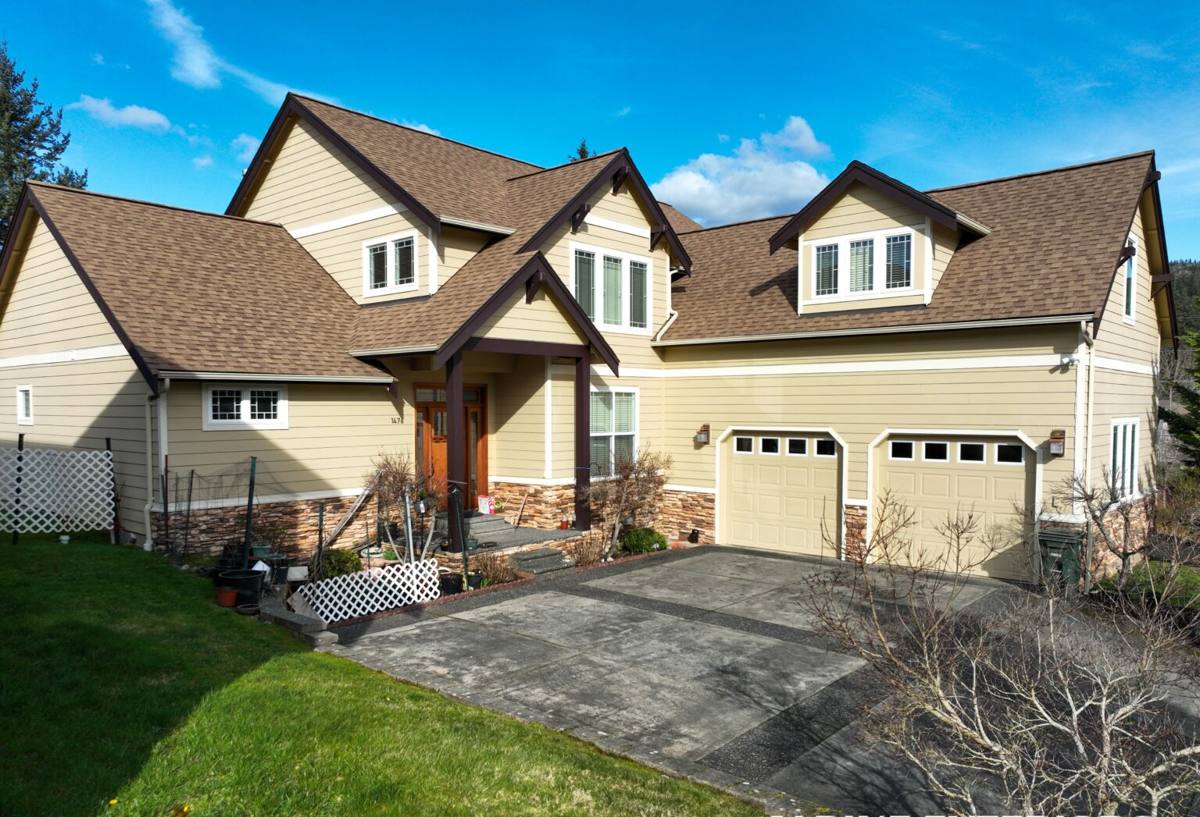
Why the Local Climate Changes the Job
A siding crew working in a dry inland climate and a crew working in Whatcom County are not solving the same problem, even if they're installing the same product. Lynden sits close enough to the water that homes regularly deal with salt-laden air, which accelerates corrosion on fasteners, flashing, and any exposed metal trim. Add in driving rain that comes sideways during winter storms, and every horizontal joint, seam, and batten reveal becomes a potential water entry point if it isn't detailed correctly. Then there's moss — on north-facing walls, under eaves, and anywhere airflow is limited, organic growth is a near-constant battle. Board and batten's vertical battens create more joints and more shadow lines than a flat lap profile, which means more places for water to find a way in and more surface area for moss to take hold if the wrong material is used underneath.
What This Means in Practice
It means fastener selection, flashing details, and drainage planes aren't optional upgrades — they're the difference between board and batten that looks good for two years and board and batten that looks good for two decades. It also means the material itself matters. Wood-based battens absorb moisture, swell, and eventually rot or invite moss growth at the base. That's the core reason we don't install wood, primed spruce, or vinyl board and batten systems in this region — they simply don't hold up the way this climate demands.
Why We Install Only James Hardie for This Profile
James Hardie's fiber cement board and batten system is engineered from a cement, sand, and cellulose fiber composite that doesn't absorb water the way wood does and won't warp, crack, or rot from repeated wet-dry cycles. It's non-combustible, which matters in any wildfire-adjacent conversation, and it holds paint and factory finish far longer than wood substrates because it isn't fighting moisture movement underneath the coating. For a coastal-influenced climate like Lynden's, that stability is the whole reason the product exists in this category.
ColorPlus Finish and Moss Resistance
Hardie's ColorPlus factory finish is baked on under controlled conditions, which gives it better adhesion and UV resistance than field-applied paint, and it holds up better against the mildew and algae growth that shaded, damp walls in this area are prone to. It doesn't make a wall moss-proof — nothing does in a climate this wet — but a properly finished, properly ventilated fiber cement wall sheds and resists organic growth far better than bare wood or a product that's constantly re-absorbing moisture.
HZ5 Engineering
James Hardie engineers its products by climate zone, and Whatcom County falls into the HZ5 category built for regions with significant moisture exposure and freeze-thaw cycling. That's not a marketing detail — it affects the product's moisture management properties and is part of why we don't substitute in a generic or lower-spec version of fiber cement for jobs in this area.
What a Correct Board & Batten Installation Involves
Board and batten looks simple from the street — vertical boards, battens over the seams — but the installation has more steps than a standard lap job, and skipping any of them is where problems start.
The Drainage Plane Comes First
Before any siding goes up, the wall needs a correctly lapped weather-resistive barrier and, in most cases, a rainscreen or furring system that creates an air gap behind the panels. That gap lets any moisture that does get past the siding drain and dry out instead of sitting against the sheathing. On a home exposed to driving rain off the water, this step is not optional.
Panel Layout and Fastening
Vertical panels get installed first, with attention to consistent reveal spacing and correct fastener placement so the battens land exactly where they need to for both structural attachment and appearance. We use fasteners rated for the coastal exposure this area sees, since the wrong fastener corrodes and stains the siding long before the panel itself fails.
Flashing and Joint Details
Every horizontal joint, window head, and transition point gets flashed to shed water outward, not trap it behind the siding. Batten placement over vertical seams isn't just cosmetic — it's the primary water-shedding detail in the whole system, and it has to be installed to manufacturer spec, not eyeballed.
Caulking and Sealant
James Hardie specifies particular sealant types and locations, and using the wrong sealant — or over-caulking in a way that traps moisture instead of letting it drain — is a common mistake we see when correcting other contractors' work.
Board & Batten vs. Other Siding Profiles for Lynden Properties
| Factor | Board & Batten (Hardie) | Lap Siding (Hardie) | Wood/Vinyl Board & Batten |
|---|---|---|---|
| Moisture resistance | Strong, with correct rainscreen detailing | Strong, fewer vertical joints | Weak to moderate — prone to swelling or heat distortion |
| Moss/algae resistance | Good with ColorPlus finish | Good with ColorPlus finish | Poor to moderate; wood especially |
| Fastener corrosion risk near salt air | Low with correct fastener spec | Low with correct fastener spec | Moderate to high on wood; vinyl can warp near heat sources |
| Style fit for farmhouse/craftsman homes | Excellent | Good, more traditional look | Varies by material condition over time |
| Long-term maintenance | Low | Low | Higher — repainting, caulk renewal, rot checks |
Board and batten and horizontal lap are both good choices in Hardie fiber cement — the decision usually comes down to the style of the home and which elevations get the most weather exposure. We'll walk through that with you during the estimate rather than push one profile by default.
Our Process for a Lynden Board & Batten Project
1. On-Site Assessment
We look at every elevation, note which walls take the most direct rain and wind, check existing sheathing and moisture barrier condition, and identify any areas with a moss or algae history. This shapes the rainscreen and flashing plan before we ever quote the job.
2. Product and Layout Plan
We confirm panel and batten spacing, trim details, and color in James Hardie's product line, matched to the home's style and to what performs best on this site's exposure.
3. Removal and Prep
Old siding comes off, sheathing gets inspected for hidden rot or water damage — common on homes that have dealt with years of driving rain — and any damaged material is addressed before new siding goes up, not covered over.
4. Weather Barrier and Rainscreen Installation
This is the step that determines how the wall performs for the next 30-plus years, and we don't rush it.
5. Panel and Batten Installation
Installed to James Hardie's fastening and flashing specifications, with attention to consistent reveals and clean batten alignment.
6. Final Inspection and Walkthrough
We walk the finished job with you, checking every elevation and joint before calling it done.
What to Ask Any Contractor Before Hiring for Board & Batten
- Do they install a rainscreen or air gap behind the panels, or nail directly to the weather barrier?
- What fastener type do they use, and is it rated for coastal or high-moisture exposure?
- Do they follow James Hardie's published installation instructions, including climate zone spec?
- Will they inspect and address sheathing condition before installing new siding, not just over it?
- Can they explain their flashing plan for horizontal joints and window/door transitions?
- Do they carry manufacturer certification or training specific to Hardie fiber cement installation?
Why Local Experience Matters for This Job
Board and batten installed to a generic spec sheet, without accounting for what a specific wall in Whatcom County actually faces, tends to fail in predictable ways — moss creeping in at shaded battens, fastener rust bleeding through the finish, or joints that were fine in a dry climate but let water in here. A crew that already works in Lynden and the surrounding Semiahmoo area knows which elevations on a typical property take the worst weather, how much rainscreen gap is actually needed for this level of rainfall, and where moss tends to establish first. That local pattern recognition is hard to replace with a manual, and it's the reason experience in this specific region matters as much as experience with the product itself.
Maintenance After Installation
James Hardie board and batten is low-maintenance, not no-maintenance. In this climate, we recommend a periodic rinse-down of shaded or north-facing walls to keep moss and algae from establishing, a yearly visual check of caulking at trim and joints, and prompt attention if you ever notice a soft spot, discoloration, or staining below a joint. Caught early, these are minor fixes. Left alone, they can point to a flashing or drainage issue worth addressing before it spreads.
If you're considering board and batten siding for a home in Lynden, we're happy to walk the property, look at what each elevation is actually dealing with, and put together a straightforward, no-pressure estimate. Use the form below to get started.