 Semiahmoo Siding
 Windows Built for Laurel's Coastal Climate
Laurel sits close enough to Semiahmoo Bay and the Strait of Georgia that homes here take on a specific kind of weather load: salt-laden air moving in off the water, long stretches of driving rain through fall and winter, and the low, damp gray months that keep moss and mildew active on anything that stays wet too long. Windows are one of the first places that weather shows up. A window that's a poor fit for this climate doesn't usually fail all at once — it fails slowly, through fogged glass, soft trim, drafts you can feel on a windy night, and frames that discolor years before they should.
We install windows in Laurel and the surrounding Semiahmoo area with that reality in mind. That means paying close attention to flashing and water management, choosing materials that hold up to salt exposure, and sealing details correctly the first time — because a callback for a leaking window six months after install is a lot more expensive, for everyone, than doing the flashing right up front.
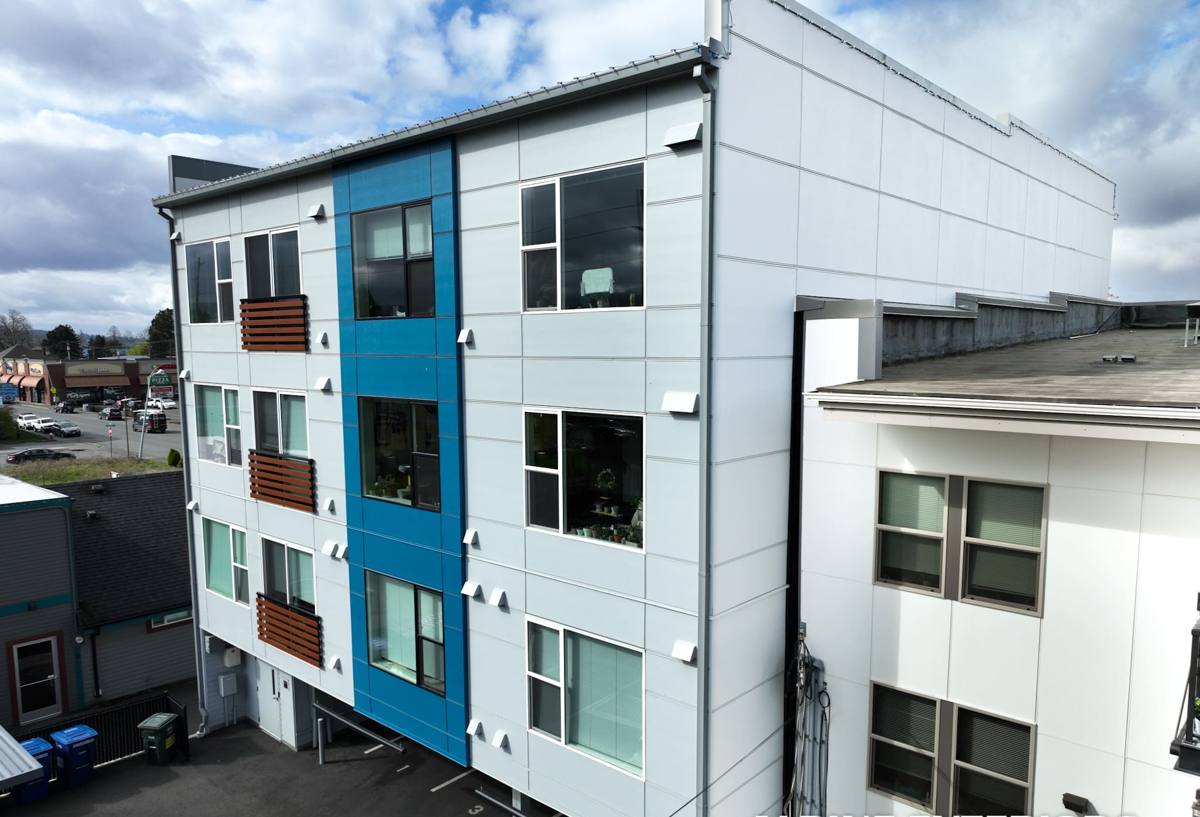
What Whatcom County Weather Actually Does to Windows
Salt Air and Metal Components
Homes closer to the water deal with airborne salt that accelerates corrosion on hardware, screens, and unprotected metal trim. Cheap fasteners and low-grade hardware corrode faster here than they would twenty miles inland. It's a small detail that matters over a ten- or twenty-year window lifespan.
Driving Rain and Wind-Driven Water
Storms off the Strait don't just fall straight down — wind pushes rain sideways into wall assemblies and window openings. That means flashing and sealant details around a window opening have to handle water that's actively being driven upward and sideways, not just dripping down a wall. This is the single biggest factor in whether a window installation holds up or eventually leaks.
Moss, Mildew, and Prolonged Dampness
Whatcom County's long wet season keeps exterior surfaces damp for extended periods. Wood sills and trim that aren't properly primed, sealed, or flashed become a place for moss and mildew to take hold, which traps moisture against the material and speeds up rot. Window installation isn't just about the window unit itself — it's about how the surrounding trim and sill are detailed to shed water and dry out between storms.
What a Correct Window Installation Involves
A window installation is really a water-management job with a window in the middle of it. The steps that matter most, in rough order:
- Opening inspection. Before anything new goes in, we check the existing rough opening for hidden rot, soft framing, or prior water damage — common in older coastal homes where a window has been leaking slowly for years.
- Removal without damage. Old windows and trim come out carefully to avoid tearing the surrounding siding or sheathing more than necessary.
- Flashing and weather barrier integration. This is the step that determines whether the window leaks in five years. Flashing tape and pan flashing need to integrate correctly with the house wrap or weather-resistive barrier so water is directed out and down, never trapped behind the window.
- Leveling, shimming, and fastening. A window that's out of square binds, doesn't lock properly, and stresses the seals over time.
- Insulation and air sealing around the frame. Gaps around the window are a major source of drafts and energy loss if left unsealed or over-packed with the wrong material.
- Exterior trim and sealant. Sill pans, trim, and sealant beads need to be detailed to shed water, not just look finished.
- Interior finish and final check. Operation, locks, and weatherstripping get checked before we call the job done.
Skipping or rushing any one of these steps is how a window installation goes wrong — and in a climate like this, the mistakes show up faster than they would somewhere dry.
Choosing the Right Window for a Laurel Home
There's no single "best" window material — the right choice depends on the home's exposure, budget, and how much upkeep the homeowner wants to do. We walk through the honest trade-offs rather than pushing one product line.
| Material | How It Handles This Climate | Maintenance |
|---|---|---|
| Vinyl | Good moisture and salt resistance; won't rot or corrode; performance varies a lot by manufacturer quality | Low — occasional cleaning |
| Fiberglass | Very stable in temperature swings and damp conditions; strong option for coastal exposure | Low |
| Wood (clad or unclad) | Classic look, but unclad wood is the most vulnerable to this area's moisture and moss cycle unless finishes are kept up | High — regular refinishing needed |
| Aluminum | Durable but prone to condensation and corrosion near salt air unless it's a marine-grade or thermally broken product | Moderate |
For homes in Laurel specifically, we lean toward vinyl or fiberglass options for most installations because they hold up to salt air and repeated wet-dry cycles with the least amount of long-term upkeep. Where a homeowner wants a wood look, clad options give that appearance while keeping the exposed exterior surface low-maintenance.
Glass and Energy Performance
Double-pane, low-E glass is standard for this region — it cuts down on heat loss during the cold, damp months and helps control condensation on the interior glass surface, which is a common complaint in older single-pane or poorly sealed windows during winter.
Signs a Laurel Home Needs New Windows
- Fogging or moisture trapped between panes (a failed seal on double-pane glass)
- Visible rot, softness, or discoloration in the wood sill or trim
- Drafts you can feel near the frame on windy days
- Windows that stick, won't stay open, or won't lock properly
- Moss or mildew growth building up on the sill or lower trim
- Condensation forming consistently on the inside of the glass in winter
- Noticeably higher heating costs compared to similar homes nearby
Any one of these can be a minor fix. Several at once, especially rot or persistent moisture, usually means the window and its flashing have been letting water in for a while and it's worth a proper inspection before things get worse.
Our Process for Laurel Window Projects
We keep the process straightforward because homeowners deserve to know what's happening at each stage:
- On-site assessment. We look at the actual openings, note any existing damage, and talk through what the home needs — not a generic sales pitch.
- Straightforward estimate. Clear scope, clear pricing, no pressure to decide on the spot.
- Scheduling around the weather. Window openings are exposed to the elements mid-install, so we plan around forecasts rather than rushing into a storm window.
- Installation with proper flashing and sealing. The details described above, done in order, every time.
- Cleanup and final walkthrough. We check operation, locks, and appearance with the homeowner before considering the job finished.
Why Local Experience in Semiahmoo and Laurel Matters
A window installer who mostly works dry inland climates can do a technically fine job and still miss the details that matter here — how far to run flashing given wind-driven rain off the Strait, how salt air changes hardware choices, or how much ventilation a sill detail needs to keep moss from taking hold. Crews that work Whatcom County regularly, including Semiahmoo and Laurel, have already seen what fails in this exact climate and build around it instead of learning the hard way on someone's house.
Local experience also means knowing what to expect from this area's older housing stock — where prior repairs were likely done, which materials tend to show wear first, and how to sequence a window replacement so the home isn't left exposed to a Pacific storm mid-project.
Cost Factors for Window Installation in Laurel
| Factor | How It Affects the Job |
|---|---|
| Window material and glass package | Vinyl and fiberglass are generally more budget-friendly than clad wood; upgraded low-E glass adds cost but improves performance |
| Number and size of openings | More openings and larger units mean more labor and material |
| Existing damage | Rot or soft framing found during removal adds repair work before the new window can go in |
| Access and home height | Second-story or hard-to-reach windows take more time and equipment |
| Trim and finish work | Matching existing trim profiles or upgrading exterior trim adds to the scope |
We give real numbers during the on-site estimate rather than a rough guess over the phone, since the condition of the existing opening usually has as much impact on cost as the window itself.
Get a Straightforward Estimate
If windows in your Laurel home are showing drafts, moisture, rot, or just age, it's worth having someone take a look before small issues turn into bigger repairs. Reach out for a free, no-pressure estimate — we'll walk the openings, tell you honestly what we see, and lay out real options for your home and budget using the form below.