 Semiahmoo Siding
 Cherry Point Sits Right Where Puget Sound Weather Gets Serious
Cherry Point is one of the more exposed pockets of Whatcom County. Homes here sit close enough to the water that salt-laden air is a daily fact of life, not an occasional nuisance. Add the driving, wind-pushed rain that rolls in off the Strait of Georgia through fall and winter, and a moss and algae season that can stretch most of the year in shaded or north-facing spots, and you have a climate that is genuinely hard on exterior building materials. Siding that performs fine in a drier inland town can start showing problems within a few years out here.
We install James Hardie fiber cement siding exclusively, and pages like this one exist because the "why" behind that choice is different in every microclimate we work in. In Cherry Point specifically, the combination of salt exposure, sustained moisture, and moss growth is the whole ballgame. Everything below is written with that combination in mind, not generic siding advice.
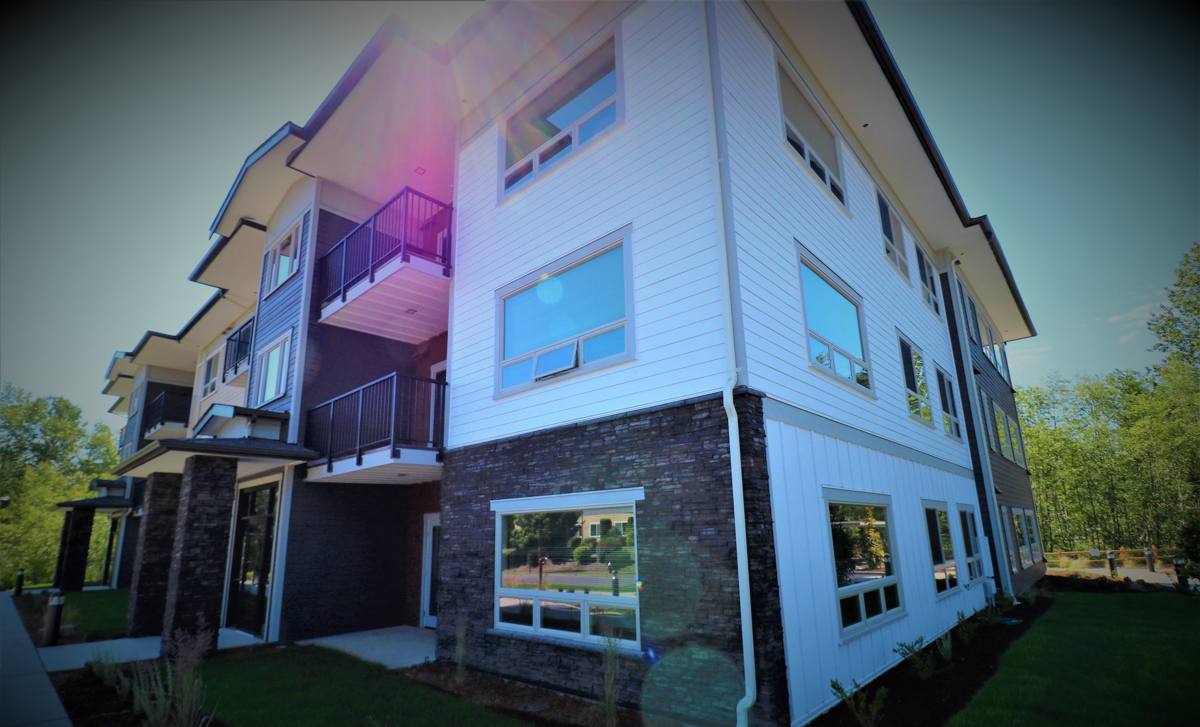
What Salt Air, Rain, and Moss Actually Do to a House
Salt Air
Airborne salt is corrosive to metal fasteners, flashing, and trim, and it accelerates the breakdown of paint films and coatings on many siding materials. On products that rely on a surface-applied finish, salt exposure combined with UV and moisture cycling tends to chalk, fade, and crack coatings faster than inland exposure would.
Driving Rain
Wind-driven rain doesn't just wet a wall surface — it pushes water sideways and upward, testing every seam, joint, and penetration in a siding system. Homes on more open, wind-exposed lots near the water take a harder hit than sheltered inland properties, and that means water-resistive barrier detailing, flashing, and caulking joints matter more here than in a calmer neighborhood.
Moss and Algae
Extended damp periods, tree cover, and shaded north and east walls create ideal conditions for moss and algae growth on exterior surfaces. Beyond appearance, sustained organic growth holds moisture against the siding surface longer, which is a problem for any material that is sensitive to prolonged wetting.
Why We Only Install James Hardie Siding Here
James Hardie's fiber cement siding is engineered specifically to resist the kind of punishment Cherry Point delivers:
- Non-combustible core — fiber cement doesn't feed a fire the way wood-based products can, which matters for insurance and peace of mind alike.
- Climate-engineered HZ product lines — Hardie manufactures regional formulations built for moisture and freeze-thaw exposure common to the Pacific Northwest, rather than a one-size-fits-all board.
- ColorPlus factory finish — a baked-on finish applied under controlled factory conditions holds up to UV and salt exposure noticeably better than field-applied paint, and it's backed by its own finish warranty.
- Dimensional stability — fiber cement doesn't swell, warp, or rot the way wood-based sidings can when they stay damp for long stretches, which is exactly the condition Cherry Point produces most of the year.
We don't install vinyl, LP SmartSide, Cemplank, Allura, primed spruce, or cedar. Each of those products has genuine strengths in the right application, but none of them hold up to salt air and sustained moisture exposure as consistently as properly installed Hardie fiber cement — and in a climate like this one, that consistency is what protects the investment.
How Hardie Compares in This Specific Climate
| Factor | James Hardie Fiber Cement | Vinyl | Wood-Based (LP/Cedar) |
|---|---|---|---|
| Salt air resistance | Strong — factory finish holds up well | Moderate — can chalk and become brittle | Weak to moderate — coatings degrade faster |
| Moisture/rot resistance | Excellent — cement core doesn't rot | Good (doesn't rot, but seams can trap water) | Poor to moderate — prone to swelling, rot at joints |
| Moss/algae surface hold | Low — smooth factory finish sheds growth better | Low to moderate | Higher — textured, absorbent surfaces hold moisture and growth |
| Fire resistance | Non-combustible | Melts/deforms under heat | Combustible |
| Finish longevity | Factory-baked, long warranty | Color molded in, can fade | Field-applied paint, needs recoating |
What a Correct Cherry Point Installation Actually Involves
Fiber cement is only as good as the installation behind it. In a high-exposure area like this, the details that get skipped on an easy inland job are the ones that cause callbacks two or three winters later. A correct install includes:
Water Management First
A properly lapped and sealed weather-resistive barrier goes on before a single board of siding. Every window, door, and penetration gets flashed so water is directed out and down, never trapped behind the cladding.
Correct Clearances
Hardie's own installation instructions call for minimum clearances from grade, roofing, decks, and other abutting surfaces. Skipping these clearances is one of the most common causes of moisture problems on fiber cement — and in a wet climate like Cherry Point's, there's no margin for shortcuts here.
Fastener Pattern and Material
Corrosion-resistant fasteners, placed and spaced to Hardie specification, keep boards secure without splitting or over-driving. Given the salt air, fastener quality is not a place to save money.
Joint Treatment
Butt joints and trim intersections get properly caulked or flashed per manufacturer detail — every joint is a potential entry point for wind-driven rain if it's rushed.
Factory-Finished Cuts
Cut edges get sealed with touch-up product so raw fiber cement isn't left exposed to the weather, protecting both the board and the finish warranty.
Our Process for Cherry Point Homes
- On-site assessment — we look at wall exposure, existing moisture damage, tree cover, and how much of the home faces prevailing wind and rain.
- Product and color selection — matching the right Hardie line and ColorPlus finish to the home's exposure and the owner's style.
- Tear-off and substrate check — old siding comes off and sheathing gets inspected for hidden rot or water damage before anything new goes on.
- Weather barrier and flashing — the water management layer goes in correctly the first time, since it's invisible once siding is up.
- Installation to spec — clearances, fasteners, and joints installed to Hardie's published requirements, not shortcuts.
- Final walkthrough — checking caulking, trim, and finish before we call the job done.
Living With Fiber Cement Siding in a Moss-Prone Climate
Even the right product benefits from basic upkeep in this environment. James Hardie siding is low-maintenance compared to wood or vinyl, but "low-maintenance" isn't "no-maintenance" in a place with this much moisture and shade.
- Rinse siding periodically with a garden hose or low-pressure wash to keep salt residue and organic buildup from accumulating, especially on shaded north and east walls.
- Trim back tree branches and vegetation that keep siding shaded and damp longer than necessary.
- Inspect caulking around windows, doors, and trim yearly — caulk is the one component that ages faster than the siding itself and is cheap to renew before it fails.
- Watch gutters and downspouts for overflow that can send extra water directly onto wall sections.
- Address any moss or algae growth early with a gentle cleaning rather than letting it establish and hold moisture against the surface.
What Drives Cost on a Job Like This
Every Cherry Point home is different, so exact numbers depend on the specifics of the house. The factors below are what actually move the estimate:
| Cost Factor | Why It Matters |
|---|---|
| Home size and wall complexity | More corners, gables, and trim details mean more labor and material cuts |
| Existing substrate condition | Hidden rot or water damage found during tear-off adds repair scope |
| Hardie product line chosen | Lap siding, shingle-style panels, and board-and-batten carry different material costs |
| Trim and accessory scope | Corner boards, window trim, and fascia work add to the total |
| Site access and exposure | Waterfront or hard-to-access lots can affect staging and labor time |
Why Hiring a Crew That Already Works Cherry Point Matters
Fiber cement installation is fairly forgiving on an easy, sheltered lot. It's far less forgiving on an exposed waterfront property in Whatcom County, where the wrong clearance or a skipped flashing detail shows up as a problem within a couple of wet seasons instead of a couple of decades. A crew that regularly works this area already understands how wind direction, salt exposure, and shade patterns vary from one Cherry Point lot to the next, and adjusts detailing accordingly rather than applying a generic install approach everywhere.
That local familiarity, paired with a manufacturer-trained installation process and a product built for this exact climate, is what keeps a siding job looking and performing well well past year one.
Get a Straightforward Estimate
If you're planning a siding project in Cherry Point or elsewhere near Semiahmoo, we're happy to take a look at your home and walk you through what James Hardie siding would involve for your specific exposure and layout. The estimate is free, there's no pressure, and you'll get a straight answer about what your home actually needs. Use the form below to get started.